

Many adults in the U.S. notice a shift after age 30. The same eating habits that once worked no longer give the same results. Fat loss becomes harder. Energy feels lower. And maintaining body weight takes more effort than it used to.
This change often feels confusing. People assume they are eating the wrong foods or not trying hard enough. Some respond by cutting fewer calories or skipping meals, hoping that eating less will fix the problem.
But the issue is not willpower.
For most people, the real reason is that metabolism changes over time. These changes are normal, gradual, and closely tied to how the body adapts as we get older.
Understanding why this happens helps explain why weight loss can feel slow, even when effort stays the same.
What Metabolism Really Means (In Simple Terms)
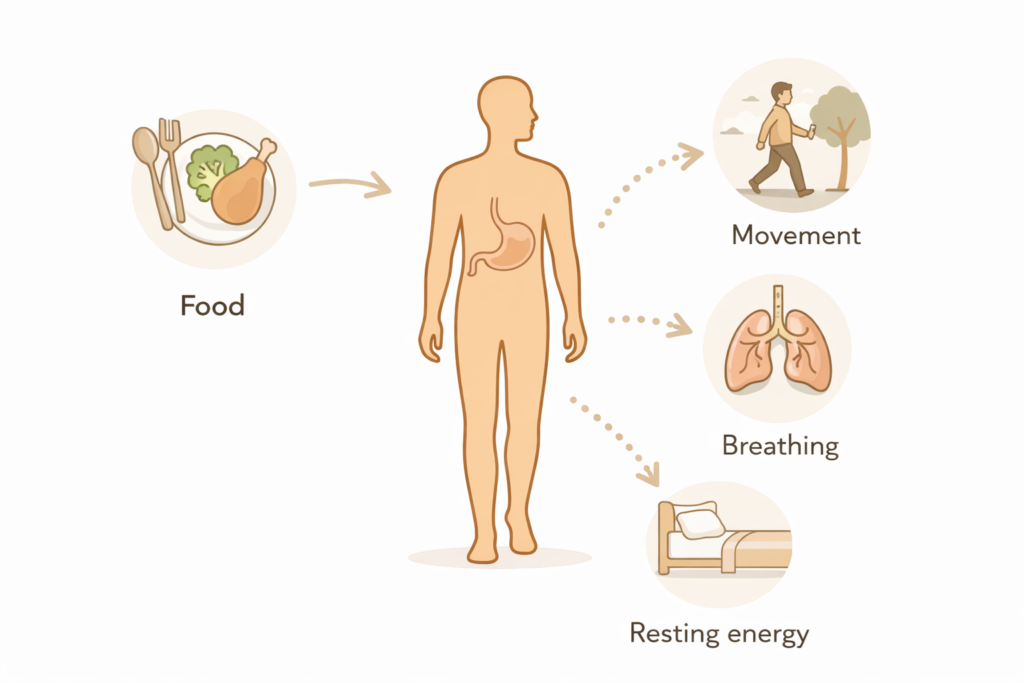
Your metabolism is the system your body uses to turn food into fuel. It powers movement, digestion, and vital functions such as breathing. It also determines how much energy your body uses while resting, often called the basal metabolic rate.
When metabolism works efficiently, the body uses energy in a balanced way. When it shifts, the body may use less fuel at rest and store more energy instead.
This doesn’t mean metabolism stops working. It means metabolic changes occur as part of normal aging.
According to sources often referenced by harvard health, these shifts are not sudden. Metabolism does slow gradually, starting earlier than most people expect.
Why Metabolism Slows Down as You Age
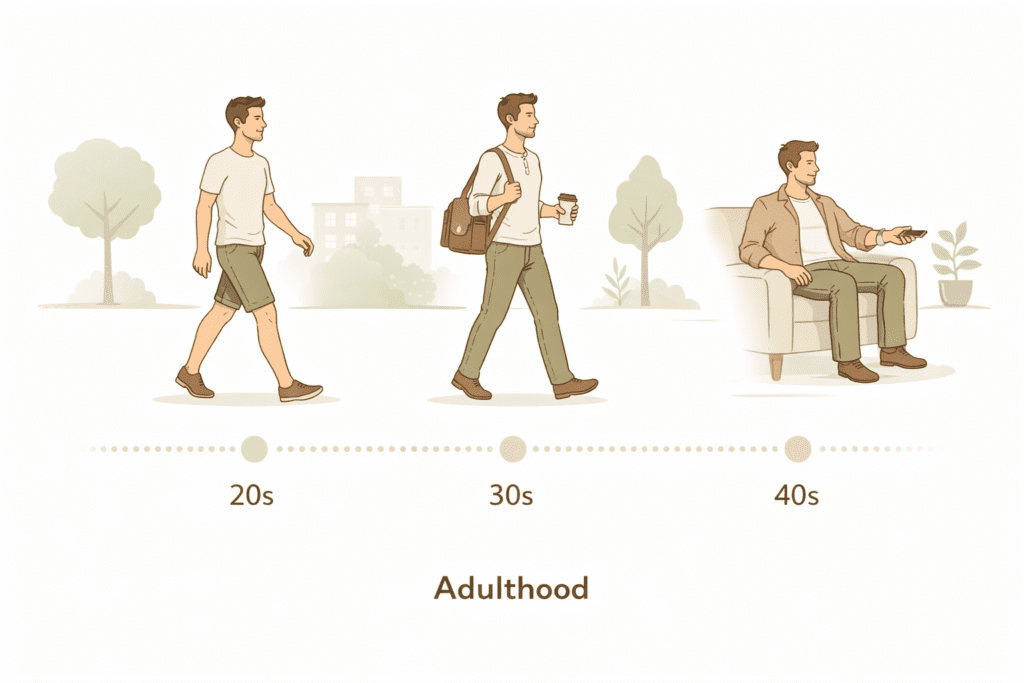
Many people think metabolism only slows at age 60, but that is not accurate. Research suggests that metabolism changes begin much earlier in life, including the 30s and age 40.
This happens for several reasons:
- The body may use less energy expenditure at rest
- Daily movement often decreases
- Muscle tissue gradually declines without support
This is why people say metabolism can slow down as you age, even if eating habits stay similar.
Muscle Mass and Metabolic Rate
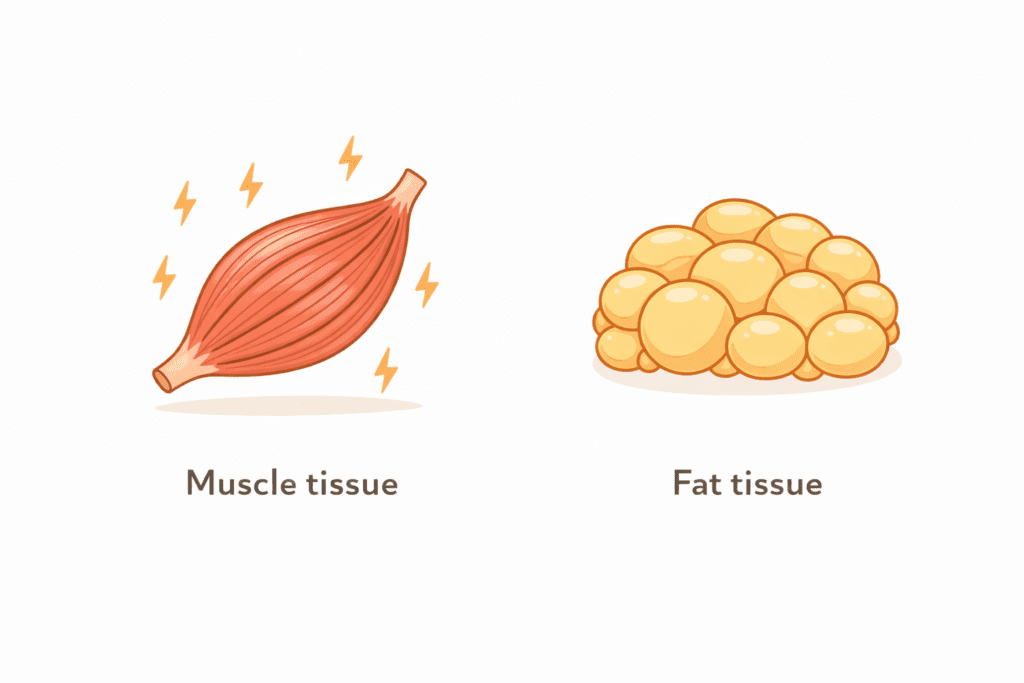
One of the biggest factors is muscle mass.
Muscle is active tissue. It needs fuel all day, even when you are not moving. In simple terms, muscle tissue burns more calories than fat.
As adults age, they may lose muscle over time. This loss of muscle mass can happen without obvious signs, especially if physical activity declines.
When muscle decreases:
- The metabolic rate drops
- The body burns fewer calories at rest
- Fat storage becomes easier
This process can lead to muscle loss, which affects body composition and long-term weight management.
That’s one reason fat loss feels harder to lose weight later in life.
Hormonal Changes Also Play a Role
Hormones influence how the body stores fat, builds muscle, and manages hunger.
As part of normal age-related change:
- Testosterone levels may decline in men
- Estrogen levels shift in women, affecting women’s health
These hormonal changes can influence where fat is stored and how efficiently the body turns food into energy.
Hormones also help regulate recovery, sleep, and muscle repair. When they shift, metabolism and weight often shift too.
This doesn’t mean weight gain is unavoidable. It means the body responds differently to the same habits.
Lifestyle Factors That Affect Energy Use

Modern life also affects metabolism.
Many adults experience:
- More stress
- Less sleep
- Less daily movement
Stress can disrupt your metabolism by changing hunger cues and recovery patterns. At the same time, reduced movement lowers daily energy expenditure.
Even if workouts stay the same, lower daily activity can reduce how many calories the body burns over time. This can also contribute to weight gain.
This combination explains why weight gain in your 30s is common, even without major diet changes.
Why Cutting Calories Alone Often Backfires
When people notice fat gain, they often eat less. While this seems logical, aggressive calorie cutting can work against the body.
When calories stay low for too long:
- The body adapts to conserve fuel
- The body uses energy more efficiently
- Fat loss may slow even more
This is why many experts now say don’t skimp on calories without considering muscle, sleep, and stress.
The goal is not to fight metabolism, but to support metabolic health in a realistic way.
Why Support Matters More Than Restriction After 30
By the time people reach their 30s, the body responds differently to stress, food, and recovery. The issue is not a lack of effort. It’s that metabolism may need support in different areas than it once did.
Instead of focusing only on calorie burn, many health professionals now look at why the body holds onto energy. Stress, cellular function, and blood sugar balance all may play a role in how efficiently the body uses fuel.
Below are three biological areas often discussed in metabolic health conversations, along with examples of wellness approaches that focus on each area.
1. Stress, Cortisol, and Metabolism Support (Nagano Tonic)
Stress is one of the most overlooked reasons metabolism can feel slow.
When stress stays high, the body releases cortisol. Cortisol is not harmful by itself, but when it stays elevated for long periods, it can signal the body to conserve energy. This response made sense much earlier in life, but today it can lead to weight gain, especially around the midsection.
Chronic stress can:
- Increase hunger signals
- Reduce recovery
- Shift how the body uses energy
Over time, this pattern can affect energy expenditure and make fat loss feel slow and frustrating.
Some wellness discussions around stress focus on calming routines, better sleep, and nutritional support aimed at cortisol balance. Nagano Tonic is often mentioned in this context because of its positioning around stress support rather than extreme calorie restriction.
Readers who want to explore how stress-focused support fits into a broader health routine can review more detailed information separately.
2. Cellular Energy and Mitochondria Function (Mitolyn)
Another key reason metabolism can feel different after 30 is how well cells produce energy.
Inside each cell are structures called mitochondria. These structures help convert nutrients into usable fuel. When cellular energy production declines, the body may feel more tired and less responsive to activity.
Lower cellular output can:
- Reduce energy expenditure
- Make exercise feel harder
- Affect how efficiently the body processes fuel
This doesn’t mean the body stops working. It means it may produce much energy less efficiently than before.
Some wellness approaches focus on supporting mitochondrial function as part of long-term metabolic health. Mitolyn is often discussed in this category due to its focus on cellular energy rather than appetite suppression.
Those interested in understanding how cellular energy support is positioned can explore a dedicated breakdown separately.
3. Blood Sugar Balance and Insulin Response (Ikaria Lean Belly Juice)
Blood sugar control plays a major role in how the body stores or releases energy.
When blood sugar spikes often, the body releases insulin to move glucose into cells. Over time, repeated spikes can affect how efficiently insulin works. This can influence body fat storage and make it harder to lose weight.
Blood sugar imbalance may:
- Increase cravings
- Affect mood and energy
- Change how the body uses fuel
Balanced meals that include whole grains, fiber, and consistent timing can help support steadier blood sugar. Some wellness products are discussed alongside this approach.
Ikaria Lean Belly Juice is commonly mentioned in conversations around blood sugar and insulin balance, especially in non-stimulant metabolic routines.
Readers who want a deeper explanation of how blood sugar support is framed can review more details in a focused guide.
Why These Areas Work Together
Stress, cellular energy, and blood sugar are connected. When one area is out of balance, it can affect others.
For example:
- Stress can disrupt blood sugar
- Low cellular energy can reduce activity
- Poor blood sugar control can affect hormones
These connections help explain why metabolism can feel slow metabolism after 30, even without major diet changes.
The goal is not to fix everything at once. It’s to understand which systems may need attention.
Why Timing, Muscle, and Sleep Matter More Than Ever
As adults move through midlife, metabolism is influenced not just by what they eat, but when they eat, how much muscle they maintain, and how well they recover.
Morning energy patterns, muscle preservation, and sleep quality all also play a role in how efficiently the body manages fuel. These factors are often overlooked, yet they strongly affect long-term metabolic stability.
Below are three additional biological areas that help explain why metabolism can feel less responsive after 30.
4. Morning Thermogenesis and Daily Energy Use (Java Burn)
The morning sets the tone for how the body handles energy throughout the day.
Thermogenesis refers to heat production, which is one way the body uses fuel. In the morning, this process can help support daily calorie burn and movement readiness.
As people get older, morning energy levels often decline. Skipped breakfasts, rushed routines, and stress can reduce early-day fuel usage. When this happens, the body uses energy less actively during the first half of the day.
Lower morning energy can:
- Reduce daily movement
- Affect motivation
- Lower total energy expenditure
Some wellness discussions focus on supporting morning routines that encourage gentle thermogenesis, hydration, and consistency. Java Burn is often mentioned in these conversations because of its positioning around morning use rather than appetite control.
Readers who want to understand how morning-focused metabolic routines are framed can explore that topic further through a dedicated review.
5. Protein Intake and Muscle Preservation (The Smoothie Diet)
Maintaining muscle becomes more important with age.
As discussed earlier, muscle mass supports a healthy metabolic rate because burns more calories at rest compared to fat tissue. Without enough protein, the body may gradually lose muscle, even if body weight stays the same.
Low protein intake can:
- Increase the risk of muscle loss
- Lower daily energy expenditure
- Affect strength and recovery
This is where consistent protein intake matters. Including lean protein at meals helps preserve existing muscle and supports new muscle development when combined with movement.
Some structured eating approaches emphasize smoothies as an easy way to support protein intake, especially for busy adults. The Smoothie Diet is often discussed in this context due to its focus on balanced meals rather than extreme restriction.
Those interested in how protein-focused routines are structured can review a detailed breakdown separately.
6. Sleep Quality and Hormonal Recovery (SleepLean)
Sleep is one of the most underestimated factors in metabolic health.
During sleep, the body repairs tissue, balances hormones, and restores energy systems. Poor sleep can interfere with hunger signals and stress regulation, which can disrupt your metabolism over time.
Inadequate sleep may:
- Increase cravings
- Affect insulin sensitivity
- Lower motivation for physical activity
Sleep also supports hormone balance, which becomes more important as hormonal changes occur with age. Quality rest helps protect overall health and long-term metabolic function.
Some wellness discussions focus on sleep support as part of a recovery-first approach. SleepLean is often mentioned in this context due to its positioning around nighttime recovery rather than stimulation.
Readers who want to understand how sleep-focused support fits into a routine can explore more detailed information separately.
Bringing It All Together: What Really Changes After 30
By now, one thing should be clear: metabolism does not suddenly stop working after 30. Instead, it responds differently to daily habits, stress, sleep, and muscle support.
As people move through adulthood, several factors come together:
- Metabolism naturally adapts with age
- Muscle becomes easier to lose without support
- Stress and sleep patterns affect recovery
- Daily movement often declines
These shifts help explain why metabolism may feel less responsive and why fat loss can feel slow even with effort.
This doesn’t mean progress is impossible. It means the approach needs to match how the body works now – not how it worked much earlier in life.
Why Consistency Matters More Than Intensity
One common mistake is trying to fix everything at once.
Extreme calorie cutting, overtraining, or chasing fast results can place more stress on the body. Over time, that stress can also slow progress and make weight gain more likely.
A steadier approach works better for long-term metabolic health:
- Regular meals instead of skipping
- Balanced routines instead of extremes
- Enough rest to support recovery
Simple habits repeated over time help the body adapt in a healthier way.
This is how many people work toward maintain your weight without constantly fighting their appetite or energy levels.
How Lifestyle Choices Support Metabolism Long Term
While supplements and structured programs are often discussed, lifestyle still forms the foundation.
Helpful habits include:
- Eating meals on a schedule
- Including whole grains and protein
- Staying active throughout the day
- Aiming for at least 150 minutes of movement per week
- Adding resistance training or lifting weights to preserve muscle
These habits support how the body uses fuel and help protect muscle mass, which is important because since muscle burns more calories, preserving it supports daily energy use.
Sleep also matters. Adults who get plenty of sleep often find it easier to manage hunger and recovery.
Together, these habits help keep your metabolism humming without pushing the body too hard.
About the Support Options Mentioned Earlier
Earlier sections mentioned wellness approaches tied to:
- Stress and cortisol
- Cellular energy
- Blood sugar balance
- Morning routines
- Protein intake
- Sleep quality
These examples were included to explain biological focus areas, not to push solutions. Everyone’s health journey looks different, and what fits one routine may not fit another.
If readers choose to explore any of those topics further, reviewing detailed, independent breakdowns can help them decide what aligns with their goals and overall health.
Final Verdict

So, why does metabolism slow down after 30?
Because the body changes – gradually, naturally, and predictably.
Muscle preservation, stress management, sleep, and daily movement all influence how the body handles energy. When those areas are supported consistently, many people find it easier to manage body fat, stabilize body weight, and feel more in control of their routine.
There is no single fix. But there is a smarter way forward.
Patience, balance, and consistency matter far more than restriction or quick fixes.
Frequently Asked Questions (FAQs)
Does metabolism slow for everyone after 30?
Not in the same way for everyone. Metabolism changes depend on muscle levels, activity, sleep, and lifestyle. Some people notice changes sooner, others later.
Is a slower metabolism the main reason for weight gain?
It can also contribute, but it’s rarely the only factor. Reduced movement, stress, and sleep patterns often also play a role.
Can exercise help increase metabolism?
Yes. Strength and movement help preserve muscle. Since muscle burns more calories than fat, this supports daily energy use.
Should I eat fewer calories as I age?
Not always. Many experts suggest balance instead of restriction. That’s why people often say don’t skimp on calories without considering muscle and recovery.
Is it harder to lose weight after 30?
For many adults, yes – it can feel harder to lose weight. That doesn’t mean it’s impossible. It just requires a more thoughtful approach.
Can metabolism be supported naturally?
Yes. Daily movement, protein intake, sleep, and stress care all help support metabolism naturally over time.
Bottom Line for SlimAuthority Readers
If your metabolism feels different after 30, you’re not imagining it – and you’re not alone.
Focus on habits you can repeat, routines that fit your life, and choices that support long-term health. When consistency leads the way, progress becomes more realistic and sustainable.
That’s the foundation SlimAuthority stands for.