

Many women in the U.S. notice something confusing after the age of 30. They’re eating the same meals. Portions haven’t changed. Their healthy diet still looks solid. Yet the numbers on the scale slowly creep up.
This can feel discouraging. Some women blame themselves. Others assume they need to eat less or work out harder. But in most cases, neither of those ideas tells the full story.
Here’s what I noticed while researching this topic: most explanations online oversimplify the issue. They treat weight gain as a motivation problem, not a biological shift. That’s misleading-and honestly, not very helpful.
The truth is, women over 30 gain weight on the same diet largely because the body changes with age. These changes affect metabolism, hormones, muscle, and daily energy use. None of this means something is “wrong” with you.
Let’s keep it simple and walk through what’s actually happening.
Why the Same Diet Stops Working After 30
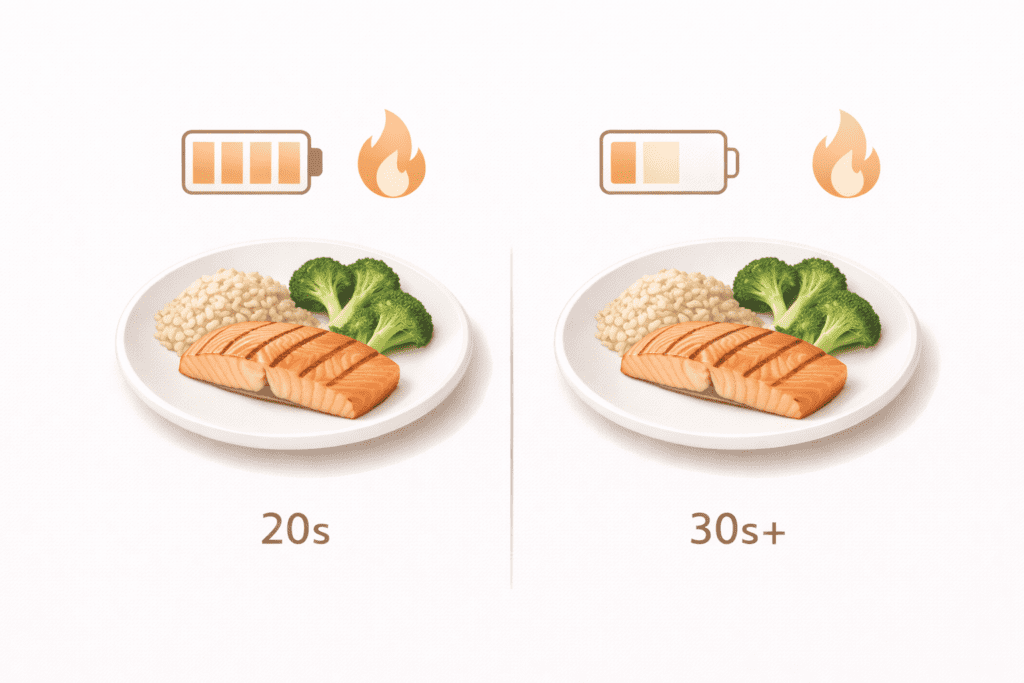
When women are younger, the body tends to burn energy more easily. In the teens and 20s, it’s common to recover quickly from missed sleep, stress, or inconsistent meals.
After the 30s, that flexibility starts to fade.
The metabolic rate doesn’t suddenly crash, but metabolism slows little by little. That small shift matters more than most people realize. Over time, the body uses fewer calories at rest. So even familiar meals can now lead to weight gain.
This doesn’t always show up as rapid changes. Often, it’s gradual-an extra pound here, another there. Eventually, it becomes noticeable.
Hormonal Changes Matter More Than Calories
One major reason women experience weight gain as they age is shifting hormones.
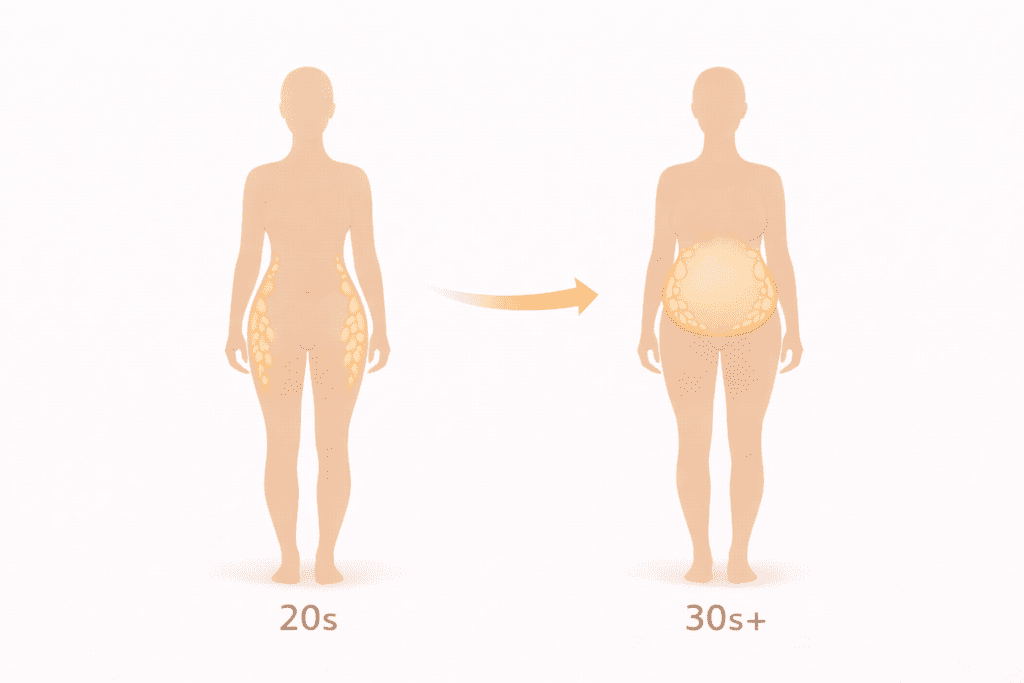
Levels of estrogen begin to fluctuate earlier than many expect-sometimes well before menopause. These hormonal changes affect how the body stores fat, where it settles, and how easily it moves.
Fat storage patterns also change. Instead of spreading evenly, the body may push fat around the midsection or deeper as visceral fat, which behaves differently than surface fat.
This shift doesn’t always cause sudden gain. But over time, it can cause weight gain even with consistent eating habits.
Muscle Loss and a Slower Burn
Another piece people overlook is muscle mass.
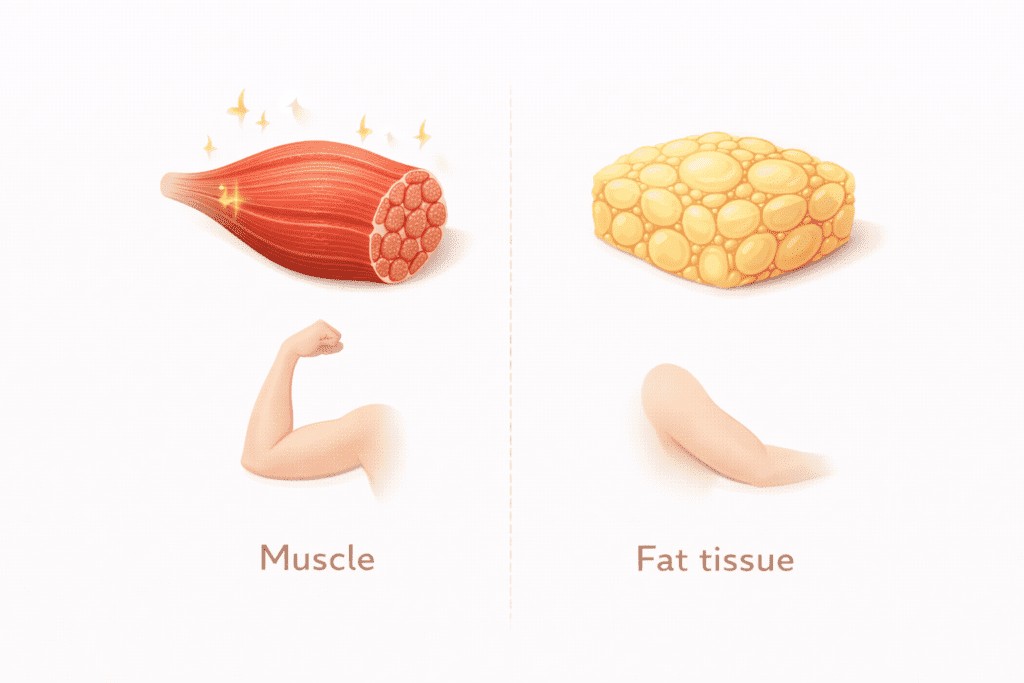
As women move through middle age, small losses of muscle become more common. This isn’t dramatic muscle loss-it’s subtle. But muscle helps burn calories even when you’re resting.
When loss of muscle mass occurs, the body burns less energy throughout the day. That makes it easier to gain weight on the same food intake.
This is why some women feel stuck even though they stay active. Without enough resistance work, the body composition shifts toward higher fat mass, even if total weight changes slowly.
Lifestyle Shifts Add Up Quietly

Here’s the part that feels uncomfortable-but real.
Many women become slightly less active as they age. Work demands increase. Family responsibilities grow. Time for movement shrinks.
This doesn’t mean people stop exercising. It means overall physical activity drops just enough to matter.
A more sedentary lifestyle, combined with stress and less sleep, creates conditions that cause of weight gain over time-even without changing food quality.
From what I’ve seen, this combination explains why women say, “I’m doing everything right, but I still gain weight.”
Why Cutting Calories Often Backfires
The first reaction for many women is to cut food.
Sometimes that works short term. But consistently eating even fewer calories can reduce energy levels, increase stress, and worsen muscle loss.
This can slow metabolic processes further and make it harder to lose weight long term.
In other words, less food isn’t always the answer.
The Internal Shifts That Make Weight Gain More Likely After 30
Before talking about support options, it’s important to understand why the same routine starts giving different results. This isn’t about effort dropping off. In most cases, it’s about internal systems changing with age.
From my research, three drivers show up again and again when experts explain why women over 30 gain weight on the same diet:
- Stress hormones
- Cellular energy production
- Blood sugar control
None of these act alone. And none of them flip a switch overnight. But together, they can quietly cause weight gain even when food choices look reasonable.
Let’s walk through each one.
1) Stress, Cortisol, and Hormonal Weight Gain
Stress hits differently after 30.
When women deal with long-term stress-work pressure, family demands, lack of sleep-the body releases more cortisol. Cortisol is a hormonal signal meant to protect you. But when it stays high, it can lead to weight gain, especially around the middle.
Here’s the thing people don’t always realize: cortisol tells the body to save energy. That often means holding onto fat cells instead of using them. Over time, this pattern is linked to more visceral fat, which is harder to manage and more closely tied to heart disease and type 2 diabetes.
Personally, I think this is why stress matters more in middle age than people admit. You can be eating a healthy diet and still see the scale move if stress stays constant.
Some women look into Nagano Tonic because its focus is stress response and cortisol balance. It isn’t framed as a fix for weight gain, and it doesn’t override lifestyle habits. It’s usually discussed as a gentle support tool rather than a solution on its own.
This is typically where a deeper internal review can help readers decide if it’s relevant for them.
2) Cellular Energy Decline and Slower Metabolism
Another shift that happens with age is at the cellular level.
As women move through their 30s and into middle age, the body’s ability to produce energy efficiently can decline. This affects metabolism in a subtle way. The body still burns calories-but not as easily as before.
When cellular energy drops, the body becomes more protective. It’s more likely to hold onto fuel, which shows up as increased fat mass over time.
From what I noticed reviewing material often linked to Harvard Health Publishing, reduced energy production is associated with changes in body composition, not just weight. That means the scale might not jump right away, but the ratio of fat to muscle slowly shifts.
This is one reason women say their weight feels different after 30.
Mitolyn is usually mentioned in this context because it focuses on mitochondrial and cellular energy support. It isn’t positioned to directly help you lose weight. Instead, it’s discussed as a way to support the body’s energy systems that influence metabolic function.
Is it necessary for everyone? Probably not. But this is the biological role it’s typically connected to, and an internal review can explain it in more detail.
3) Blood Sugar, Insulin, and Fat Storage
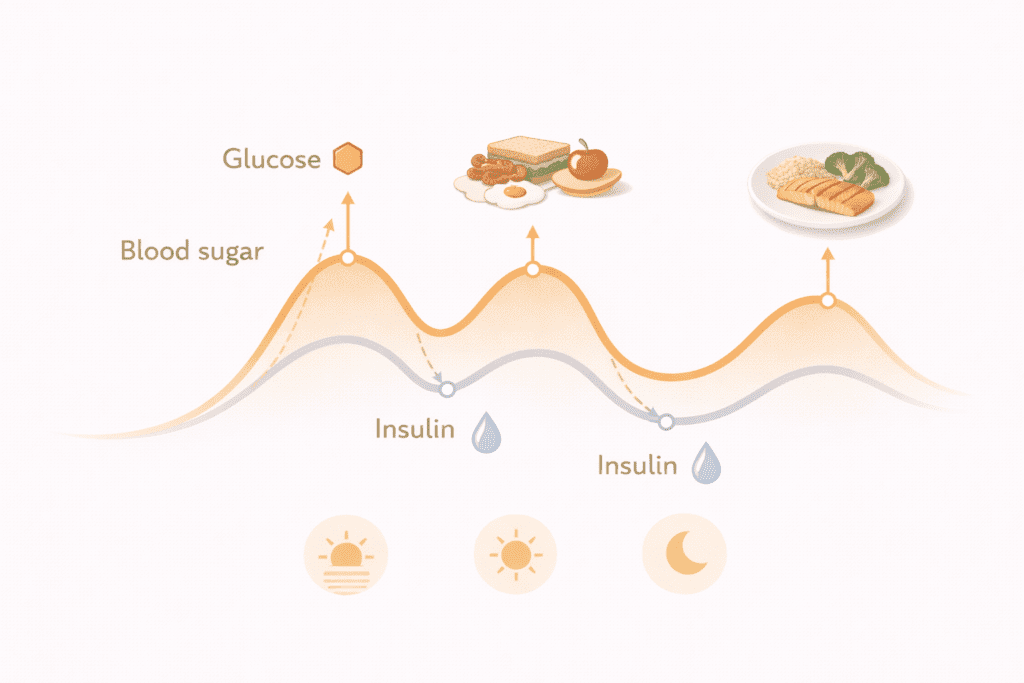
Blood sugar control becomes more important as women get older, even if they’ve never had issues before.
When blood sugar rises often, the body releases insulin to manage it. Over time, this can lead to insulin resistance, where cells don’t respond as well. When that happens, excess energy is more likely to be stored as fat.
This process is linked to weight gain, higher body fat percentage, and increased risk of diabetes and type 2 diabetes later in life.
According to information frequently referenced by Mayo Clinic, changes in insulin response are a common reason women gain weight despite stable eating patterns.
Ikaria Lean Belly Juice is often discussed in relation to blood sugar and insulin balance. Its positioning focuses on helping the body manage glucose more smoothly, not on forcing rapid results or promising significant weight gain reversal.
In most cases, it’s mentioned alongside balanced diet habits, not instead of them. For readers who want specifics, this is usually where an internal review fits naturally.
Daily Habits That Quietly Push Weight Up After 30
This is where things get practical.
Most women don’t suddenly change their diet in their 30s or 40s. But daily habits do shift-often without realizing it. These shifts affect metabolism, muscle, and how the body handles energy. Over time, they cause weight gain, even when food choices stay the same.
From my research, three lifestyle factors matter most here:
- Morning energy use
- Muscle preservation
- Sleep quality
Let’s walk through each one, calmly and honestly.
4) Morning Energy Use and Thermogenesis
Mornings set the tone for the day.
After waking up, the body naturally increases energy use for a short window. This process helps regulate appetite, blood sugar, and overall metabolic activity. But many women start their mornings rushed, stressed, or under-fueled.
When that happens, the body doesn’t fully activate this energy cycle. Over time, that can lead to weight gain, especially when combined with a sedentary lifestyle.
This doesn’t mean everyone needs breakfast. There are exceptions. But consistency matters more than people think.
Java Burn is usually mentioned in this context because it’s designed to be taken in the morning, often with coffee. Its focus is on supporting early-day thermogenesis, not forcing fat loss or promising results.
Personally, I think this explains why some women feel “off” all day when mornings are chaotic. When mornings stabilize, energy regulation often improves-even without changing diet.
For readers curious about details, this is typically where an internal review can fit naturally.
5) Muscle Loss, Protein Intake, and Body Composition
Here’s something most women aren’t told clearly enough: muscle loss plays a major role in midlife weight gain.
As women move through middle age, muscle declines slowly unless it’s actively maintained. Less muscle means fewer calories burned at rest. Over time, this shifts body composition toward higher fat storage-even if scale weight changes slowly.
This is why women can feel softer or heavier even when the numbers don’t jump much.
Relying only on aerobic exercise isn’t always enough. Preserving muscle usually requires enough protein and some form of resistance work, such as strength training, ideally at least twice a week.
Programs like The Smoothie Diet are often discussed because they emphasize protein intake in a structured way. The goal isn’t to starve. It’s to help gain muscle support while managing calories more intentionally.
From what I’ve seen, women who protect muscle tend to manage fat mass better over time. This doesn’t guarantee results-but it improves the odds.
This is another spot where an internal review can give context without pressure.
6) Sleep Quality and Hormonal Recovery
Sleep is one of the most underestimated factors in weight management.
Poor sleep disrupts hunger hormones, raises cortisol, and interferes with growth hormone, which plays a role in tissue repair and fat regulation. Over time, this makes it easier to hold onto extra weight.
Many women in middle age sleep fewer hours than they think. Stress, screens, and irregular schedules all add up. When sleep suffers, the body prioritizes survival-not fat release.
SleepLean is often mentioned here because its focus is nighttime recovery and sleep quality. It isn’t about burning calories. It’s about supporting rest so hormonal signals can normalize overnight.
Honestly, this is where expectations need to be realistic. Sleep improvements don’t always show results quickly. But when sleep stabilizes, many women notice better appetite control and fewer swings in water weight.
As always, an internal review can explain this in more depth for those interested.
Pulling It All Together + Final Verdict & FAQs
Let’s pause and zoom out for a moment.
If you’ve made it this far, one thing should be clear: women over 30 gain weight on the same diet for reasons that go far beyond food alone. This isn’t about discipline slipping or suddenly making bad choices. In most cases, it’s about how the body changes with age and how those changes quietly affect daily balance.
Here’s the thing people don’t always say out loud: what worked at 25 often doesn’t work the same way at 35 or 45. And that’s normal.
What Actually Changes After 30 (In Plain English)
From everything we’ve covered, a pattern shows up again and again.
As women move through middle age, several shifts happen at the same time:
- Metabolism becomes less flexible and burns energy more slowly
- Hormones like estrogen and testosterone fluctuate, affecting fat storage
- Muscle mass declines unless it’s actively supported
- Stress stays high, which can raise cortisol
- Sleep becomes lighter, shorter, or more broken
- Overall physical activity often drops, even slightly
Each change on its own may seem small. But together, they can cause weight gain or make it feel harder to reverse.
That’s why many women feel confused when they’re still eating well but notice extra pounds creeping in.
Why the Scale Can Be Misleading
One mistake many women make is focusing only on the scale.
As body composition changes, weight doesn’t always tell the full story. You might weigh the same but carry more fat mass and less muscle. Or the scale may go up slightly while strength and health improve.
This is also why doctors sometimes look at body mass index, waist measurements, and other markers-not just the numbers on the scale.
Weight isn’t just about quantity. It’s about where weight sits and what it’s made of.
Lifestyle Still Matters-Just Differently
Here’s where expectations need to shift.
After the age of 30, weight control usually requires more intention, not more extremes. That means:
- Adjusting portion sizes instead of cutting entire food groups
- Prioritizing protein to help helps maintain muscle mass
- Adding resistance work instead of only cardio
- Staying active even when busy-avoiding a fully sedentary routine
- Managing stress instead of ignoring it
- Sleeping enough to support hormonal recovery
This isn’t about perfection. It’s about consistency.
And yes, it often means making changes that weren’t necessary before.
Where Supportive Tools Fit (Without Pressure)
Supportive products sometimes show up in these conversations because they target specific weak points-like stress, energy, blood sugar, or sleep.
They’re not required. They don’t work alone. And they don’t replace diet and exercise habits.
In most cases, they’re used to support routines women are already trying to build. That’s why many readers prefer learning about them through internal reviews, at their own pace, without pressure.
If something aligns with your situation, you can explore it further. If not, that’s okay too.
Final Verdict: So What Does This Mean for You?

Bottom line?
If you’re eating well and still noticing weight gain, it doesn’t mean your diet failed. It means your body is changing with age.
The women who manage their weight best over time tend to:
- Stop chasing quick fixes
- Focus on habits they can repeat
- Protect muscle instead of just cutting calories
- Respect sleep and recovery
- Stay active without burning out
That’s how many women maintain a healthy weight and avoid long-term issues like heart disease, type 2 diabetes, and reduced quality of life as they move through middle age.
Is it harder than before? Yes.
Is it hopeless? Not at all.
Frequently Asked Questions (FAQs)
Why do women gain weight even when eating the same foods?
As women get older, changes in metabolism, hormones, and muscle can shift how the body uses energy. This can cause weight gain even when the diet stays consistent.
Does menopause automatically cause weight gain?
Not automatically, but menopause does change hormone levels, which can affect fat storage and appetite. Lifestyle habits become more important during this stage.
Is it harder to lose weight after 30?
For many women, yes. It’s often harder to lose weight because the body burns fewer calories and protects stored energy more strongly.
Should women eat fewer calories as they age?
Sometimes small adjustments help, but chronic restriction can backfire. Eating even fewer calories without enough protein may worsen muscle loss.
What type of exercise works best after 30?
A mix usually works best. That includes movement for heart health plus strength training to protect muscle and support metabolism.
When should I talk to a doctor?
If weight changes feel sudden, unexplained, or come with other symptoms, it’s smart to talk to a provider-especially if there’s concern about diabetes, overweight, or other health risks.
One Last Thought
If you’re feeling frustrated, you’re not alone.
Understanding why your body changes is often the first step toward managing it better. Once expectations shift, progress usually feels more realistic-and a lot less stressful.
That’s what actually lasts.