

Many adults in the U.S. try to lose weight by eating better and exercising more. Yet progress often feels slower than it used to. Here’s what I noticed while researching this topic: the issue isn’t always what people eat-it’s how they start the morning.
After 30, the body responds differently to stress, sleep, and daily habits. The morning sets the tone for the rest of the day, especially when it comes to metabolism, energy levels, and appetite control. If the morning routine is rushed, inconsistent, or stressful, the body often stays in a “hold energy” mode instead of a “use energy” mode.
Most people in the US don’t think much about their morning habits. They wake up, check their phone, grab coffee, and move on. But small choices made first thing in the morning can quietly influence blood sugar, digestion, and how the body uses calories later in the day.
Let’s keep it simple. This isn’t about extreme routines or perfect discipline. It’s about understanding why mornings matter-and how simple morning habits that boost metabolism can help support a healthier metabolism over time.
Why Metabolism Feels Slower After 30
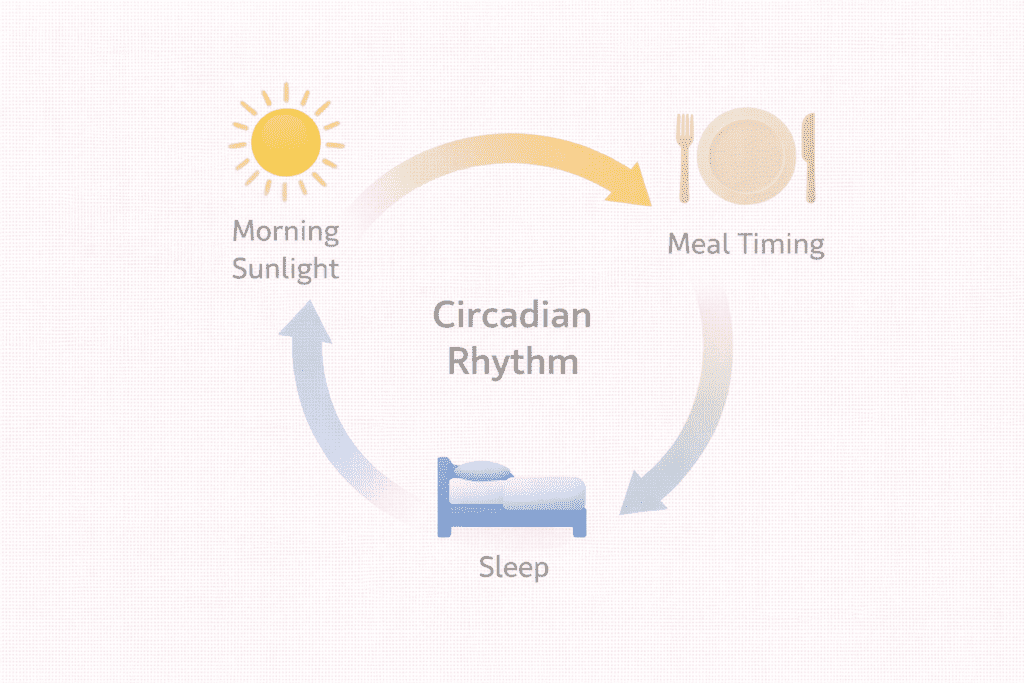
Metabolism isn’t broken after 30, but it does become more sensitive to lifestyle signals. Several biological and daily-life factors play a role.
One key factor is the circadian rhythm. This internal clock helps regulate sleep, hunger, and energy use. When mornings are inconsistent-late wake-ups, skipped meals, poor sleep-the circadian rhythm can drift. That affects how efficiently the body processes food and uses energy throughout the rest of the day.
Another issue is muscle loss over time. Without enough movement or strength training, the body slowly loses muscle mass. Since muscle helps burn more calories at rest, this can make weight management harder. Even small declines matter over the long term.
Hydration also gets overlooked. Starting the day dehydrated can affect digestion and focus. A simple glass of water in the morning helps regulate basic body functions and supports hydration before caffeine enters the picture.
Stress is another piece people underestimate. Rushed mornings, skipped meals, or constant phone use can increase cortisol levels. In most cases, elevated stress signals tell the body to conserve energy rather than use it efficiently.
That’s why morning habits matter. They don’t need to be dramatic. But when repeated daily, they help regulate systems that control appetite, fat storage, and energy use later in the day.
How Your Morning Routine Influences the Rest of the Day

A consistent morning routine helps set the tone for the rest of the day. This doesn’t mean waking up at 5 a.m. or following a strict plan. It means giving the body clear signals early on.
For example, staying hydrated after waking up helps regulate digestion and focus. Gentle morning movement-like walking or light stretching-supports circulation and prepares the body for activity later in the day.
Protein intake also matters. Protein-rich foods in the morning can help you stay full longer and reduce craving later in the day. Even something simple, like Greek yogurt or eggs, can make a difference when done consistently.
Morning sunlight is another underrated factor. Sitting near a window or stepping outside to get morning sunlight helps align the body’s internal clock. This can support better sleep later and steadier energy during the day.
These are not quick fixes. They’re small habits that, when repeated, may help you lose weight over time by supporting a healthier metabolism and more stable energy use.
Now this is where people get confused. You don’t need to do everything at once. One or two simple habits can already help create momentum.
In the next sections, we’ll look at specific biological systems-like stress response, cellular energy, blood sugar balance, and sleep-and how certain supportive approaches fit into a healthy morning routine.
Managing Stress Signals in the Morning (Nagano Tonic)

One reason mornings matter so much after 30 is how the body responds to stress. When stress levels are high early in the morning, the body may release more cortisol. In most cases, cortisol helps with alertness. But when levels stay elevated, it can interfere with how the body uses stored energy.
Here’s what I noticed while researching this: rushed mornings, poor sleep, and skipping breakfast can all increase cortisol signals. When that happens, the body often shifts into a protective mode. Instead of using fat for fuel, it holds onto energy. Over time, this can affect weight management and make progress feel slower.
Some people look for gentle support in this area, which is where Nagano Tonic is sometimes mentioned. It’s commonly discussed in the context of stress balance and calming the body’s response in the morning, rather than forcing stimulation. The idea isn’t to suppress stress completely, but to help the body handle it more smoothly as the day starts.
Personally, I think stress support is often overlooked in weight discussions. It’s not dramatic, but it plays a quiet role in how the body behaves later in the day. This type of approach is usually explored alongside consistent habits, not as a replacement for them.
If you’re curious how this kind of stress-focused support fits into a broader routine, it’s often explained in more detail on dedicated review pages.
Supporting Cellular Energy Early in the Day (Mitolyn)
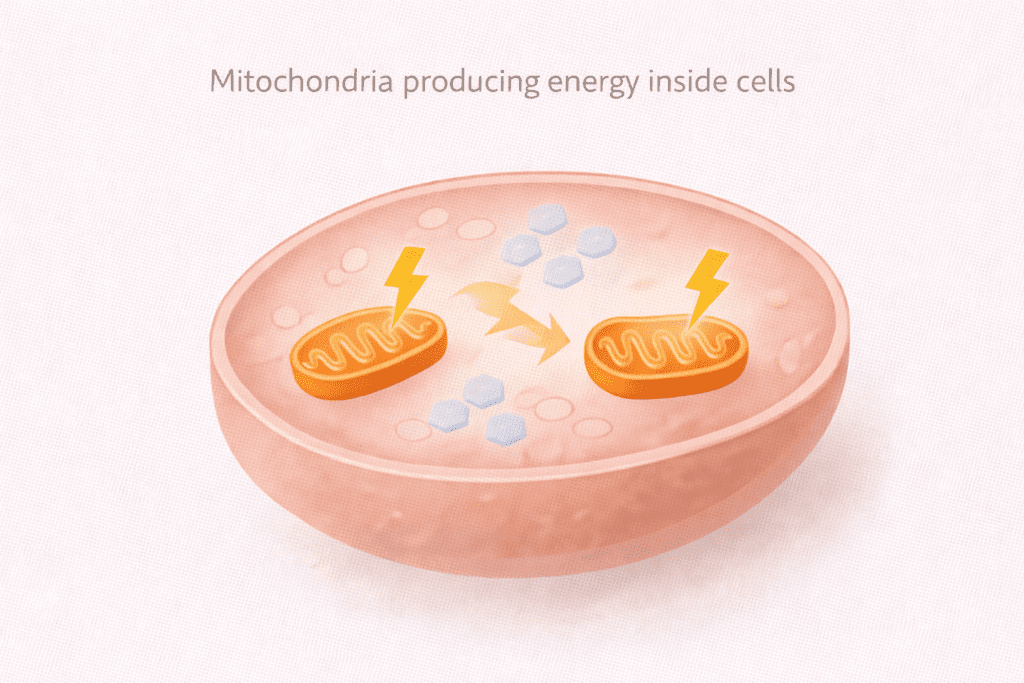
Another morning factor that doesn’t get enough attention is cellular energy. After 30, many adults notice lower energy levels even when sleep and diet seem reasonable. In many cases, this isn’t about motivation-it’s about how efficiently cells produce energy.
Inside the body, mitochondria are responsible for turning food into usable energy. When this process slows, the body may burn fewer calories overall, even if activity levels stay the same. This doesn’t mean metabolism stops working, but it may become less efficient.
This is where Mitolyn is often discussed, specifically around mitochondrial support and cellular energy production. The focus here isn’t stimulation like caffeine. Instead, the discussion usually centers on helping cells function more efficiently so the body has steadier energy throughout the morning.
From my research, this approach tends to appeal to people who feel tired early in the day and struggle to stay consistent with movement or exercise routines. It’s not a guaranteed fix-there are exceptions-but supporting cellular energy can make mornings feel more manageable for some adults.
If you want to understand how this type of support is positioned within a full daily routine, internal review content usually breaks that down step by step.
Blood Sugar Stability in the Morning (Ikaria Lean Belly Juice)
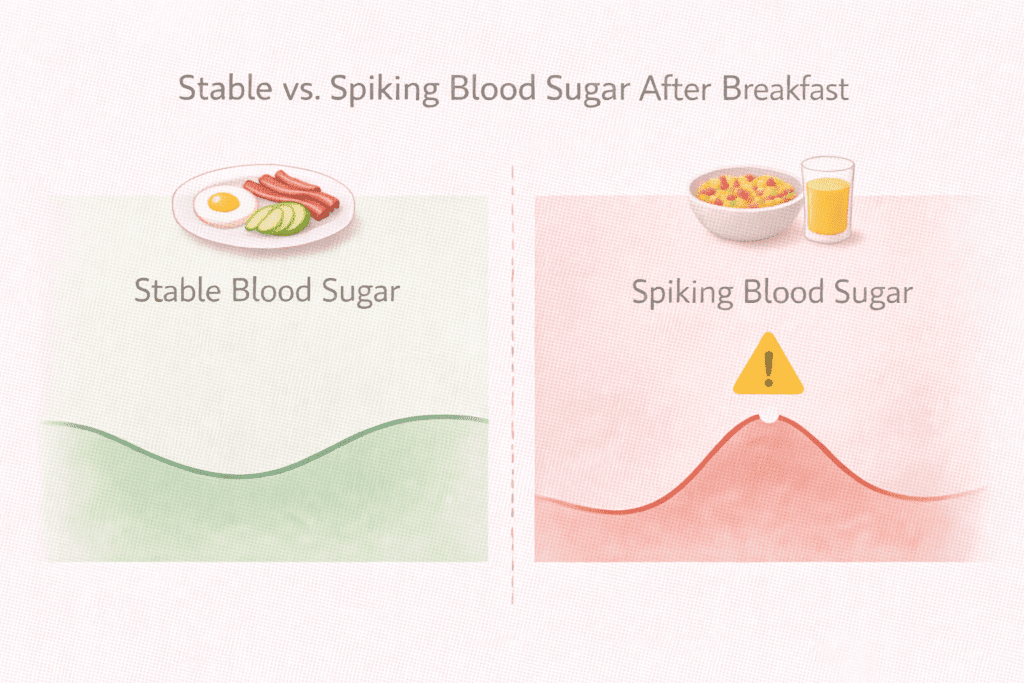
Blood sugar balance is one of those topics people hear about often, but don’t always connect to their morning habits. After 30, the body can become less flexible at handling spikes and drops, especially early in the day. When blood sugar rises too quickly and then crashes, it can lead to early hunger, low focus, and stronger cravings later.
Here’s what I noticed while researching this: many adults start the morning with either no food at all or meals heavy in refined carbs. In most cases, this creates a fast rise and fall in blood sugar, which makes it harder for the body to stay steady with energy use.
This is where Ikaria Lean Belly Juice is often mentioned, mainly in discussions around supporting insulin sensitivity and smoother blood sugar response. The goal isn’t to block carbs or force fat loss, but to help the body respond more evenly to food intake in the morning.
Personally, I think blood sugar balance doesn’t get enough credit in weight management conversations. It’s not flashy, but when energy stays steady, people tend to make better food choices later in the day. For those interested, internal review pages usually explain how this type of support is positioned alongside healthy eating habits.
Protein Intake and Muscle Preservation in the Morning (The Smoothie Diet)
Protein intake early in the morning plays a quiet but important role in how the body uses energy. After 30, the body naturally loses muscle over time if protein intake and movement aren’t consistent. Since muscle helps the body burn more calories, preserving it matters for long-term weight management.
Here’s the thing: many adults start the morning with coffee alone or light carbs. In most cases, that means very little protein. Without enough protein early in the day, hunger can show up faster, cravings increase, and it becomes harder to stay consistent with healthy eating later in the day.
This is where The Smoothie Diet is often mentioned. It’s usually discussed in the context of structured, protein-rich meals that are easier to prepare in the morning. The focus isn’t extreme dieting, but helping people reach their grams of protein more consistently without overthinking meals.
From my research, protein early in the day can help you stay full, support muscle maintenance, and reduce overeating later. It’s not perfect, and it doesn’t replace strength training, but it can make a consistent morning routine easier to maintain. Internal review pages usually explain how this approach fits into daily life.
Sleep Quality and Hormonal Recovery (SleepLean)
Sleep and morning habits are closely connected, even though they seem like opposites. Poor sleep often leads to rushed mornings, higher stress, and irregular eating patterns. Over time, this affects hormones that regulate appetite, energy use, and fat storage.
In most cases, adults over 30 don’t get consistent, high-quality sleep. That lack of recovery can increase cortisol, disrupt hunger signals, and make it harder for the body to use fat for fuel during the day. Even the best morning routine struggles when sleep is off.
This is where SleepLean is commonly discussed, specifically around supporting sleep quality and overnight recovery. The goal here isn’t sedation, but helping the body settle into better rest so hormonal systems reset more effectively.
Personally, I think sleep is one of the most overlooked factors in weight discussions. It’s not exciting, but when sleep improves, mornings often feel calmer and more manageable. For readers interested, internal review content usually explains how sleep-focused support fits into a full routine.
Bringing It All Together: Why Morning Habits Matter
Morning habits don’t work in isolation. They influence stress response, energy production, blood sugar stability, muscle preservation, and sleep recovery. When these systems work together, the body is more likely to function efficiently throughout the day.
Simple morning habits—like staying hydrated, eating enough protein, getting light movement, and keeping stress low—can help support a healthy metabolism over time. This doesn’t mean instant results. In most cases, progress comes from consistency, not perfection.
If you’re just starting out, focus on one habit at a time. A consistent morning routine helps set the tone for the rest of the day and makes healthier choices easier later on.
Final Verdict

Bottom line? Morning habits matter more after 30 than most people realize.
You don’t need extreme routines or strict rules. What usually works is a calm, consistent approach that supports the body’s natural systems—stress management, energy use, blood sugar balance, muscle maintenance, and sleep.
Products may offer supportive roles for some people, but they’re not replacements for daily habits. The biggest impact comes from showing up each morning and repeating small actions that add up over time.
Frequently Asked Questions (FAQs)
Do morning habits really affect metabolism after 30?
Yes, in many cases. Morning habits influence hormones, energy use, and appetite regulation. While metabolism doesn’t stop working, it becomes more sensitive to lifestyle signals as we age.
Is skipping breakfast bad for metabolism?
It depends. Some people feel fine skipping breakfast, while others experience low energy or cravings later. Paying attention to how your body responds is key.
Can supplements replace a healthy morning routine?
No. Supplements are generally discussed as supportive tools, not replacements. Consistent habits like sleep, nutrition, and movement matter more.
How long does it take to notice changes from morning habits?
There are exceptions, but most people notice small improvements within a few weeks when habits are consistent. Long-term changes take longer.
What’s the best morning habit to start with?
Start simple. Hydration, light movement, or a protein-rich breakfast are often the easiest first steps.
From my research, this type of support tends to be paired with consistent habits like light movement or a balanced breakfast. It’s not something that replaces daily routines, but rather something some people explore to complement them. More detailed explanations are typically available through internal review content.