

Most adults don’t fail at dieting because they lack discipline. They fail because the diet ends, and nothing else changes.
It usually goes like this. You start a new diet feeling motivated. You follow the rules. You cut calories. For a while, weight loss happens. Then life gets busy. Hunger builds. Energy drops. And slowly, the old eating patterns return. Within months, many people regain the weight they lost.
This cycle is frustrating, but it’s also common. And there’s a reason for it.
Diets fail without lifestyle support because food rules alone don’t change how people live, sleep, move, or handle stress. After 30, those factors matter more than ever.
Why Dieting Alone Stops Working After 30
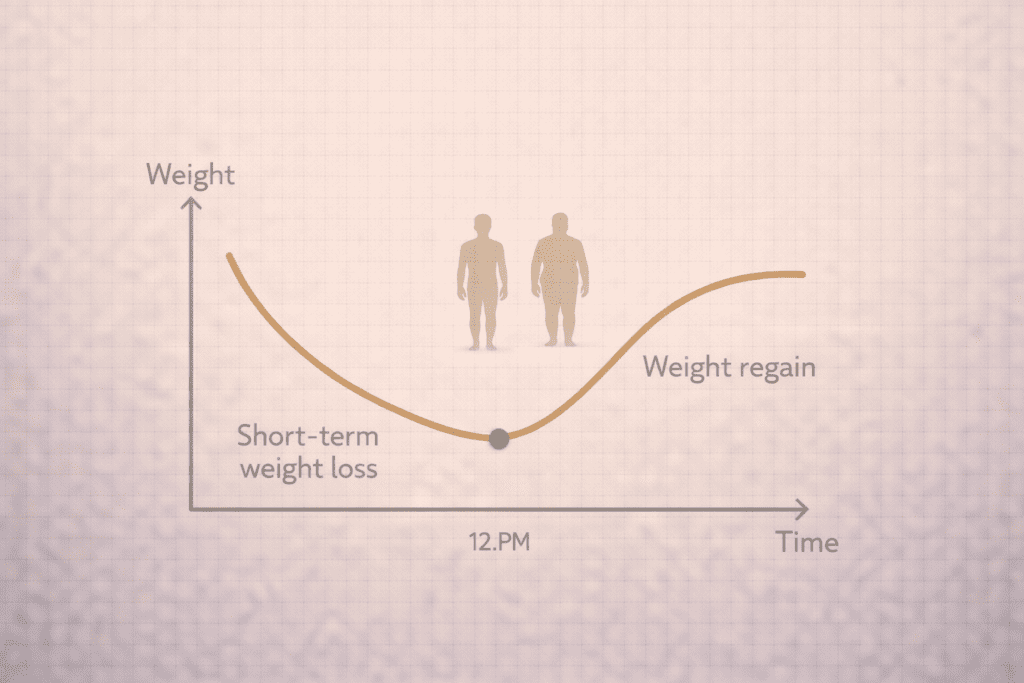
In your 20s, a short-term diet can sometimes work. The body is more flexible. Recovery is faster. Muscle loss is slower. But after 30, things change.
Restrictive eating plans often ignore the reality of adult life. Long work hours, family responsibilities, stress, and poor sleep all affect how the body responds to food. When a diet doesn’t fit real life, it becomes impossible to maintain.
Many popular diets focus on cutting entire food groups or extreme calorie restriction. This approach can lead to deprivation, increased hunger, and binge eating later. Over time, bingeing and guilt replace consistency.
This is why diets fail for so many people. The plan ends, but the habits never changed.
The Biological Pushback No One Talks About
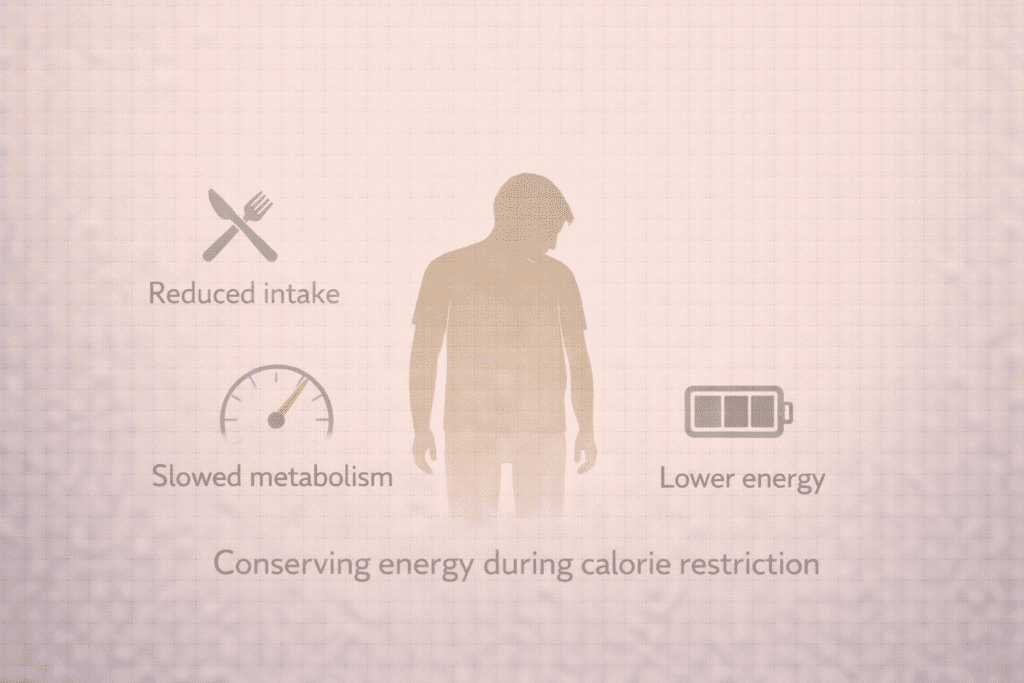
When you go on a diet, the body doesn’t see it as a health goal. It sees it as a threat.
Cutting calories too aggressively can slow metabolism and increase hunger signals. The body tries to protect itself by using less energy and pushing you to eat more. This isn’t weakness. It’s biology.
Over time, repeated dieting can increase the risk of weight regain. Research shows many dieters regain weight within two years, especially when lifestyle changes aren’t part of the plan.
This is why weight management isn’t just about eating less. It’s about creating conditions where the body doesn’t feel constantly deprived.
Restriction, Deprivation, and the Diet Mentality
A restrictive diet may work short term, but it often creates long-term problems.
When people eliminate entire food groups, food becomes something to fear. This can lead to a preoccupation with food, constant tracking, and loss of trust in hunger cues. Some people begin to overeat once the diet rules break, even if they don’t want to.
Dietitians often point out that rigid eating patterns are linked to binge eating and poor weight maintenance. The more extreme the rules, the harder it becomes to stick with them.
This doesn’t mean structure is bad. It means structure without flexibility usually fails.
Why Lifestyle Support Changes the Outcome
Lifestyle support fills the gap that diets leave behind.
Instead of focusing only on calories, lifestyle changes address:
- Eating habits and routines
- Physical activity levels
- Sleep and recovery
- Stress management
- Food environment and daily triggers
When these areas improve, weight loss becomes easier to maintain. The goal shifts from fast results to sustainable weight loss and long-term weight control.
That’s why some eating approaches, like the Mediterranean diet, tend to perform better over time. They allow flexibility, include whole grains, lean proteins, and support healthier eating habits without strict rules.
Diets don’t fail because people are lazy. Diets fail because they ignore how people actually live.
The Real Reason Diets Fail Without Lifestyle Support
Diets fail without lifestyle support because weight loss is not just a food problem. It’s a behavior problem, a stress problem, a sleep problem, and often an environment problem.
When a diet plan doesn’t address those factors, weight loss becomes temporary. When lifestyle changes are included, the results are more likely to last.
In the next sections, we’ll look at specific systems that influence whether a diet succeeds or fails – including stress hormones, cellular energy, blood sugar balance, daily energy use, muscle preservation, and sleep quality.
These systems don’t respond to food rules alone. They respond to lifestyle.
Stress, Cortisol, and Why Diet Rules Break Under Pressure

One major reason diets fail without lifestyle support is stress. Most diets focus on food rules, but they rarely address what happens when stress levels stay high day after day.
When stress is constant, the body releases more cortisol. Cortisol helps in short bursts, but over time it can increase hunger, encourage fat storage, and make weight management harder. This is especially noticeable after 30, when recovery from stress slows down.
Here’s what I noticed while looking at real-world patterns: people under stress don’t usually fail their diet because they stop caring. They fail because stress changes behavior. Sleep suffers. Eating patterns become irregular. Emotional eating becomes more likely. Even the best diet plan struggles in that environment.
This is where lifestyle support matters. Without tools to manage stress, restrictive plans often lead to regain. The body stays in survival mode, and weight loss becomes temporary instead of lasting.
In discussions around stress balance, Nagano Tonic is sometimes mentioned for its focus on supporting a calmer stress response rather than stimulation. The emphasis is not on forcing results, but on helping the body feel more stable so healthy habits are easier to maintain.
If you want to explore how stress-focused support fits into a broader lifestyle approach, that’s usually explained more clearly on a dedicated review page.
Low Energy, Burnout, and Why Diets Collapse Over Time

Another overlooked reason diets fail is energy depletion. Many diets cut calories without considering how that affects daily energy levels, especially in adults over 30.
When energy drops, physical activity often declines without people noticing. Workouts feel harder. Daily movement decreases. Motivation fades. This creates a gap between what the diet expects and what the body can realistically sustain.
At a cellular level, energy production depends on mitochondria converting food into usable fuel. When calorie restriction is aggressive or prolonged, this system can struggle. Less energy leads to less movement, which undermines weight management even if food intake stays controlled.
This is one reason diets feel “effective” at first but fail later. The body adapts by conserving energy. Fat loss slows. Frustration grows.
In conversations around cellular energy support, Mitolyn is sometimes discussed for its focus on mitochondrial and energy function. The discussion is usually about supporting steady energy so lifestyle habits-like regular movement-don’t collapse under fatigue.
From my research, diets paired with energy support and realistic routines tend to last longer than plans built on restriction alone. More detailed context is typically available through internal review content.
Blood Sugar Swings and Why Diet Rules Don’t Hold Up
Another reason diets fail without lifestyle support is unstable blood sugar. Many diets focus on what to eat but ignore how and when people eat. That gap shows up fast.
When meals are skipped, rushed, or built around strict rules, blood sugar can rise and fall sharply. These swings increase hunger, reduce focus, and make cravings harder to control. Over time, this pattern makes it difficult to stick to any diet plan, no matter how motivated someone feels.
Here’s what often happens. A dieter starts strong, follows the plan, then experiences low energy or intense hunger later in the day. To compensate, they snack, overeat, or abandon the plan entirely. The result is frustration, guilt, and often regain.
Blood sugar balance supports steadier eating patterns. When meals are consistent and less extreme, the body doesn’t fight back as hard. This is one reason diets paired with lifestyle changes tend to last longer than diets alone.
In discussions around supporting blood sugar balance, Ikaria Lean Belly Juice is sometimes mentioned in a neutral context. The focus is usually on smoother insulin response rather than quick results. This type of support is typically viewed as complementary to regular meals and healthier eating habits.
If you want to see how blood sugar–focused support fits into a broader lifestyle-based approach, that’s usually explained in more detail on a full review page.
Energy Use, Daily Movement, and the Missing Piece in Most Diets
Most diets talk about calories in. Very few talk about calories out in a realistic way.
When lifestyle support is missing, daily movement often drops. People sit more. They feel tired. They stop being physically active without planning to. This lowers how many calories are burned each day and makes weight management harder.
Morning energy plays a role here. Poor sleep, stress, and restrictive eating can reduce daily energy use. When that happens, even a carefully planned diet can stop being effective for weight loss.
This is where thermogenesis comes in-the body’s natural process of burning calories through heat and movement. When routines support steady energy, thermogenesis stays higher. When routines break down, energy use drops.
In conversations around supporting morning energy and thermogenesis, Java Burn is sometimes discussed. The emphasis is usually on supporting natural energy use rather than pushing stimulation. It’s often framed as something that fits into a broader routine, not a standalone solution.
From what I’ve seen, diets paired with consistent routines-sleep, movement, and balanced meals-are more likely to hold up over time. Additional detail on how energy-support approaches fit into lifestyle-based plans is typically available on internal review pages.
Protein Intake, Muscle Preservation, and Why Diets Break Down
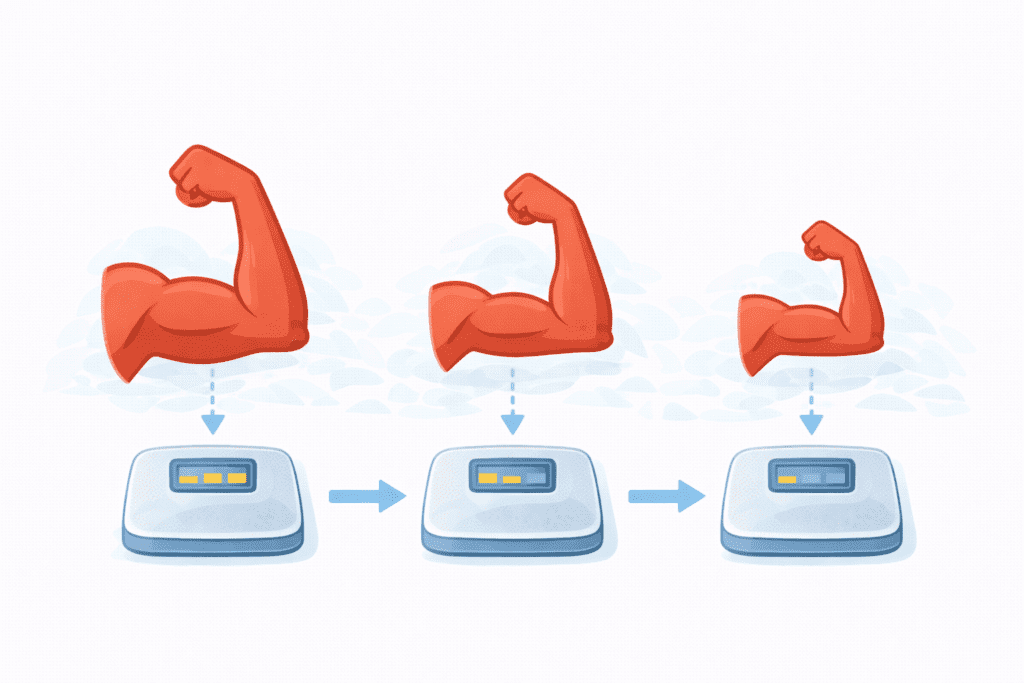
One of the biggest gaps in most diets is muscle support. Many plans focus only on eating fewer calories, not on protecting muscle while weight loss happens.
When protein intake is too low, especially during restrictive phases, the body may break down muscle for energy. That creates a problem. Less muscle means lower daily energy use, which makes it harder to maintain progress and easier to regain weight once the diet ends.
This is why many people lose weight at first, then stall-or gain it back. The diet reduced calories, but it didn’t support muscle preservation. Over time, that makes the plan harder to stick with and less effective.
Protein helps create structure without extreme rules. It supports satiety, steadier eating patterns, and muscle maintenance. When muscle is preserved, weight management becomes more sustainable.
This is why structured, protein-focused approaches are often discussed alongside lifestyle changes. The Smoothie Diet is sometimes mentioned in this context, mainly for simplifying protein intake when people struggle with consistency. The emphasis isn’t restriction-it’s meeting basic needs.
If you want to explore how protein-focused routines fit into a lifestyle-based approach, that’s usually explained in more detail on a full review page.
Sleep, Hormonal Recovery, and Why Willpower Isn’t Enough
Sleep is another reason diets fail without lifestyle support. Poor sleep doesn’t just cause fatigue-it changes how the body regulates hunger, stress, and decision-making.
When sleep quality is low, hunger signals increase, fullness signals weaken, and stress hormones stay elevated. This makes it much harder to follow any diet plan, even with strong motivation. Late-night eating, emotional eating, and inconsistency become more likely.
Over time, this creates a cycle: poor sleep leads to harder days, harder days lead to diet slip-ups, and slip-ups lead to regain. The diet itself didn’t fail-the environment did.
This is why sleep support often comes up in long-term weight discussions. SleepLean is commonly mentioned in relation to supporting sleep quality and overnight recovery. The focus is on helping the body rest more effectively so lifestyle habits are easier to maintain.
From my research, better sleep often improves adherence to healthy routines more than stricter food rules ever could. Review pages usually explain how sleep-focused support fits into a broader lifestyle strategy.
Bringing It All Together: Why Diets Need Lifestyle Support
Diets fail without lifestyle support because food rules alone don’t change behavior.
Stress, low energy, unstable blood sugar, reduced movement, muscle loss, and poor sleep all work against restrictive plans. When these factors aren’t addressed, diets become harder to follow and easier to abandon.
Lifestyle support doesn’t mean perfection. It means building habits that make healthy choices easier:
- Regular meals instead of extremes
- Enough protein to support muscle
- Movement that fits real life
- Sleep that allows recovery
- Stress management that lowers pressure
When these pieces are in place, diet becomes a tool-not a battle.
Final Verdict

Diets fail without lifestyle support because weight loss is not just about food.
It’s about how people live, sleep, move, and recover-especially after 30. Restrictive plans may produce short-term results, but long-term success comes from habits that can actually be maintained.
The goal isn’t to follow a perfect diet. It’s to create a lifestyle where weight management doesn’t feel like constant effort.
That’s where real progress happens.
Frequently Asked Questions (FAQs)
Why do most diets fail long term?
Because they focus on food rules without addressing stress, sleep, energy, and daily habits that influence behavior.
Are restrictive diets always bad?
Not always, but highly restrictive plans are harder to maintain and often lead to regain when lifestyle support is missing.
What matters more-diet or lifestyle?
They work together. Diet matters, but lifestyle determines whether results last.
Can lifestyle changes really help weight loss?
Yes. Consistent routines around eating, movement, sleep, and stress make weight loss easier to maintain over time.
What’s one lifestyle change to start with?
Improving sleep or meal consistency is often more effective than cutting more calories.
One Last Thought
If you’ve tried multiple diets and felt like you “failed,” it may not be you.
More often, the diet failed to fit your life.
When food choices are supported by sleep, energy, routine, and realistic habits, weight loss stops feeling fragile. It becomes something you can live with-not fight against.
That’s a much better place to be.