

Many adults over 30 focus on eating better and moving more, yet still feel low on energy or struggle with weight changes. Often, the missing piece isn’t diet or exercise-it’s hydration. Water is a key ingredient in your good health, especially as the body changes with age.
One common sign of low hydration is feeling tired even after a full night’s sleep. Others notice headaches, dry mouth, or difficulty concentrating during the day. These symptoms are easy to dismiss, but they can point to dehydration.
Modern, busy lifestyles make it easier to overlook daily water intake. Long work hours, frequent coffee breaks, skipped meals, and screen time can all reduce how often people drink water. Some adults don’t realize how little they’ve had until late in the day.
After 30, mild dehydration tends to affect health more noticeably. The body becomes less flexible, recovery slows, and small gaps in hydration can influence energy, digestion, and physical performance more than before.
This is why hydration deserves more attention-not as a trend, but as a daily health habit.
The Biological and Lifestyle Reasons Water Matters More After 30
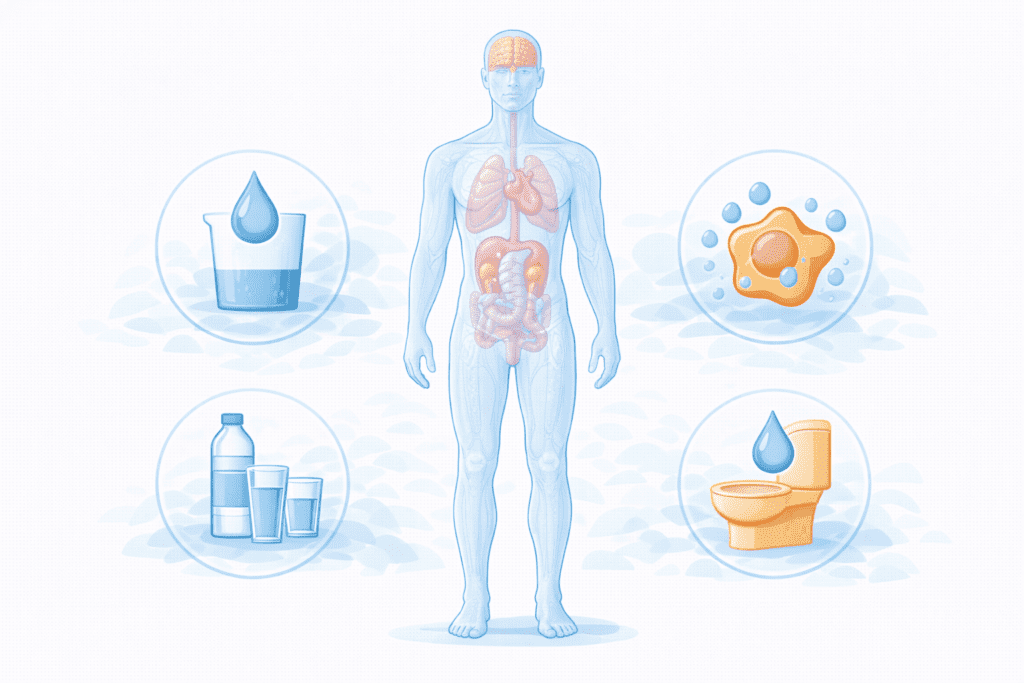
As we age, the body handles fluids differently. Changes in metabolism and fluid balance mean the same amount of water you drank in your 20s may not feel as effective now. Cells become slightly less efficient, and staying hydrated supports these systems as they work harder.
Another issue is thirst. Thirst signals often become weaker with age. Many adults don’t feel thirsty until they are already mildly dehydrated. This delayed signal makes it easier to dehydrate without realizing it, especially during busy or stressful days.
Lifestyle factors also play a role. Stress can increase fluid needs. Caffeine intake may increase water loss. Poor sleep affects hydration status, and sedentary routines reduce natural reminders to drink water, such as movement breaks.
Dehydration doesn’t affect just one area of health. It can impact energy levels, digestion, and recovery at the same time. When water intake is low, digestion may slow, physical activity can feel harder, and recovery from daily stress takes longer.
This combined effect is why hydration matters more after 30. Water plays a foundational role in how the body functions, supports balance, and adapts to daily demands.
In the next section, we’ll break down 10 clear reasons water is a key ingredient in your good health, starting with how it supports the body at a deeper, cellular level.
10 Reasons Water Supports Good Health After 30
1. Supports Energy Production at the Cellular Level
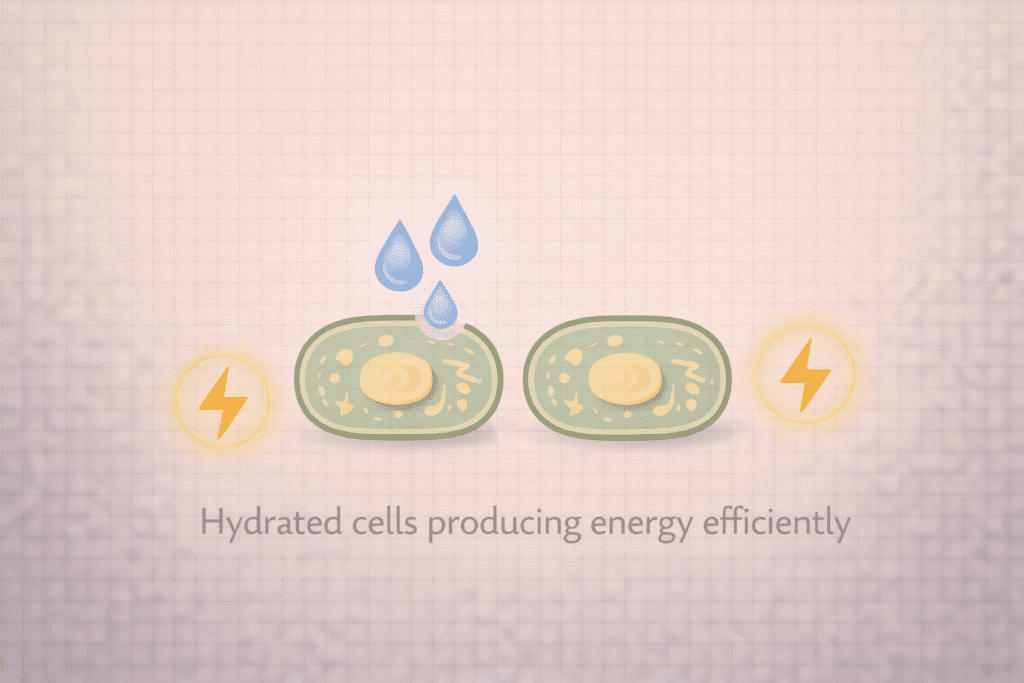
Every cell in your body relies on water to work efficiently. Nutrients, oxygen, and electrolytes all move through the body in fluid. When hydration is low, that movement slows down.
At the cellular level, water helps energy pathways function properly. Cells that don’t have enough fluid produce energy less efficiently, which can lead to tiredness or sluggishness. This is one reason people sometimes feel low energy even when they’re eating well.
After 30, cellular processes naturally become a bit less flexible. Staying hydrated helps support these systems so the body can keep up with daily demands.
2. Helps Regulate Body Temperature and Circulation
Water plays a major role in regulating body temperature. It helps the body release heat through circulation and sweating. When hydration is low, temperature regulation becomes less efficient.
This can affect comfort and endurance during normal daily activities, not just exercise. Poor circulation linked to low fluid levels may also reduce how well oxygen and nutrients reach tissues.
Proper hydration supports healthy blood flow, which helps the body stay balanced and responsive throughout the day.
3. Aids Digestion and Nutrient Absorption
Water is essential for digestion. It helps break down food in the stomach and move it through the digestive tract. Without enough fluids, digestion can slow down.
Low hydration is a common contributor to constipation and digestive discomfort. When digestion is inefficient, nutrient absorption can also be affected, which may influence energy and appetite.
Staying properly hydrated supports smoother digestion and helps the body absorb nutrients from meals more effectively.
4. Supports Metabolism and Calorie Use
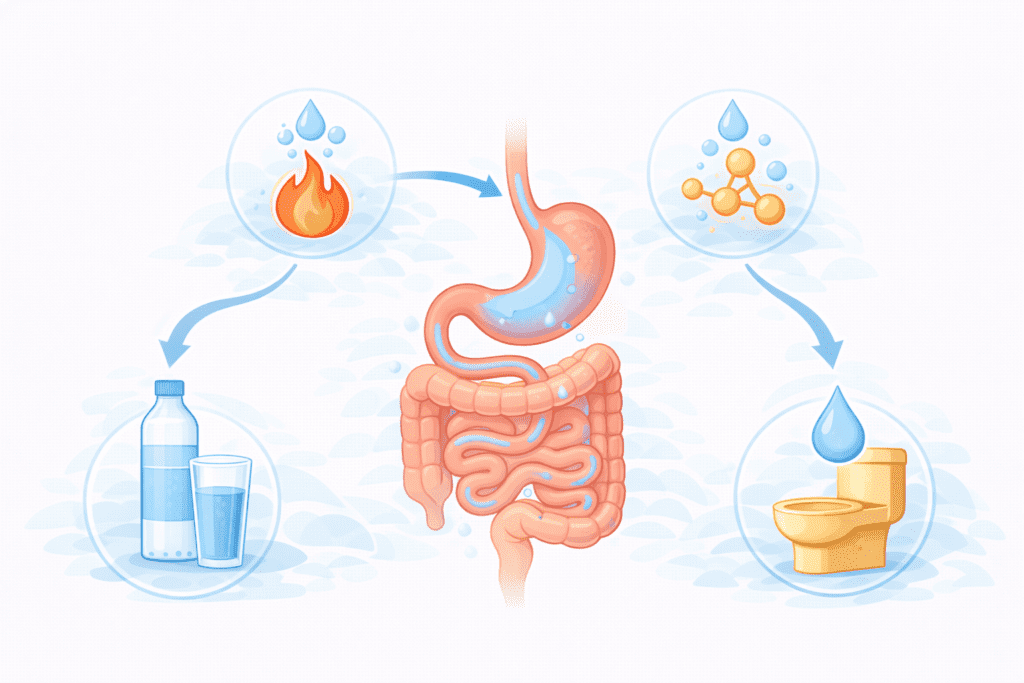
Metabolism depends on water. Many metabolic reactions require fluids to occur efficiently. When hydration is low, metabolic processes may slow slightly as the body conserves resources.
Water also plays a role in fat metabolism. Processes like lipolysis-the breakdown of stored fat-require adequate hydration. When fluid intake is low, these processes may not function as smoothly.
This doesn’t mean water causes weight loss on its own. It means hydration supports the conditions that allow metabolism to work as intended.
5. Helps Manage Appetite Signals
One reason hydration matters for weight management is appetite regulation. Thirst is often mistaken for hunger, especially during busy or stressful days.
When fluid levels are low, people may snack more often without realizing their body is actually asking for water. Drinking a glass of water can help clarify hunger cues and support more mindful eating.
Adequate hydration helps regulate appetite signals and can make it easier to stay consistent with healthy eating habits over time.
6. Supports Joint Comfort and Everyday Mobility
Water plays a role in keeping joints comfortable and moving smoothly. Joint tissues and connective tissues rely on fluids to stay cushioned and flexible.
When hydration is low, joints may feel stiff, especially in the morning or after long periods of sitting. This can discourage physical activity, which is important for weight management and overall health.
Staying hydrated supports joint lubrication, making daily movement feel easier and more natural as the body ages.
7. Helps Maintain Muscle Function

Muscles are made up of a high percentage of water. Proper hydration helps muscles contract and relax smoothly during movement.
When fluid levels drop, muscle performance can suffer. People may notice weakness, cramps, or quicker fatigue during normal activities. Over time, this can reduce physical activity levels.
Hydration supports muscle function and endurance, which helps adults stay active and maintain strength after 30.
8. Supports Brain Focus and Mood Balance

The brain is also sensitive to hydration levels. Even mild dehydration can affect focus, reaction time, and mood.
Low fluid intake may lead to difficulty concentrating, irritability, or mental fatigue. These effects are subtle but noticeable, especially during long workdays or stressful periods.
Staying hydrated supports mental clarity and cognitive performance, helping the brain stay alert and balanced throughout the day.
9. Assists Natural Detox and Waste Removal
Water supports the body’s natural waste-removal systems. The kidneys depend on adequate fluids to filter waste and maintain fluid balance.
When hydration is low, waste products become more concentrated, and the kidneys must work harder. Over time, this can affect overall health.
Drinking water regularly helps support kidney function and natural detox processes without extreme cleanses or supplements.
10. Supports Sleep Quality and Overnight Recovery
Hydration also influences sleep quality and recovery. Water helps regulate body temperature and supports circulation during rest.
Poor hydration can contribute to nighttime discomfort or lighter sleep for some people. On the other hand, steady hydration earlier in the day supports more comfortable rest at night.
Good sleep supports energy, appetite regulation, and recovery, making hydration an important part of nighttime health.
Stress and Cortisol Balance
Stress increases the body’s demand for fluids. When stress is high, the body releases cortisol, a hormone that helps manage short-term challenges. But chronic stress combined with dehydration can amplify fatigue and appetite changes.
Hydration helps support nervous system regulation. When the body has enough fluids, it handles stress signals more efficiently instead of staying in a constant alert state.
This doesn’t mean water removes stress, but it reduces unnecessary strain that dehydration can add. That matters for weight management and overall balance after 30.
In discussions around stress support, Nagano Tonic is sometimes mentioned neutrally in the context of cortisol balance. If you want deeper detail on how stress-focused support fits alongside hydration and lifestyle habits, that’s typically covered on a dedicated review page.
Cellular Energy and Mitochondrial Function
Water is essential for cellular energy production. Cells rely on fluids to transport oxygen and nutrients into mitochondria, where energy is produced.
When hydration is low, cellular energy production becomes less efficient. This often shows up as low energy levels, reduced motivation, and less daily movement.
Staying hydrated supports oxygen delivery and helps cells function properly, which supports overall energy and metabolic health.
In conversations around cellular and mitochondrial support, Mitolyn is sometimes referenced neutrally. For readers interested in how cellular-energy support is discussed alongside hydration habits, more context is usually available through an internal review.
Blood Sugar and Insulin Balance
Hydration plays a role in how the body manages blood sugar. Water helps maintain blood volume, which supports glucose transport throughout the body.
When hydration is low, insulin may not work as efficiently. This can lead to blood sugar fluctuations that affect energy, appetite, and cravings.
Drinking enough water supports steadier blood sugar responses, especially when paired with balanced meals and regular routines.
In discussions around insulin and blood sugar balance, Ikaria Lean Belly Juice is sometimes mentioned in a neutral context. If you’d like to explore how blood sugar–focused support fits into hydration-based lifestyle strategies, that’s usually explained in a full review.
Morning Thermogenesis and Daily Energy
Hydration plays a role in how the body produces heat and uses energy, a process known as thermogenesis. When you drink water consistently, the body can regulate temperature and energy use more efficiently.
Low hydration can reduce this response. People may feel slower in the morning, less motivated to move, and more fatigued during the day. Over time, this can affect daily calorie use and overall energy balance.
Drinking water earlier in the day supports morning routines by helping the body wake up and transition into activity. It doesn’t act as a stimulant, but it helps systems turn on smoothly.
In discussions around morning energy and thermogenesis, Java Burn is sometimes referenced neutrally. For readers interested in how morning thermogenesis support fits into hydration-based routines, that’s usually explained in more detail on a dedicated review page.
Protein Intake and Muscle Preservation After 30
Muscle plays a key role in long-term health, strength, and metabolism. Protein supports muscle maintenance, but hydration helps that process work properly.
Water supports protein digestion and nutrient transport. When hydration is low, digestion may slow, and muscles may not recover as efficiently. Over time, this can affect strength and physical activity levels.
After 30, preserving muscle becomes more important. Staying hydrated supports muscle function and makes it easier to stay active and consistent with movement.
This is why protein-focused routines are sometimes discussed alongside hydration habits. The Smoothie Diet is often mentioned neutrally in relation to simplifying protein intake within daily routines. If you want to explore how protein support fits into hydration-friendly lifestyles, that’s typically covered on a full review page.
Sleep Quality and Hormonal Recovery
Sleep is when the body recovers, and hydration plays a supporting role. Poor hydration can contribute to nighttime discomfort, dry mouth, or temperature imbalance, which may affect sleep quality.
Hydration also supports hormonal recovery. When the body is properly hydrated, stress hormones and appetite signals tend to regulate more smoothly during sleep.
This doesn’t mean drinking large amounts right before bed. Instead, steady hydration earlier in the day helps the body settle into rest without disruption.
In discussions around sleep quality and recovery, SleepLean is sometimes mentioned neutrally. For readers curious about how sleep-support routines fit alongside hydration habits, additional context is usually available through an internal review.
Frequently Asked Questions About Hydration After 30
How much water do adults over 30 generally need?
Needs vary based on body size, activity level, and climate. Many adults do well by drinking water consistently throughout the day instead of focusing on a single number.
Can drinking too little water affect energy levels?
Yes. Even mild dehydration can reduce energy and make daily activities feel harder.
Does coffee or tea count toward hydration?
They contribute some fluid, but plain water is still important, especially if caffeine intake is high.
Is it better to sip water or drink larger amounts?
Sipping water throughout the day often works better than drinking large amounts all at once.
Can hydration affect digestion and appetite?
Yes. Hydration supports digestion and helps prevent thirst from being mistaken for hunger.
Final Verdict

Water is a key ingredient in your good health, especially after 30.
It supports metabolism, energy production, digestion, muscle function, stress balance, and sleep recovery. While water isn’t a cure-all, it provides a foundation that allows other healthy habits to work better.
Consistent hydration doesn’t require perfection-just awareness and routine.
One Last Thought
Hydration is easy to overlook because it feels simple. But simple habits often have the biggest long-term impact.
When you drink water regularly, stay mindful of thirst, and support your body with steady routines, health becomes easier to maintain. Over time, those small choices add up.
Water isn’t a shortcut. It’s a foundation.