

Protein advice feels messy for a reason. One day, a high-protein diet is praised as the key to fat loss. The next day, people warn about eating too much. Many adults trying to lose weight end up unsure what to trust, even when calories seem under control.
After 30, this confusion becomes more noticeable. Weight loss slows down. Energy feels lower. And despite careful dieting, progress stalls. That’s when people start questioning whether protein intake is helping or hurting.
There’s also fear. Some worry that extra protein will turn into fat. Others believe carbs are the real issue. A lot of diets push extremes, which only adds pressure. The result is frustration, not clarity.
The truth is simpler than it sounds. Understanding how much protein to lose weight isn’t about chasing perfect numbers. It’s about supporting fullness, protecting muscle, and keeping the body steady enough to stick with a weight-loss approach that lasts.
The Biological and Lifestyle Reasons Protein Needs Change After 30

As people age, the body changes how it handles food. Muscle mass slowly declines, metabolism becomes less flexible, and recovery takes longer. This shift affects weight management more than most expect.
Protein plays a key role here. It helps protect lean mass and supports appetite control. Without enough dietary protein, hunger tends to rise, making dieting harder to maintain. This is one reason calorie cutting alone often fails.
Busy schedules also matter. Skipped meals, quick snacks, and convenience foods are usually lower in protein. Over time, many adults end up under-eating protein without realizing it. That can lead to fatigue, cravings, and loss of muscle.
Protein can help create balance. Compared to extreme calorie restriction or an extreme diet, steady protein intake supports fat loss while helping the body stay resilient. It doesn’t replace healthy habits-but it strengthens them.
This is why protein needs aren’t the same at 35 as they were at 20. Supporting the body properly becomes more important than pushing harder.
How Much Protein Do You Really Need for Weight Loss?
This is where most people start overthinking things.
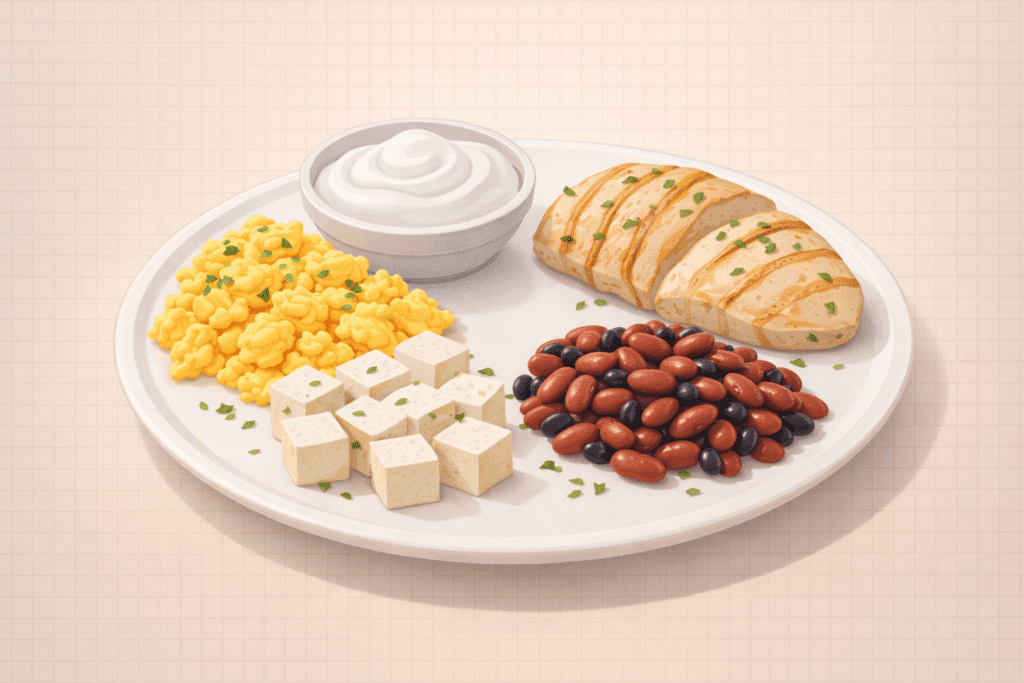
When it comes to how much protein to lose weight, there isn’t one magic number that works for everyone. Needs depend on body weight, activity level, age, and how aggressive the diet is. That said, there are practical ranges that help most adults avoid common mistakes.
The recommended dietary allowance for protein is 0.8 grams per kilogram of body weight. This allowance was designed to prevent deficiency, not to optimize weight-loss results. For someone trying to lose weight, that minimum often isn’t enough.
Many dietitians suggest a higher intake-usually grams per kilogram of body that better supports muscle and fullness. For example, an adult weighing 80 kilogram may aim for more than the minimum, especially if they’re active or cutting calories. This doesn’t mean eating a lot of protein at every meal. It means spreading it out in a realistic way.
A common mistake is focusing on the exact gram target instead of consistency. Some days may land closer to the goal, others may fall short. What matters more is getting enough protein most days, not perfection.
Another helpful way to think about it is energy balance. Many weight-loss diets include roughly 200–700 calories from protein, depending on total daily calories. This range often helps people feel fuller and reduce snacking without extreme restriction.
So how much protein is too much protein? For most healthy adults without kidney disease, moderate increases are considered safe. There are exceptions, which is why working with a dietitian is helpful for personalized needs-especially for people with diabetes or cholesterol concerns.
The goal isn’t excess. It’s adequacy.
Why Consistency Matters More Than Hitting Perfect Numbers
It’s easy to get stuck chasing the “right” amount of protein.
But here’s the reality: hitting an exact number once doesn’t lead to progress. Repeating a balanced approach does. A steady protein per day supports appetite control, protects lean mass, and keeps dieting from feeling miserable.
Many people bounce between a high-protein phase and a lower one. That swing often causes cravings, fatigue, and frustration. A consistent intake-one that fits your eating habits-works better than drastic changes.
This matters even more after 30. Muscle preservation helps prevent the loss of muscle, which supports metabolism and energy. When protein intake stays steady, workouts feel more manageable, and recovery improves.
It also helps avoid extremes like an ultra high-protein diet paired with very low carbs or fat. Balance matters. Protein works best alongside carbs and fat, not instead of them.
Think of protein as support, not a shortcut. When intake is repeatable, the diet becomes easier to maintain-and that’s what leads to progress.
Stress, Cortisol, and Protein Utilization
Stress plays a bigger role in weight loss than most people realize.
When stress stays high for long periods, cortisol levels rise. Cortisol helps the body respond to short-term challenges, but chronic stress changes how nutrients are used. In these situations, the body may break down muscle for energy, increasing the loss of muscle mass even when calories are controlled.
This matters because protein is closely tied to muscle protection. If stress is unmanaged, protein isn’t always used efficiently. That can slow progress for people trying to lose weight, even when their diet looks solid on paper.
This is also why extreme dieting backfires. Very low calories combined with stress make it harder to hold on to lean mass. Over time, that affects metabolism and body composition.
Some people look into options like Nagano Tonic when learning about stress and cortisol balance. It’s usually discussed as a supportive tool, not a fix. Anyone interested should review details carefully before deciding whether it fits their situation.
The bigger takeaway is this: protein works best in a calmer system. Managing stress helps the body actually use dietary protein the way it’s supposed to.
Cellular Energy and Protein Metabolism
Protein doesn’t just support muscle-it also plays a role in how the body produces energy.
At the cellular level, protein supports repair and maintenance. These processes rely on mitochondria, which help convert nutrients into usable energy. When protein intake is too low, recovery slows, and fatigue builds up.
This is especially noticeable during a weight-loss diet. Reduced calories mean fewer resources. Protein helps offset that by supporting tissue repair and helping the body adapt to lower energy intake.
Some people mention Mitolyn in discussions around cellular energy and mitochondrial support. It’s typically framed as complementary, not essential. As always, detailed reviews help people decide whether it aligns with their needs.
What matters most is balance. When the body has enough protein, energy levels tend to feel more stable. That stability makes it easier to maintain an eating plan over time.
Blood Sugar Control and Protein Intake

Blood sugar swings can quietly derail progress.
Meals low in protein digest quickly, especially when paired with refined carbs. This can cause spikes and drops in glucose, leading to cravings and overeating later. Balanced protein intake slows digestion and supports more stable energy.
For people with diabetes or insulin concerns, this balance becomes even more important. Protein helps moderate glucose response, which supports better appetite control and weight management.
Some people explore Ikaria Lean Belly Juice when learning about blood sugar and insulin balance. It’s generally discussed as part of a broader lifestyle approach, not a replacement for dietary changes. Most readers prefer reviewing details before making any decisions.
The key point is consistency. Regular protein intake helps reduce cravings, stabilize energy, and make dieting feel less reactive.
Morning Thermogenesis and Protein Timing
When people talk about fat loss, mornings don’t always get enough attention.
Eating protein earlier in the day can support thermogenesis-the process where the body burns calories during digestion. Protein takes more energy to digest than carbs or fat, which means calories from protein contribute slightly more to daily burn. It’s not dramatic, but over time, these small effects add up.
Morning protein also helps with appetite control. Starting the day with protein often leads to fewer cravings later. That makes it easier to stick to a diet without feeling restricted or drained.
Some people combine morning protein with light metabolic support. Java Burn is sometimes mentioned in this context, usually as part of a morning routine rather than a standalone solution. Anyone interested typically looks into a full review to understand how it’s positioned.
The main idea is timing, not perfection. Whether protein comes from eggs, yogurt, or a shake, having some early in the day can make eating patterns feel more stable.
Protein Intake and Muscle Preservation

One of protein’s biggest roles during weight loss is muscle protection.
When calories drop, the body looks for energy. Without enough protein, it may pull from muscle tissue, leading to a loss of muscle and reduced metabolism. This makes weight-loss harder to sustain.
Adequate protein intake helps protect lean mass, especially when paired with light resistance or regular movement. Preserving muscle supports energy levels and makes it easier to maintain progress.
Structured approaches can help some people stay organized. The Smoothie Diet is often discussed as a way to include protein consistently, especially for busy schedules. As with any plan, reviews help people decide if it fits their lifestyle.
Protein isn’t about building bulky muscle. It’s about protecting what you already have so the body stays efficient while you lose fat.
Sleep Quality, Recovery, and Protein Use
Sleep quietly affects how the body uses nutrients.
Poor sleep interferes with protein synthesis, the process where the body repairs and builds tissue. When sleep is short, recovery slows, hunger increases, and cravings become harder to manage. This makes dieting feel harder than it should.
Protein supports recovery, but it works best when sleep is adequate. Together, they help regulate hormones tied to appetite and energy. Without sleep, even a well-balanced diet struggles to deliver results.
Some people look into SleepLean when focusing on sleep quality and hormonal recovery. It’s usually discussed as supportive, not corrective. Reviewing details helps readers decide whether it fits their needs.
Better sleep doesn’t just improve recovery-it makes consistency possible.
Frequently Asked Questions About Protein and Weight Loss
How much protein should adults eat to lose weight?
The right amount depends on body size, activity, and overall diet. Many adults do better with more than the minimum allowance, spread evenly across meals.
Can eating too much protein slow weight loss?
Yes, if total calories go too high. Protein still contains calories, so balance matters.
Is protein more important than calories?
Calories matter, but protein helps control hunger and preserve muscle, which supports weight-loss results.
Does protein help reduce belly fat?
Protein supports fullness and muscle, which can help with fat loss overall, including abdominal fat. It’s not targeted, though.
Are high-protein diets safe long term?
For most healthy adults, moderate increases are safe. People with kidney disease should speak with a healthcare professional.
Should protein intake change with age?
Yes. Older adults often need more protein to protect muscle mass and support metabolism.
Is plant protein as effective as animal protein?
Yes, when intake is adequate. Foods like lentil, legume sources, and whole grains can contribute meaningfully.
How should protein be spaced throughout the day?
Spreading protein across meals helps maintain energy and supports muscle repair.
Does protein help prevent muscle loss during dieting?
Yes. Adequate protein helps reduce muscle loss during calorie restriction.
Can protein improve metabolism after 30?
Protein supports lean mass, which plays a role in metabolic health as people age.
Final Verdict: Why Protein Is a Key Tool, Not a Magic Fix

Protein plays an important role in weight loss, but it isn’t a shortcut.
It supports fullness, protects muscle mass, and helps people stay consistent with a diet that feels realistic. That’s the real health benefit-not extreme restriction or chasing perfect numbers.
For most people, the goal isn’t eating a lot of protein. It’s getting enough, day after day, without stress. When protein intake fits your eating habits, weight-loss becomes easier to maintain.
Balance still matters. Carbs, fat, sleep, movement, and stress management all work together. Protein simply strengthens that foundation.
One Last Thought
Sustainable weight loss doesn’t come from extremes.
Small, repeatable choices-like balanced meals, steady protein, better sleep, and regular movement-create results that last. Protein works best when it supports your routine, not when it becomes the focus of it.
If you’re aiming for progress that feels steady instead of exhausting, protein can help-when used with patience and consistency.