
Walking doesn’t look impressive. That’s part of the problem.
When people think about weight loss, they usually picture intense workouts, sweating hard, and pushing limits. Walking feels too easy to count as real exercise, so it often gets dismissed. Many assume it won’t help them lose weight or change body fat in a meaningful way.
After 30, this mindset can backfire.
A lot of adults try harder workouts and end up feeling tired, sore, or burned out. Recovery takes longer. Motivation drops. Instead of seeing results, weight stays the same or slowly creeps up. That’s when frustration sets in.
Walking doesn’t demand recovery the same way intense training does. It’s one of the few physical activities that most people can do consistently without draining their energy. That consistency matters more than people realize.
The question isn’t whether walking is “hard enough.”
The real question is whether it fits real life well enough to keep doing it.
That’s where walking Good for fat loss starts to make sense.

The Biological and Lifestyle Reasons Walking Matters After 30
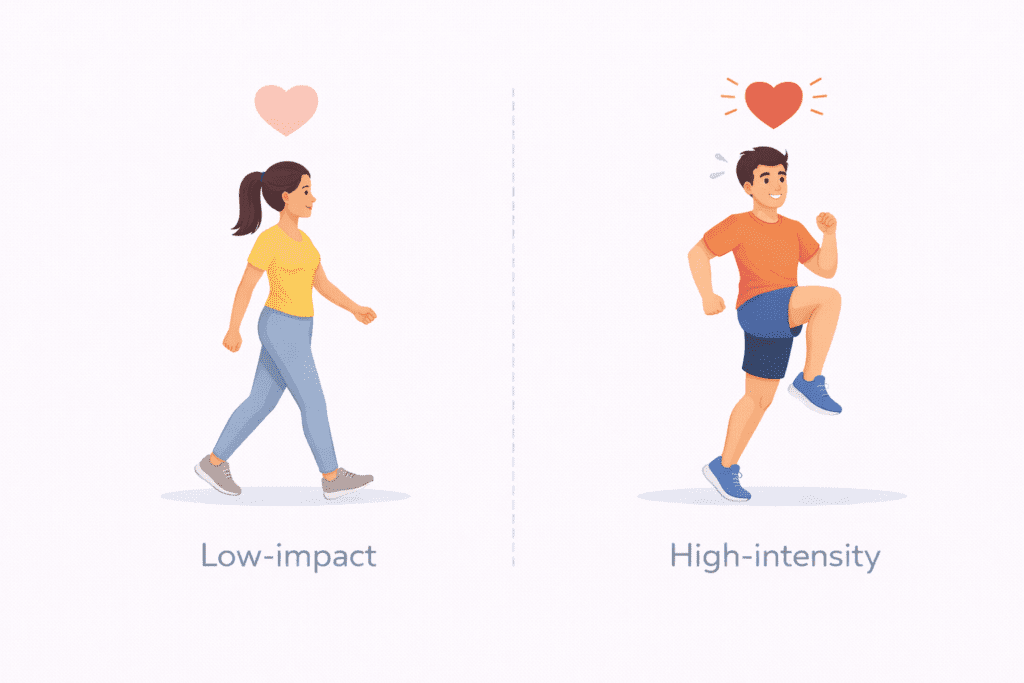
As the body gets older, recovery changes. High-intensity exercise places more stress on joints, muscles, and the nervous system. Doing too much too often can slow progress instead of speeding it up.
Walking is different.
It’s a low-impact form of aerobic exercise that supports daily movement without overwhelming the body. This makes it easier to maintain, especially for people dealing with joint discomfort, stress, or low energy.
Stress is another factor. Intense training can raise stress hormones, which may interfere with weight regulation. Walking tends to lower stress instead of adding to it. That helps the body stay in a better state for fat burning.
Daily movement also matters more than single hard workouts. Walking increases total activity across the day, which helps burn more calories over time. It may not feel dramatic, but the effect adds up.
For many adults, walking becomes the most realistic way to stay active without burning out. And consistency is what supports long-term weight management, not extremes.
How Walking Supports Fat Loss
Walking works because it fits how the body actually burns fat.
Fat loss doesn’t require extreme effort every day. It depends on steady energy use, good recovery, and habits you can repeat. Walking supports all three. It raises daily calorie use without pushing the body into exhaustion, which helps many people lose weight more reliably.
One advantage of walking is that it increases total movement across the day. Short walks add up. Over time, this steady activity helps burn calories and improves how the body uses stored body fat. It’s not flashy, but it’s effective.
Walking also improves insulin sensitivity. When insulin works better, the body is less likely to store energy as fat. Regular walking after meals can help manage blood sugar, which supports fat loss and weight control.
Another benefit is consistency. A walking workout is easier to repeat than intense sessions that leave you sore. People who stick with movement tend to see better results than those who start hard and quit. Walking supports that long-term adherence.
This is why many experts point out that walking isn’t a backup option. It’s a foundation. For adults over 30, that foundation matters more than pushing limits.
Calorie Burn Without Burnout
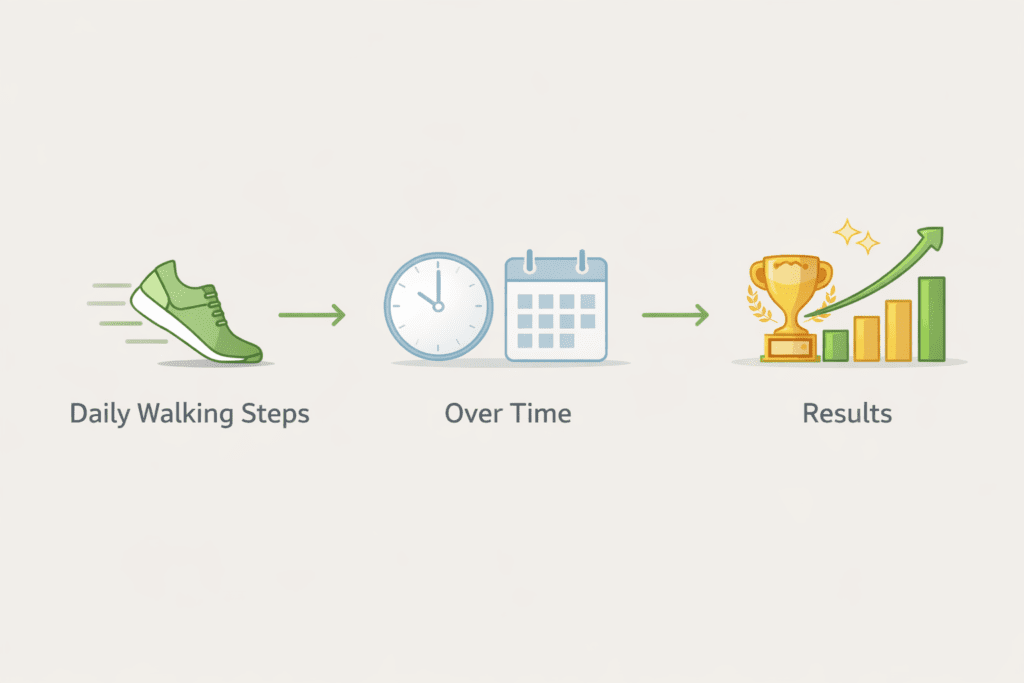
Walking may burn fewer calories per minute than running, but it makes up for that in sustainability.
Because walking is easier to recover from, people tend to do it more often. More days of movement means more total calorie burn across the week. That’s how walking can help you burn energy without stressing joints or raising injury risk.
Walking pace matters, but it doesn’t need to be extreme. Brisk walking raises the heart rate enough to count as moderate-intensity activity. Over time, this supports fat use and cardiovascular health.
Inclines can also help. Adding a slight incline-even on a treadmill or a hill-can increase effort and help burn more calories without speeding up. This keeps impact low while increasing challenge.
According to guidance often referenced by sources like the Mayo Clinic, adults benefit from regular movement they can maintain. Walking fits that recommendation better than many high-impact workouts.
The key isn’t doing one perfect session. It’s repeating manageable movement often enough that fat loss becomes part of your routine.
Stress Reduction and Cortisol Balance

Stress plays a quiet but powerful role in weight gain and fat loss.
When stress stays high, cortisol levels rise. Cortisol encourages the body to hold on to energy, especially around the midsection. This makes it harder to lose weight, even when food choices and exercise look good on paper.
Walking helps here in a way intense workouts often don’t.
Gentle, steady movement lowers stress hormones instead of raising them. A daily walk can calm the nervous system, which supports better hormonal balance. When cortisol levels come down, the body becomes more open to releasing stored body fat.
This is especially helpful for adults over 30 who already deal with work pressure, poor sleep, and mental fatigue. Walking doesn’t add more stress to an already overloaded system. It helps unwind it.
Some people explore supportive options like Nagano Tonic when learning about stress and cortisol balance. It’s usually mentioned in a neutral, informational way and fits into broader stress-management habits. Readers interested in it often review details before deciding whether it’s appropriate for them.
Lower stress doesn’t just feel better. It supports fat burning by creating the right internal environment.
Cellular Energy and Movement Sustainability
One reason walking works so well is how it affects energy at the cellular level.
Intense workouts can drain energy stores quickly. Walking, on the other hand, improves mitochondrial efficiency without causing excessive fatigue. Mitochondria are responsible for energy production, and steady movement helps them work better over time.
This matters for sustainability. When energy stays stable, people are more likely to keep moving. Walking supports lean muscle activity without breaking it down, which helps preserve muscle mass during fat loss.
Some people mention Mitolyn in conversations around cellular energy and mitochondrial support. It’s typically discussed as complementary rather than essential. Reviewing a detailed breakdown helps readers understand where it fits, if at all.
The main benefit here is repeatability. Walking doesn’t leave you wiped out. That makes it easier to show up again tomorrow-and the next day.
Blood Sugar Control and Fat Burning
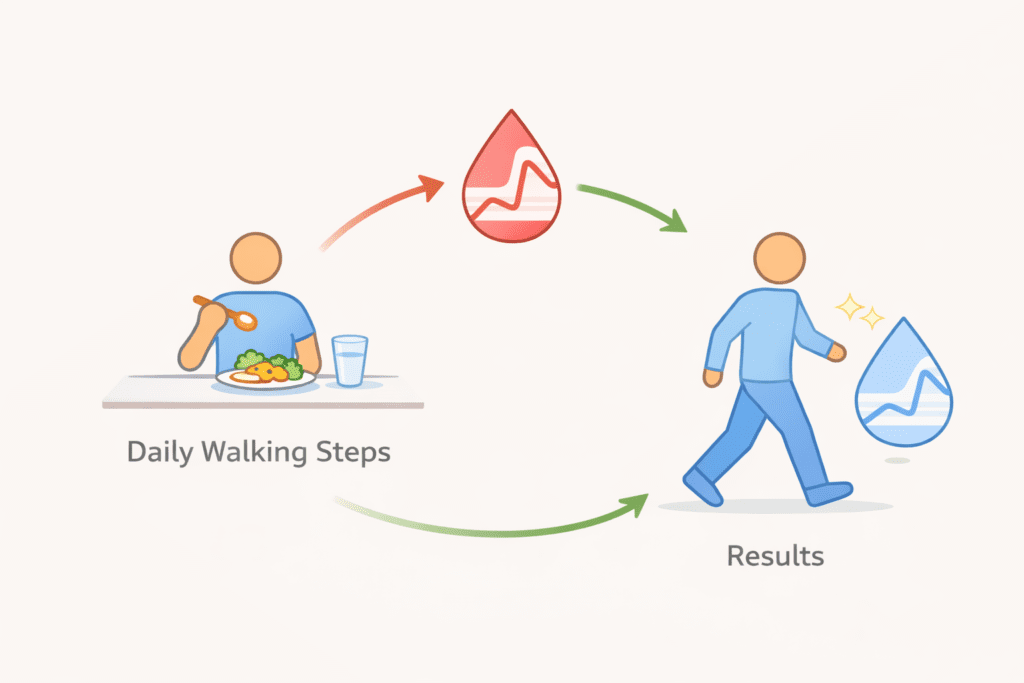
Walking also plays a role in how the body handles glucose.
After meals, blood sugar naturally rises. A short walk helps muscles use that glucose for energy instead of storing it as fat. This improves insulin sensitivity and supports better weight control over time.
When blood sugar stays more stable, hunger and cravings tend to decrease. That makes it easier to manage food intake without strict restriction. Over time, this supports fat loss without forcing extreme changes.
Some people look into Ikaria Lean Belly Juice when learning about blood sugar and insulin balance. It’s usually framed as supportive, not a replacement for walking or diet habits. Most readers explore reviews before making decisions.
Walking after meals doesn’t need to be long or fast. Even a relaxed pace helps support glucose control and fat use.
Morning Thermogenesis and Daily Steps
How the day starts often shapes how active it becomes.
A short walk in the morning can help wake up the body and gently raise metabolism. This process, often called thermogenesis, is the body’s natural heat and energy production after waking. Walking supports this without placing stress on joints or muscles.
Morning walks also help set a rhythm. People who move early tend to stay more active later in the day, which increases overall energy expenditure. This makes walking a practical way to support weight control without scheduling long workouts.
Daily steps matter more than most people think. You don’t need to chase extreme numbers. Gradually increasing steps a day helps maintain steady movement and improves consistency. This approach fits real life better than rigid plans.
Some people mention Java Burn when discussing morning thermogenesis and daily energy. It’s usually referenced as a supportive option rather than a solution. Readers often look into detailed information before deciding if it fits their routine.
The key is simplicity. A calm morning walk can support both energy and motivation for the rest of the day.
Protein Intake, Muscle Preservation, and Walking
Walking supports fat loss best when muscle is protected.
While walking isn’t intense, it still uses muscles regularly. Pairing walking with enough protein helps preserve lean muscle, which supports resting metabolic activity. Preserving muscle is important because muscle helps the body burn more calories even at rest.
Without enough protein, some people experience muscle loss during weight loss. Walking helps reduce this risk when combined with balanced nutrition. This is especially helpful for adults over 30 who want to avoid losing strength while losing fat.
Some structured approaches, like The Smoothie Diet, are often mentioned in the context of protein intake and routine. They’re usually discussed as a way to add structure, not as a requirement. Reviews help readers decide whether that structure fits their lifestyle.
Walking doesn’t build large muscles, but it helps maintain what you have-and that supports long-term progress.
Sleep Quality, Recovery, and Daily Walking
Sleep is one of the most overlooked factors in fat loss.
Regular walking supports better sleep by reducing stress and improving circadian rhythm. People who walk daily often fall asleep faster and sleep more deeply. Better sleep supports hormonal balance, which plays a role in appetite and fat storage.
When sleep improves, recovery improves. That means better energy the next day and more willingness to stay active. Over time, this cycle supports steady weight management without pushing the body too hard.
Some people explore SleepLean when focusing on sleep quality and hormonal recovery. It’s typically mentioned as supportive, not corrective. Most readers review details carefully before deciding if it fits their needs.
Walking may seem simple, but its effect on sleep and recovery makes it powerful.
Frequently Asked Questions About Walking and Fat Loss
Is walking enough to lose fat?
Yes, for many people it can be. Walking helps create steady calorie use and supports consistency. When paired with reasonable eating habits, it can support fat loss over time.
How long should you walk for fat loss?
Most guidelines suggest aiming for at least 150 minutes of moderate activity per week. That can be broken into shorter daily walks that feel manageable.
Is walking better than running after 30?
For many adults, yes. Walking is easier on joints and recovery, which makes it easier to stick with long term. Running burns more calories per minute, but walking is often easier to maintain.
Does walking burn belly fat?
Walking helps reduce overall body fat, which can include belly fat. Spot reduction isn’t possible, but consistent walking supports fat loss across the body.
Should you walk every day?
You can. Walking is gentle enough for daily movement. Many people benefit from walking most days of the week without feeling overworked.
Is fast walking better for fat loss?
Walking at a pace that raises your heart rate-such as brisk walking-can increase calorie burn. That said, any pace is better than none.
Can walking replace gym workouts?
For some people, yes. Walking can be the main form of exercise, especially when consistency and recovery are priorities.
Does walking help control blood sugar?
Yes. Walking after meals helps muscles use glucose, which supports better blood sugar control and weight regulation.
Is walking effective without diet changes?
Walking alone can help, but results are stronger when combined with balanced eating. Walking helps manage weight, but food choices still matter.
Can walking reduce stress-related weight gain?
Yes. Walking lowers stress and cortisol, which supports healthier fat storage patterns.
Final Verdict: Why Walking Is a Powerful Fat Loss Tool
Walking doesn’t look extreme, but it works.
It supports steady calorie use, improves insulin sensitivity, lowers stress, and fits into real life. For adults over 30, these factors matter more than pushing intensity. Walking makes fat loss feel manageable instead of exhausting.
The biggest advantage of walking is consistency. You can do it often, recover easily, and keep going. That’s what leads to lasting change.
If your goal is to lose weight, protect energy, and avoid burnout, walking is not a fallback-it’s a smart strategy.
One Last Thought
Simple movement often delivers the best results.
Walking works because it respects the body instead of fighting it. When done consistently, it supports fat loss, better sleep, and long-term health without extremes.
Long-term progress doesn’t come from doing the hardest thing.
It comes from doing the doable thing-again and again.