
If you’re in your 30s or beyond, you may notice something subtle but frustrating. Your routine hasn’t changed much, yet weight gain feels easier and trying to lose weight takes more effort than it used to. This experience is common, but it’s often misunderstood.
What slows down your metabolism isn’t a single event or a sudden failure in the body. Metabolism is how your body turns food into energy and decides how many calories you burn each day. Over time, that system adjusts based on age, stress, movement, and daily habits. These changes don’t mean something is broken. They reflect how the body adapts to long term demands.
A lot of advice online oversimplifies this topic. It often focuses on eating fewer calories or pushing harder with diet and exercise. That approach ignores how metabolism works in real life, especially after 30. When the body senses ongoing stress or inconsistency, it tends to protect energy rather than release it. This can make fat loss feel harder, even with effort.
After 30, biological changes and lifestyle pressures start overlapping. Recovery isn’t as fast. Sleep can become lighter. Physical activity often drops without people noticing. Together, these shifts explain why the body responds differently than it did years ago. Understanding this helps remove frustration and self blame and replaces it with clarity.

Why Metabolism Changes Become More Noticeable After 30
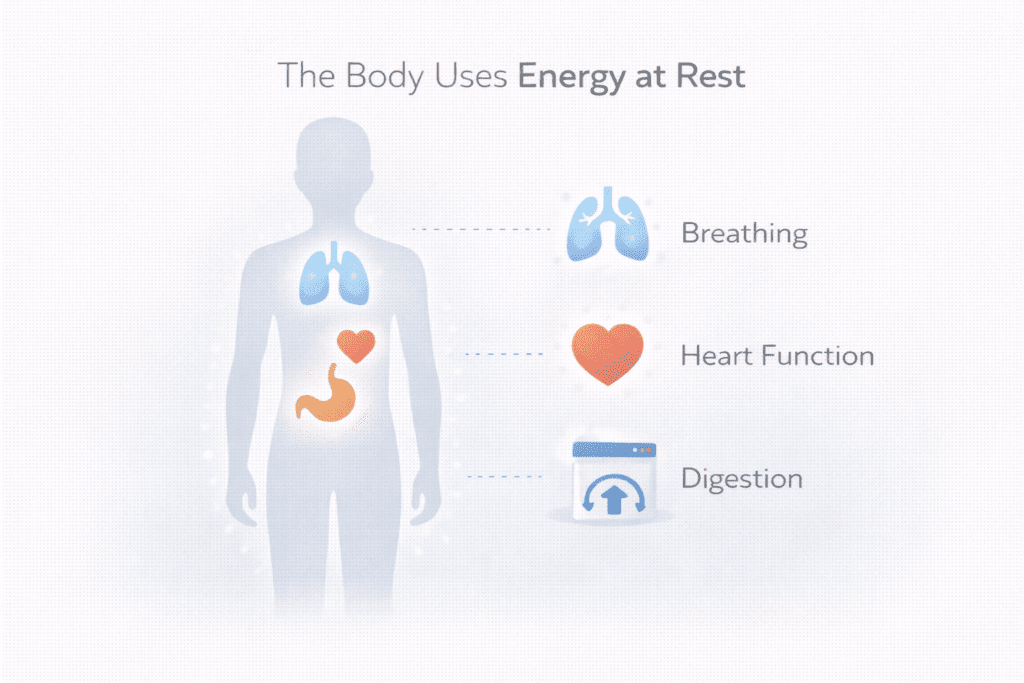
Metabolism doesn’t suddenly slow at a specific age. It changes gradually, but those changes become more noticeable after 30. One reason is how the body uses energy at rest. The basal metabolic rate reflects how many calories the body burns just to keep systems running, even at rest. As this rate shifts, the body may burn fewer calories across the day without obvious warning signs.
Another factor is recovery. Stress load tends to increase with work, family, and responsibilities. Cortisol, a stress related hormone, can affect how the body stores fat and how hunger signals behave. Over time, this can contribute to weight gain without overeating.
Lifestyle consistency also becomes harder. Busy schedules can lead people to skip meals, sleep less, or reduce movement. These patterns send signals that energy should be conserved. Instead of burning more calories, the body adapts to protect itself.
Two adults can eat similar meals, but the one with lower daily movement and higher stress may notice changes faster.
It’s important to understand that metabolism doesn’t shut down. Metabolism works to keep the body stable. When conditions change, it adjusts. These adjustments explain why a fast metabolism in earlier years may feel like a slower metabolism later on, even though the system is still functioning.
The Biological Reasons That Slow Down Your Metabolism
When people hear that age affects metabolism, it’s often explained in a vague way. In reality, several specific biological changes work together. None of them are dramatic on their own, but combined, they help explain what slows down your metabolism over time.
Age Related Muscle Loss and Reduced Metabolic Demand
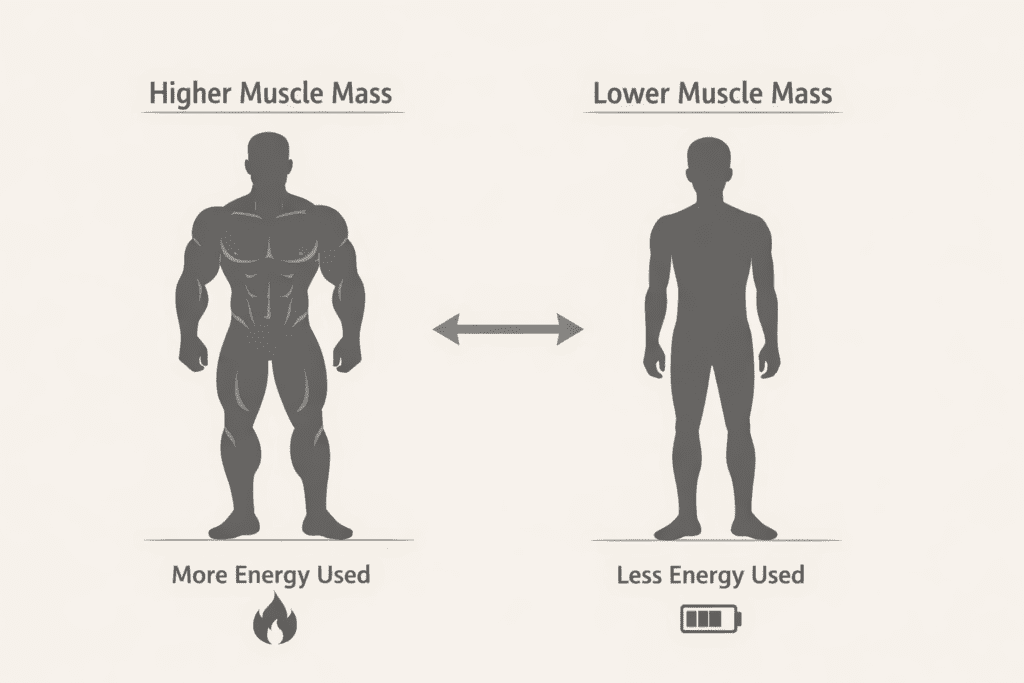
One of the most important changes involves muscle mass. Muscle tissue requires more energy than fat, even when you’re not moving. As adults get older, especially after 30, small amounts of muscle are often lost each year if the body isn’t challenged regularly.
With less muscle mass, the body burns fewer calories throughout the day. This affects metabolic rate quietly. You don’t feel it happen, but over time it adds up. The number of calories your body needs just to function can decrease, making it easier to gain weight without eating more.
This is also why strength training and resistance exercises are often discussed in health information related to metabolism. Muscle requires more energy to maintain, which helps keep the body using energy more consistently.
Hormonal Changes Affecting Energy Regulation
Hormones influence how the body uses and stores energy. After 30, hormone levels don’t stop working, but they may shift. These changes can affect appetite, energy levels, and how fat is stored.
Leptin is a hormone that helps signal fullness. When that signal becomes less effective, hunger cues can feel less predictable. Thyroid function also plays a role. The thyroid helps regulate metabolic processes, and conditions like hypothyroidism can affect how quickly the body uses energy. Not everyone experiences thyroid issues, but even mild changes can influence daily energy balance.
Hormonal imbalances can also interact with insulin resistance. This affects how the body handles carbohydrate intake and blood sugar, which can influence whether calories are used for energy or stored.
Changes in Insulin Sensitivity and Blood Sugar Control
Insulin helps move sugar from the bloodstream into cells so the body can use it for energy. Over time, cells may respond less efficiently. This doesn’t automatically mean disease, but it can affect how the body processes food into energy.
When insulin sensitivity declines, the body may store more calories instead of using them right away. This can be a cause of weight gain even when eating habits haven’t changed much. Eating too few calories or relying on extreme diets can make this response stronger, because the body shifts into conservation mode.
The body breaks food into usable fuel differently when blood sugar control is off. This can lead to fatigue, which often reduces physical activity and contributes to a slow metabolism over time.
Gut Health Shifts Influencing Calorie Processing and Energy Use
The digestive system plays a role in metabolism that’s often overlooked. Gut health affects how food and drinks are processed and how nutrients are absorbed. Changes in gut bacteria can influence how efficiently calories are used.
These shifts can affect fat metabolism and overall energy balance. They don’t act alone. Stress, sleep, hydration, and food choices all influence how the digestive system functions. Even mild dehydration can impact digestion and how the body uses energy.
Supporting gut health usually involves consistency rather than drastic changes. Balanced meals, enough water, and regular eating patterns help support a healthy metabolism without stressing the body.
Lifestyle Factors That Contribute to a Slower Metabolism

Biology explains part of the picture, but daily habits often play an equally strong role. Over time, lifestyle patterns can quietly influence how the body uses energy. Together, these factors help explain what slows down your metabolism, even when there’s no obvious change in effort.
Reduced Daily Movement and Sedentary Routines
Many adults move less than they realize. Workdays often involve long hours of sitting, and free time can be spent resting or using screens. Even people who exercise a few times a week may still have low overall physical activity.
When movement drops, the body adapts by burning fewer calories across the day. This affects how the body uses energy, not just during workouts but during normal routines. Over time, this adjustment can contribute to a slow metabolism without noticeable warning signs.
Movement also helps preserve muscle mass. Without regular use, muscle gradually declines, which lowers how many calories the body burns at rest. This shift helps explain why daily movement matters just as much as formal exercise.
Chronic Stress and Elevated Cortisol Levels
Stress is part of modern life, but ongoing stress affects the body in subtle ways. Cortisol, a hormone released during stress, helps the body respond to challenges. When stress becomes constant, cortisol can influence appetite, energy use, and fat storage.
High stress can cause the body to store energy rather than release it. Over time, this can lead to weight gain and make it harder to lose weight, even when calorie intake doesn’t seem excessive. Stress can also affect sleep and motivation, which further reduces physical activity.
Some people respond to stress by skipping meals or eating irregularly. These patterns signal the body to conserve energy, which can slow your metabolism as a protective response.
Poor Sleep Quality Affecting Metabolic Balance
Sleep has a strong connection to metabolism. Getting seven to nine hours of rest helps regulate hormones tied to hunger and fullness. When sleep quality is poor, those signals can become less reliable.
Lack of sleep can increase appetite and cravings while lowering energy levels. This makes it harder to stay active during the day. Over time, the body may burn fewer calories and shift toward energy conservation.
Quality sleep doesn’t require perfection. Consistent bedtimes, reduced evening stress, and enough rest support a healthier metabolic rate and overall balance.
Inconsistent Eating Patterns and Hydration Habits
Eating patterns influence how the body responds to energy intake. Skipping meals or eating too few calories can cause the body to adapt by lowering energy use. This response is meant to protect the body but can work against long term goals.
Hydration also matters. Drinking enough water supports digestion and helps the body use energy efficiently. Even mild dehydration can affect how calories are processed and how hunger signals feel.
Consistency helps the body feel stable. Regular meals, enough water, and balanced choices help support metabolism without triggering stress responses.
How What Slows Down Your Metabolism Affects Weight Loss
When metabolism adapts, weight loss often feels more difficult. This doesn’t mean effort is wasted. It means the body is responding to long term patterns.
As the body burns fewer calories, progress may slow even when habits stay consistent. Fatigue can increase, leading to lower activity levels without people noticing. Appetite cues may also shift, making cravings less predictable.
Over time, these small changes add up. Understanding this connection helps set realistic expectations and reduces frustration when results don’t happen quickly.
Practical Ways to Support Metabolism in a Sustainable Way

Once it’s clear what slows down your metabolism, the next step is deciding how to support it without extremes. For most adults after 30, steady routines tend to work better than pushing harder for short periods.
Consistency matters more than intensity. Regular physical activity helps the body burn energy in a predictable way. This includes daily movement and simple strength training, which can help build muscle and support metabolic balance. Muscle requires more energy, so even small improvements here can influence how many calories the body uses across the day.
Digestion and hydration also play a role. The body processes food and drinks more efficiently when routines are steady. Drinking enough water supports digestion, and eating regular meals helps avoid signals that cause your body to slow energy use. Skipping meals or cutting calories aggressively can lead the body to conserve energy, which may reduce how many calories you burn over time.
Stress management and sleep deserve attention too. Quality sleep supports hormones tied to appetite and energy use. Ongoing stress can push the body into conservation mode, making fat loss feel harder. Creating space for recovery helps keep your body stable rather than reactive.
Two people with similar diets can see different results when one sleeps well and moves regularly while the other doesn’t.
Some adults also explore optional daily wellness support alongside these habits. For example, Nagano Tonic is sometimes mentioned in discussions around digestion and routine support. It’s viewed as an optional addition, not a fix, and it doesn’t replace consistent habits like movement, hydration, and rest.
Common Myths About What Slows Down Your Metabolism
One common myth is that metabolism completely shuts down after 30. In reality, metabolism adapts. The body adjusts how it uses energy based on routine, stress, and recovery.
Another myth is that eating less is always the answer. Eating too little can cause the body to conserve energy and burn fewer calories. This response can slow progress rather than improve it.
There’s also a belief that only intense workouts matter. While exercise helps, daily movement often has a larger impact on how many calories the body burns over time.
Finally, some people believe one supplement can instantly restore metabolic rate. Metabolism depends on many systems working together. No single product can override sleep, stress, and daily habits.
What to Expect When You Start Supporting Metabolism After 30
Progress is usually gradual. Energy levels may improve before weight changes. Some weeks the scale moves, other weeks it doesn’t. That variation is normal.
Supporting metabolism is about long term patterns. Over time, consistent routines help the body feel safer using energy instead of storing it. This supports weight management in a realistic way.
Patience matters. Extreme approaches often lead to burnout, while small, steady changes tend to last longer.
FAQs About What Slows Down Your Metabolism
What slows down your metabolism the most after 30?
Reduced daily movement, muscle loss, stress, and sleep changes are common factors.
Is it normal for metabolism to slow down with age?
Yes. Metabolism naturally adapts over time, but it doesn’t stop working.
Can stress slow down your metabolism over time?
Ongoing stress can influence hormones that affect energy use and fat storage.
Does poor sleep affect what slows down your metabolism?
Yes. Poor sleep can disrupt appetite signals and energy balance.
Can gut health play a role in metabolic slowdown?
Digestive changes can influence how calories are processed and used.
Why does weight gain happen even without overeating?
The body may burn fewer calories due to lower activity, stress, or muscle loss.
Does eating less slow down your metabolism further?
Eating too little can signal the body to conserve energy.
How long does it take to notice metabolic improvements?
Changes usually happen gradually over weeks or months.
Can daily movement help counter what slows down your metabolism?
Yes. Regular movement supports consistent energy use.
Is a slower metabolism permanent after 30?
No. Habits can influence how efficiently the body uses energy.

One Last Thought
Understanding what slows down your metabolism helps reduce frustration and self blame. After 30, the body responds best to steady routines and realistic habits rather than extremes. Some people choose to learn more about optional wellness tools like Nagano Tonic through informational breakdowns that explain how they’re designed and who they’re meant for, but the foundation remains daily movement, sleep, hydration, and patience. For personal decisions, many readers also choose to consult a health care provider.