
Many adults turn to running when belly fat becomes harder to lose after 30. It feels straightforward. Run more, burn calories, and the fat should come off. But if you’ve been consistent and still notice stubborn belly fat, it can feel confusing.
The idea that running burn belly fat directly is often oversimplified online. Running is an effective aerobic workout, but fat loss doesn’t work in a targeted way. The body doesn’t choose where fat comes from just because a certain muscle group is active. That’s where expectations and reality start to drift apart.
After 30, results can vary widely even when effort stays the same. Metabolism changes, recovery slows, and stress levels tend to rise. All of this affects how the body uses calories and stores fat. Running can support losing weight and overall fat loss, but it doesn’t guarantee changes around the belly on its own.
This article breaks down what actually happens. No hype. No promises. Just a clear look at running, belly fat, and why progress often feels slower after 30.

Why Belly Fat Becomes More Stubborn After 30
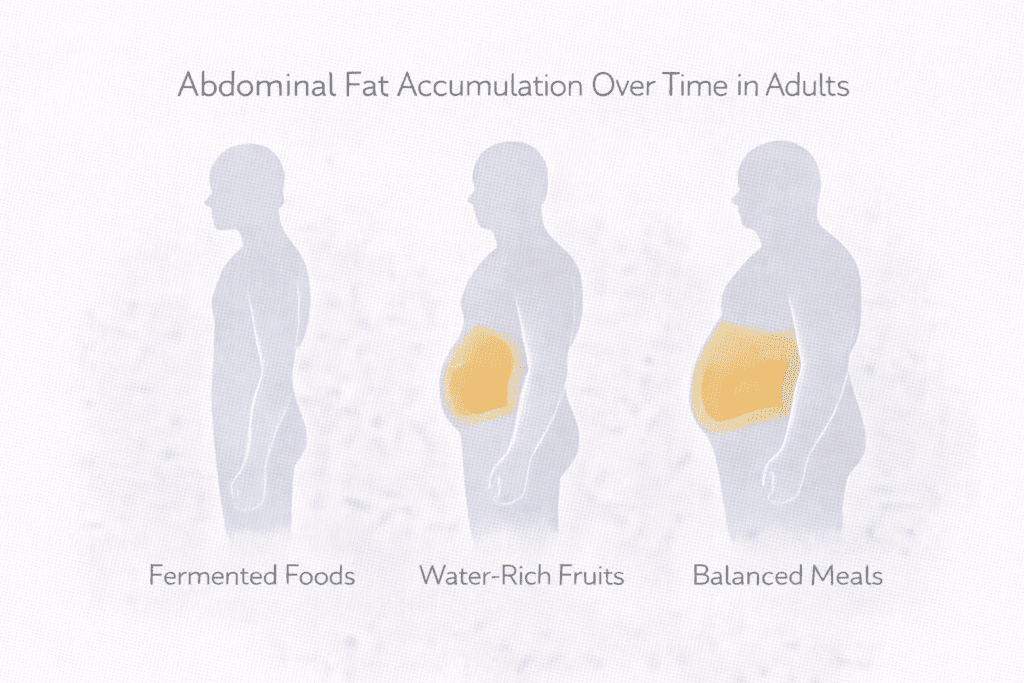
Belly fat isn’t just about appearance. It’s often linked to deeper changes in how the body stores fat. After 30, fat storage patterns can shift toward the midsection, especially around the abdominal area.
One reason is hormonal change. Stress hormones rise more easily and stay elevated longer. This can influence where fat is stored, often favoring visceral fat around the belly. Visceral fat behaves differently than subcutaneous fat and is more resistant to change.
Another factor is daily movement. Many adults move less than they realize. Even with regular running, long hours of sitting can reduce overall physical activity. This affects calorie burn across the day, not just during a workout.
Recovery also plays a role. Poor sleep and limited recovery time can interfere with fat burning and increase appetite. Over time, these patterns make losing belly fat feel harder, even when effort stays consistent.
Belly fat is notoriously slow to respond because it reflects long term patterns, not just exercise sessions. That’s why focusing on one activity alone often leads to frustration.
Lifestyle Factors That Affect Running and Belly Fat Loss
Running matters, but lifestyle factors often decide whether progress shows up around the midsection. After 30, these factors can amplify or limit the effects of training.
Stress Levels and Cortisol Influencing Belly Fat

Stress doesn’t just affect mood. It affects how the body stores fat. Elevated cortisol can push fat storage toward the abdominal area, making belly fat harder to change even with regular running.
When stress stays high, the body may hold on to energy. Appetite can increase, recovery can slow, and fat burning becomes less efficient. Running helps manage stress for many people, but excessive training without recovery can have the opposite effect.
Two runners can log the same miles, but the one under constant stress may see slower changes around the belly.
Sleep Quality Affecting Fat Burning Efficiency

Sleep plays a quiet but powerful role. Poor sleep can disrupt appetite signals and increase cravings. It can also reduce energy for movement, which lowers daily calorie burn outside of workouts.
Even with consistent running, limited sleep can blunt fat loss. The body prioritizes recovery and energy conservation when rest is lacking, which affects how belly fat responds over time.
Recovery Time and Overtraining Concerns
Recovery matters more after 30. Running too often without rest can raise stress hormones and increase fatigue. This doesn’t mean running is bad. It means balance matters.
Spacing workouts, mixing intensities, and allowing rest days helps the body adapt. When recovery improves, fat loss signals tend to work more smoothly.
Diet Consistency Supporting or Limiting Results
Running increases calorie use, but diet consistency determines whether that leads to fat loss. Large swings in eating patterns can cancel out the benefits of training.
This isn’t about restriction. It’s about steady intake that supports energy needs. When fueling is inconsistent, the body may resist releasing stored fat, including belly fat.
How Running Impacts Weight Loss and Metabolism

Running supports weight loss through overall energy use, not targeted fat removal. That distinction matters.
Running increases calorie burn during workouts and supports metabolic health over time. It also improves cardiovascular fitness and helps maintain routine physical activity. These benefits add up, especially when running is consistent.
However, short term weight changes often reflect water shifts rather than fat loss. Long term fat changes happen slowly. This is why people may feel discouraged when the scale stalls even though running habits stay solid.
Consistency matters more than speed or distance after 30. Moderate, repeatable routines tend to support better results than pushing hard for short periods. Running helps create the conditions for fat loss, but it works best as part of a steady lifestyle rather than a standalone fix.
Practical Ways to Support Belly Fat Loss Alongside Running

Running can be a helpful foundation, but belly fat loss usually responds better when running is paired with supportive habits. After 30, the body tends to reward balance more than intensity.
Combining running with strength training and daily movement often leads to better results. Strength focused workouts help maintain muscle mass, which supports metabolism and overall fat loss. Daily movement outside of formal workouts also matters. Long periods of sitting can reduce the benefits of regular running, even when workouts feel consistent.
Stress management plays a larger role than many people expect. High stress can interfere with fat burning and encourage fat storage around the midsection. Simple recovery habits, such as lighter training days and mental downtime, help the body respond better to exercise.
Digestion and metabolic balance matter too. Regular meals, hydration, and steady routines help the body use energy more predictably. Some people also explore gentle daily wellness support as part of a broader routine. Ikaria Lean Belly Juice is sometimes included in these discussions as optional support alongside lifestyle habits focused on digestion and metabolic balance, rather than relying on running alone.
Common Myths About Whether Running Burn Belly Fat
One common myth is that running directly targets belly fat. It doesn’t. Running supports overall fat loss, not spot reduction.
Another belief is that longer runs always lead to better belly fat results. Long runs burn calories, but excessive volume without recovery can raise stress and slow progress.
Some people think running alone is enough after 30. In reality, running works best when paired with strength work, sleep, and stress control.
There’s also the expectation that belly fat loss should happen quickly with cardio. Belly fat is often the last area to change, even with consistent effort.
What to Expect When Running for Fat Loss After 30
Body composition changes tend to be gradual. Early progress may show up as improved endurance or energy before visible fat changes appear. Plateaus are common and don’t mean running isn’t working.
Weight can fluctuate from week to week. Water shifts, recovery, and stress all influence short term changes. Over time, steady routines matter more than perfect workouts.
Some runners also look for additional context on digestion or metabolic support as they build sustainable habits. Informational resources that discuss tools like Ikaria Lean Belly Juice are sometimes explored for education, but they remain optional and secondary to lifestyle consistency.
FAQs About Whether Running Burn Belly Fat
Does running burn belly fat specifically?
No. Running supports overall fat loss, but the body decides where fat is lost from.
Why doesn’t belly fat disappear even with regular running?
Hormones, stress, sleep, and genetics all influence how belly fat responds.
Can running burn belly fat after 30?
Running can contribute to fat loss after 30, but results depend on recovery and lifestyle factors.
How often should you run to support fat loss?
Consistency matters more than frequency. Sustainable routines tend to work better long term.
Does slow running burn belly fat differently than fast running?
Different intensities burn calories differently, but neither targets belly fat directly.
Can stress stop running from burning belly fat?
High stress can interfere with fat loss, even with consistent running.
Is running better than walking for belly fat loss?
Both support calorie burn. The best option is the one that can be maintained consistently.
How long does it take to see belly fat changes from running?
Changes usually appear over months, not weeks.
Does diet affect whether running burn belly fat?
Yes. Diet consistency strongly influences fat loss results.
Is belly fat loss permanent once it’s gone?
Fat loss can be maintained with consistent habits, but changes can return if routines shift.
One Last Thought
Running can be a useful tool for improving fitness and supporting weight management, but whether running burn belly fat depends on much more than exercise alone. After 30, steady habits, recovery, digestion support, and realistic expectations often matter more than speed or mileage. When running is part of a balanced routine, results tend to feel more sustainable and less frustrating.