
Is caffeine good for weight loss once you’re past 30, or does it just feel helpful because energy is lower than it used to be? A lot of adults ask this when morning fatigue creeps in and progress starts to slow. The question comes up more often as routines get busier and recovery feels harder.
Caffeine has a real effect on alertness and energy, but its role in weight management is often overstated. After 30, results vary widely based on sleep, stress, tolerance, and daily habits. Understanding what caffeine actually does, and what it does not do, helps set realistic expectations.

Why Caffeine and Weight Loss Become a Bigger Topic After 30
After 30, the body changes in subtle ways. Metabolism can feel less responsive. Recovery takes longer. Fatigue shows up more easily, especially with work and family demands. This is one reason caffeine becomes more appealing.
Many adults rely on a cup of coffee to get moving in the morning or push through an afternoon slump. Coffee consumption often increases during this stage of life, not just for enjoyment, but for function. Caffeine is a stimulant, so it can stimulate the nervous system and create a short term effect on energy.
Another factor is routine disruption. Sleep quality may decline, and stress levels may rise. When energy feels inconsistent, people naturally look for something that promises a positive effect on focus and motivation. That’s where questions about whether caffeine good for weight loss start to gain traction.
It’s also important to note that tolerance develops. The same amount of caffeine that once felt energizing may feel less noticeable over time. This changes how caffeine intake affects daily energy and, indirectly, weight related habits.
The Biological Reasons Caffeine Influences Weight Loss
Caffeine doesn’t work by magic. Its influence comes from how it interacts with the body’s systems. These effects are real, but they’re limited.
How Caffeine Affects the Central Nervous System
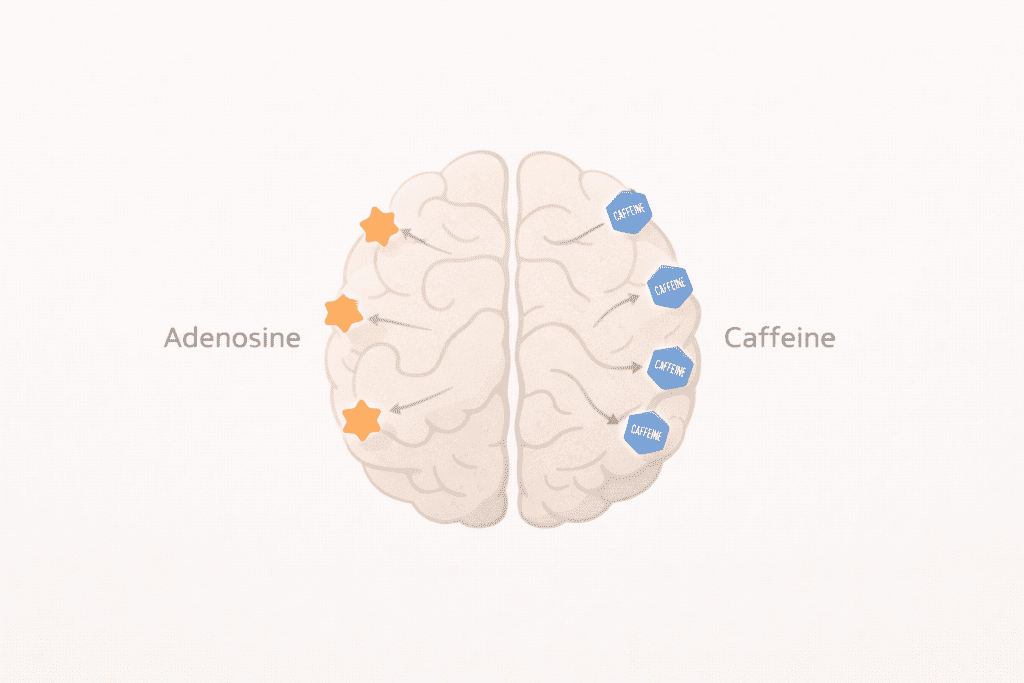
Caffeine acts on the central nervous system by blocking adenosine, a chemical that promotes relaxation. This is why caffeinated drinks can increase alertness and reduce the feeling of tiredness.
Because of this, caffeine affects perceived energy more than actual energy stores. It can make activity feel easier, which may support movement. That indirect effect is often confused with direct fat loss.
Short Term Increases in Energy Expenditure
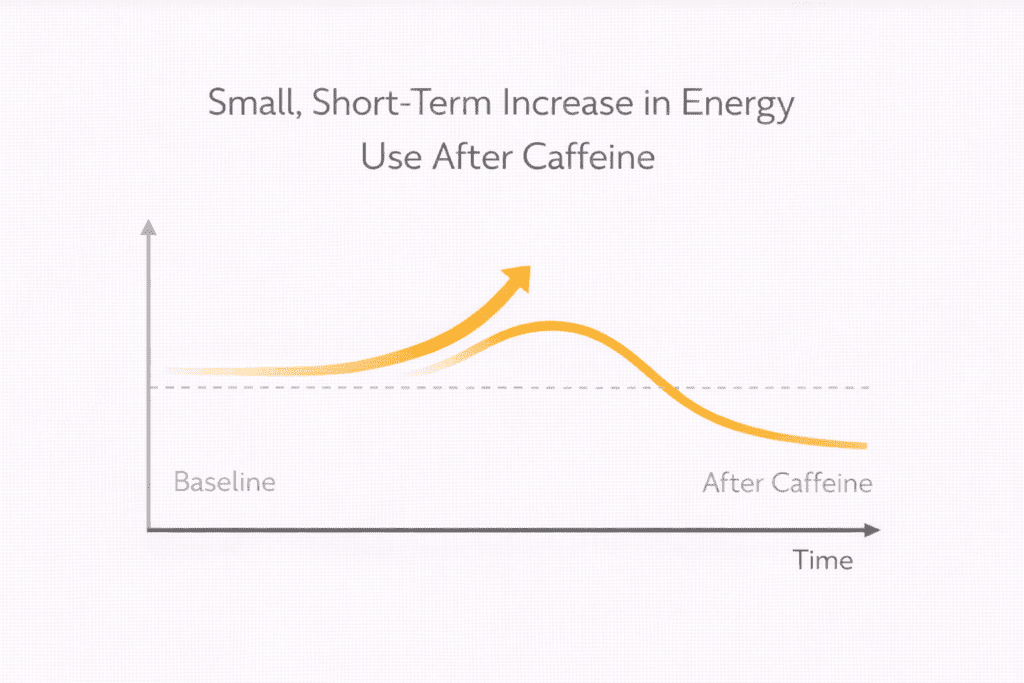
Caffeine may slightly increase energy expenditure for a short time. Research has shown small changes in calorie burn after caffeine consumption, partly due to thermogenesis.
This does not mean caffeine burns body fat on its own. The increase is modest and temporary. For most people, it does not dramatically change resting metabolic rate or rmr in a meaningful way.
Fat Mobilization Versus Actual Fat Loss
Caffeine may help release fatty acids into the bloodstream. This is sometimes described as promoting fat loss, but mobilization is not the same as losing fat mass.
If those released fats are not used for energy, they can be stored again. This is why caffeine alone does not lead to lasting changes in body fat without supportive habits.
Tolerance Development and Reduced Metabolic Response
Over time, the body adapts. Response to caffeine becomes weaker as tolerance builds. The same cup of coffee that once felt powerful may feel routine.
As tolerance increases, the effects of caffeine on energy and calorie burn tend to decrease. This is one reason caffeine good for weight loss is often overstated in long term discussions.
Lifestyle Factors That Affect Whether Caffeine Is Good for Weight Loss
Even when caffeine has a measurable effect, lifestyle factors usually determine whether it actually supports progress. After 30, these factors often matter more than the stimulant itself.
Sleep Quality and Caffeine Timing

Sleep quality has a strong influence on weight management. When sleep is short or fragmented, appetite signals can shift and energy levels drop. This often leads people to rely more heavily on caffeine to get through the day.
Timing matters here. Using caffeine too late can interfere with sleep, which creates a cycle. Poor sleep leads to more caffeine, and more caffeine makes sleep worse. Over time, this can work against fat loss rather than support it.
For some adults, caffeine earlier in the day supports focus without affecting sleep. For others, even small amounts later on can cause restlessness. This difference in response explains why caffeine good for weight loss looks very different from person to person.
Stress Levels and Cortisol Interaction
Stress changes how the body responds to stimulants. When stress is high, caffeine may amplify feelings of tension rather than improve performance. Cortisol, a stress related hormone, can influence appetite and body fat storage.
In high stress situations, caffeine may increase nervousness instead of energy. This can lead to disrupted eating patterns or reduced recovery. In these cases, caffeine consumption may indirectly contribute to weight gain rather than help with weight loss.
Managing stress helps caffeine work as intended. Without that balance, the effect on energy and focus becomes less predictable.
Physical Activity and Daily Movement
Caffeine tends to work best when paired with movement. It can support motivation or physical performance during exercise, especially aerobic activity. This is one reason caffeine is often discussed in workout contexts.
However, caffeine does not replace physical activity. If daily movement is low, the small increase in energy expenditure from caffeine is unlikely to matter. Caffeine may help you move more, but it does not create fat loss on its own.
This distinction is important. Caffeine supports habits. It does not override inactivity.
Diet Quality Alongside Caffeine Intake
Diet quality shapes how caffeine affects the body. Consuming caffeine alongside balanced meals leads to a different response than using it on an empty stomach or with highly processed foods.
Extra calories from sugar laden drinks can offset any small calorie burn from caffeine. Energy drinks, in particular, can add calories quickly without improving satiety. In these cases, caffeine intake may undermine weight goals instead of supporting them.
When caffeine is part of a consistent routine with regular meals, it tends to feel more stable and less disruptive. That stability matters more after 30.
How Caffeine Impacts Weight Loss and Metabolism
Caffeine has a limited but measurable influence on metabolism. Understanding those limits helps set realistic expectations.
Caffeine may slightly increase calorie burn for a short period. Some studies have shown a small rise in resting metabolic rate after caffeine intake. This effect is modest and varies by person.
Caffeine can also affect appetite in the short term. Some people notice reduced hunger for a brief window. This can help with weight loss if it supports consistent eating patterns. However, appetite suppression does not always last, and it does not guarantee fat loss.
Over time, tolerance reduces these effects. As the body adapts, the same amount of caffeine leads to a weaker response. This is why caffeine good for weight loss is often helpful early on but less noticeable later.
Most importantly, caffeine does not override poor habits. It cannot compensate for low sleep, high stress, or inconsistent nutrition. Its role is supportive at best, not corrective.
Practical Ways to Use Caffeine More Realistically

Using caffeine well is less about pushing limits and more about supporting consistency. After 30, the body often responds better to steady routines than to stronger stimulation.
For many adults, caffeine works best as a focus aid rather than a fat loss tool. A morning cup of coffee can help establish structure. It may support movement, planning meals, or staying consistent with daily habits. That indirect support is usually more valuable than any small metabolic effect.
Timing matters. Caffeine taken too late in the day can interfere with sleep, which can quietly slow progress. Poor sleep affects appetite, energy, and recovery. Protecting sleep often does more for weight management than increasing caffeine intake.
Moderation also plays a role. Increasing the amount of caffeine to chase stronger effects often leads to diminishing returns. As tolerance builds, benefits fade while side effects increase. Keeping intake steady tends to feel more sustainable over time.
Caffeine also works best alongside nutrition and movement. Using caffeine without eating regular meals or without daily activity often leads to energy crashes later. Pairing caffeine with balanced food and consistent movement supports a more stable rhythm.
Some people also include options like Java Burn as part of a broader routine focused on metabolism awareness and daily structure. It’s typically viewed as optional support rather than a solution, and it doesn’t replace sleep, nutrition, or movement habits.
A single, consistent caffeine routine often feels more supportive than repeatedly increasing intake throughout the day.
Common Myths About Whether Caffeine Is Good for Weight Loss
One common myth is that caffeine directly burns body fat. While caffeine can influence alertness and energy, it does not target fat stores on its own.
Another myth is that more caffeine always means better results. Higher intake often increases nervousness, sleep disruption, or stress without improving outcomes.
Some people believe caffeine works the same at every age. After 30, tolerance, sleep sensitivity, and stress response often change, which alters how caffeine feels and functions.
There’s also the idea that caffeine can replace diet and exercise. It can’t. At best, caffeine supports habits that already exist. It doesn’t create progress on its own.
What to Expect When Using Caffeine for Weight Support After 30
Caffeine tends to feel most noticeable at first. Early on, it may improve alertness, focus, or motivation. For some adults, that short term lift supports better routines, like getting a workout done or sticking to planned meals.
Over time, adaptation happens. Tolerance reduces the impact, and the same amount of caffeine produces a smaller response. This is normal. It’s one reason progress can stall if expectations stay tied to the initial boost.
Moderation usually works better than escalation. Keeping intake steady and avoiding late day use can help protect sleep, which plays a larger role in weight management than most stimulants ever will. When sleep and stress are stable, caffeine’s role feels supportive rather than disruptive.
A consistent morning routine with one caffeinated beverage often feels steadier than chasing multiple boosts throughout the day.
Some people also choose to read more about optional tools like Java Burn through informational pages that focus on daily structure and metabolism education. These resources are typically explored for awareness, not as substitutes for sleep, nutrition, or movement.
FAQs About Whether Caffeine Good for Weight Loss
Is caffeine good for weight loss after 30?
Caffeine can offer small, temporary support for energy and focus. Long term results depend more on habits like sleep, diet, and movement.
How does caffeine affect metabolism as you age?
Caffeine may briefly influence metabolism, but the effect often becomes less noticeable with age due to tolerance and lifestyle factors.
Can caffeine help with fat burning?
Caffeine can increase alertness and may slightly affect energy use, but it does not directly burn body fat.
Does caffeine reduce appetite long term?
Any appetite effects are usually short lived. Long term appetite regulation depends on consistent eating patterns.
How much caffeine is reasonable for weight loss support?
Moderate amounts tend to be better tolerated. Excessive intake often disrupts sleep and stress balance.
Can caffeine interfere with sleep and slow progress?
Yes. Poor sleep can undermine weight goals more than caffeine can help.
Is caffeine more effective before exercise?
Some people feel more focused before activity, but results vary based on tolerance and timing.
Does tolerance affect whether caffeine good for weight loss?
Yes. As tolerance increases, caffeine’s impact on energy and metabolism usually decreases.
Can caffeine increase stress and impact results?
In some people, caffeine raises nervousness or stress, which can work against progress.
Is caffeine effective without lifestyle changes?
No. Caffeine works best as support for habits, not as a replacement for them.
One Last Thought
Caffeine can provide brief support for energy and focus, but whether caffeine good for weight loss depends far more on daily habits. After 30, steady routines, quality sleep, and realistic expectations tend to matter more than stimulants. When caffeine is used thoughtfully and in moderation, it can fit into a balanced approach without becoming the focus.