
A common mistake is assuming that feeling more awake means the body is burning more energy. Many adults start to believe caffeine boosts metabolism simply because they feel sharper after a cup of coffee. That feeling is real, but it doesn’t always reflect what’s happening inside the body.
After 30, this confusion becomes more common. Energy dips feel stronger, recovery feels slower, and routines get tighter. As a result, caffeine is often seen as a shortcut for metabolic support, even though its actual role is more limited.

Why Metabolism and Caffeine Become a Bigger Topic After 30

As people move into their 30s, metabolic efficiency can feel less predictable. The body may not respond as quickly to the same habits that once worked. Fat loss slows, and weight gain can happen even when routines feel familiar.
Fatigue plays a big role here. Sleep quality often declines, stress increases, and mental load builds. In response, many people rely more on stimulants to get through the day. A cup of coffee becomes less of a preference and more of a necessity.
Lifestyle demands also affect recovery. Short nights and busy schedules can lower energy expenditure across the day. When energy drops, people naturally wonder if caffeine boosts metabolism enough to offset those changes.
Caffeine is a stimulant, so it can stimulate alertness and focus. That effect can make activity feel easier, which is why coffee may seem linked to better calorie burn. However, feeling energized and changing metabolic rate are not the same thing.
Understanding this difference early helps set realistic expectations. Caffeine can support routines, but it doesn’t correct deeper shifts related to age, sleep, or consistency.
The Biological Reasons Caffeine Can Influence Metabolism
Caffeine does interact with the body’s systems in measurable ways. That’s why it’s often discussed in conversations about energy and metabolic function. Still, the effects are specific and limited, especially after 30.
How Caffeine Stimulates the Nervous System
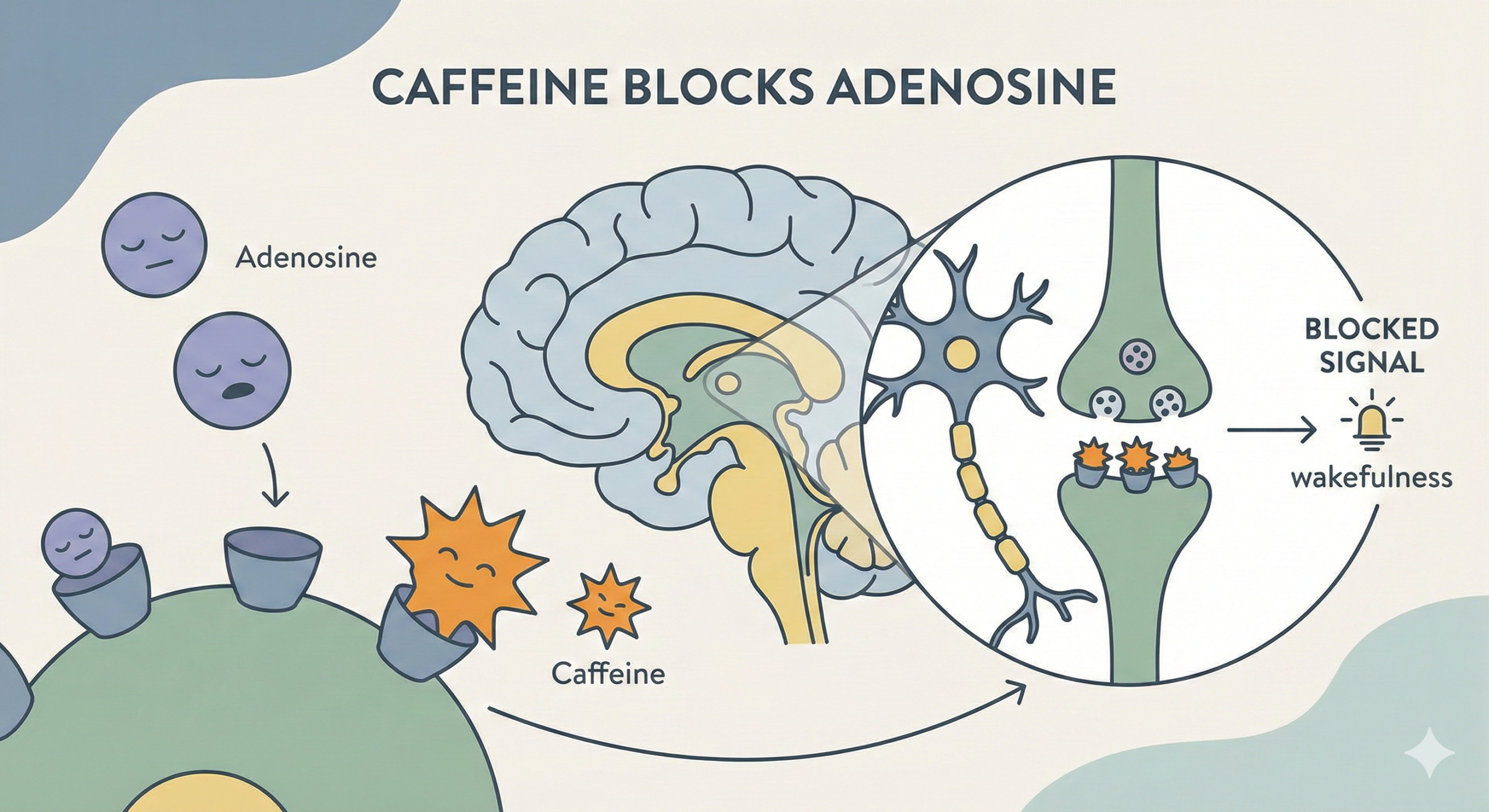
Caffeine is a stimulant that acts on the central nervous system. It blocks adenosine, a chemical that signals rest and fatigue. When adenosine is blocked, alertness increases and tiredness feels reduced.
This stimulation can make movement feel easier. People may walk faster, feel more motivated to exercise, or stay mentally engaged longer. That indirect effect is often mistaken for a metabolic boost, even though the primary change is perception, not energy production.
Short Term Effects on Energy Expenditure
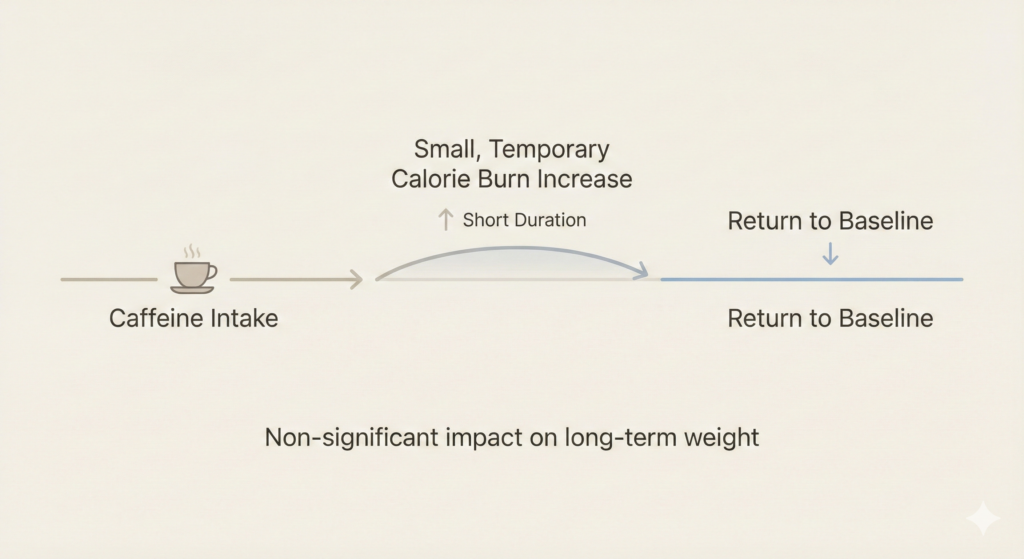
Caffeine can slightly raise energy expenditure for a short period. This is where the idea that caffeine boosts metabolism comes from. Studies show a modest increase in calorie burn after caffeine intake, partly due to increased nervous system activity.
However, the increase is small. It does not dramatically change metabolic rate, and it does not last all day. For most adults, this short term lift fades within hours and does not compound unless habits change alongside it.
Fat Mobilization Versus Sustained Metabolic Change
Caffeine may encourage fat breakdown by increasing the release of fatty acids into the bloodstream. This process is sometimes described as burning fat, but it’s more accurate to call it mobilization.
Mobilized fat still needs to be used as energy. If activity levels stay low or calories remain high, that fat can be stored again. This is why caffeine alone does not lead to lasting reductions in body fat or meaningful changes in fat mass.
Tolerance Development and Reduced Response Over Time
The body adapts quickly to regular caffeine intake. As tolerance develops, the same amount of caffeine produces a weaker response. Alertness effects shrink, and changes in energy expenditure become less noticeable.
After 30, this adaptation often feels stronger. Sleep sensitivity increases, recovery slows, and the response to caffeine becomes less predictable. Over time, relying on caffeine for metabolic support becomes less effective, even if intake stays consistent.
These biological limits explain why caffeine boosts metabolism only in a narrow, temporary way. The body responds, but it also adjusts.
Lifestyle Factors That Affect Whether Caffeine Boosts Metabolism
Even when caffeine has a measurable effect, lifestyle factors usually decide whether that effect shows up in a meaningful way. After 30, these factors often matter more than the stimulant itself.
Sleep Quality and Caffeine Timing

Sleep quality strongly influences how the body uses energy. When sleep is short or fragmented, metabolic efficiency can dip, and fatigue rises. That often leads to higher caffeine intake, which can create a loop.
Timing plays a role. Caffeine consumed later in the day can disrupt sleep, even if it doesn’t feel stimulating at the time. When sleep suffers, any short term calorie burn from caffeine is often offset by lower energy expenditure the next day.
For many adults, caffeine earlier in the day feels more supportive. Used later, it may interfere with recovery and blunt metabolic response rather than enhance it.
Stress Levels and Cortisol Balance
Stress changes how the body responds to stimulants. Under high stress, caffeine can amplify tension instead of improving focus. Cortisol, a stress related hormone, affects how fat is stored and how energy is used.
When stress stays elevated, caffeine may increase jitteriness or make it harder to relax. That can affect appetite, sleep, and consistency. In those conditions, caffeine boosts metabolism becomes less noticeable and less reliable.
Managing stress helps caffeine feel steadier. Without that balance, the same intake can lead to very different outcomes.
Physical Activity and Daily Movement
Caffeine tends to work best when paired with movement. It can make aerobic activity feel easier and support motivation to stay active. That’s why coffee is often linked to workouts or morning routines.
However, caffeine does not replace physical activity. If daily movement is low, the small rise in energy expenditure from caffeine rarely makes a meaningful difference. The body still responds more to how much it moves than to stimulation alone.
When caffeine supports consistent movement, its effects feel more useful. When movement is missing, those effects fade quickly.
Diet Quality Alongside Caffeine Intake
Diet quality shapes how caffeine affects the body. Using caffeine alongside balanced meals leads to a different response than relying on it while skipping food or eating inconsistently.
Extra calories from sweetened drinks can cancel out any small increase in calorie burn. In contrast, moderate coffee intake paired with regular meals tends to feel more stable.
Caffeine works best as part of a routine that already supports energy balance. Without that foundation, its impact on metabolism remains limited.
How Caffeine Impacts Metabolism and Weight Loss
Caffeine can influence metabolism, but the effect is often smaller than people expect. One reason caffeine draws attention is that it may slightly raise calorie burn for a short period. This happens because the nervous system is more active, which increases energy expenditure temporarily.
That short lift does not mean the body suddenly changes how it handles fat. Feeling energized and experiencing a true metabolic shift are not the same thing. In many cases, caffeine helps people move more or stay focused, which indirectly supports calorie burn, rather than directly changing metabolic rate.
It’s also important to separate stimulation from habit change. Caffeine does not override long term patterns related to sleep, stress, or consistency. When those areas are out of balance, the effect of caffeine tends to feel inconsistent or short lived. This is why expectations around whether caffeine boosts metabolism are often overstated.
Practical Ways to Use Caffeine More Realistically

Used thoughtfully, caffeine can support structure rather than act as a fix. Many adults find it helpful for focus, especially in the morning, when routines are being set for the day.
Avoiding excessive intake matters. Too much caffeine can disrupt sleep, increase nervousness, and make recovery harder. Over time, that can work against metabolic balance instead of supporting it.
Pairing caffeine with movement and nutrition habits tends to feel more sustainable. A cup of coffee before a walk or alongside a regular meal often supports consistency better than using caffeine on an empty stomach or relying on it throughout the day.
Some people also include options like Java Burn as part of a broader routine focused on metabolism awareness and daily structure. It’s generally approached as optional support, not a replacement for sleep, movement, or balanced eating.
One steady morning routine with caffeine often supports consistency more than chasing repeated boosts.
Common Myths About Whether Caffeine Boosts Metabolism
A common myth is that caffeine permanently increases metabolism. In reality, any increase is usually short term and adapts over time.
Another belief is that more caffeine leads to faster results. Higher intake often increases side effects without improving outcomes.
There’s also the idea that caffeine works the same at any age. After 30, tolerance, sleep sensitivity, and stress response often change how caffeine feels and functions.
Finally, some people assume caffeine replaces lifestyle consistency. It does not. At best, it supports habits that are already in place.
What to Expect When Using Caffeine for Metabolic Support After 30
Early on, caffeine may feel more noticeable. Focus improves, energy feels steadier, and routines may feel easier to follow. Over time, tolerance reduces these effects.
Moderation tends to work better than escalation. Keeping intake reasonable and avoiding late day use helps protect sleep, which plays a larger role in metabolic health than stimulants.
Consistency matters more than stimulation. When caffeine supports stable routines, its role feels helpful. When it becomes a crutch, benefits fade.
Some readers choose to explore additional educational resources around metabolism and daily habits, including neutral information about products like Java Burn, but these tools remain secondary to lifestyle patterns.
FAQs About Whether Caffeine Boosts Metabolism
Does caffeine boost metabolism after 30?
Caffeine can cause a small, temporary increase in energy expenditure, but the effect is limited and varies by individual. After 30, sleep quality, stress levels, and daily habits usually have a much larger influence on metabolism than caffeine alone.
How long does caffeine affect metabolism after you consume it?
Any metabolic effect from caffeine is typically short term and may last a few hours. It does not create lasting changes in metabolic rate without supportive habits like regular movement and adequate recovery.
Can caffeine help with weight loss on its own?
Caffeine alone is unlikely to lead to meaningful or sustained weight loss. While it may support alertness or activity in the short term, long-term results depend on diet consistency, movement, sleep, and stress management.
Does caffeine help burn fat?
Caffeine may help release fatty acids into the bloodstream, but this does not guarantee fat loss. Those fats still need to be used for energy. Without consistent activity or balanced habits, they can be stored again.
Does caffeine affect appetite?
Some people experience short-term appetite suppression after caffeine, but this effect is usually temporary. Long-term appetite regulation is more strongly influenced by sleep quality, meal timing, and overall diet patterns.
Can caffeine interfere with sleep and slow metabolism?
Yes. Caffeine consumed too late in the day can disrupt sleep quality. Poor sleep can negatively affect energy balance, appetite signals, and metabolic efficiency, which may outweigh any short-term metabolic effect of caffeine.
Does caffeine work better for metabolism before exercise?
Some people feel more focused or energized when caffeine is used before physical activity. This may indirectly support calorie burn through movement, but results vary based on tolerance, timing, and individual response.
Does tolerance reduce caffeine’s metabolic effect?
Yes. With regular use, the body adapts to caffeine. As tolerance builds, both alertness and any small metabolic effects tend to become less noticeable over time.
Can caffeine increase stress and affect weight results?
In some individuals, caffeine can increase nervousness or tension, especially under high stress. Elevated stress may interfere with recovery, sleep, and appetite regulation, which can affect weight management.
Is caffeine useful for metabolism without lifestyle changes?
Caffeine works best as support for healthy routines, not as a replacement for them. Without consistent movement, balanced eating, and good sleep, caffeine’s effect on metabolism is minimal.
One Last Thought
Caffeine can offer short term stimulation and a small metabolic lift, but whether caffeine boosts metabolism depends largely on lifestyle context. After 30, recovery, sleep quality, and steady habits tend to matter far more than stimulants. When caffeine is used in moderation and paired with consistent routines, it can fit into a balanced approach without becoming the focus.