

You finish a short, intense workout and feel completely spent. Later that day, energy dips, but there’s also a sense that something productive happened. Many adults reach this point after trying high effort routines when belly fat becomes harder to shift.
This is often where HIIT for belly fat enters the conversation. The approach sounds efficient, but results after 30 depend less on pushing harder and more on how training fits into recovery, stress, and daily habits.
Understanding How HIIT for Belly Fat Works After 30
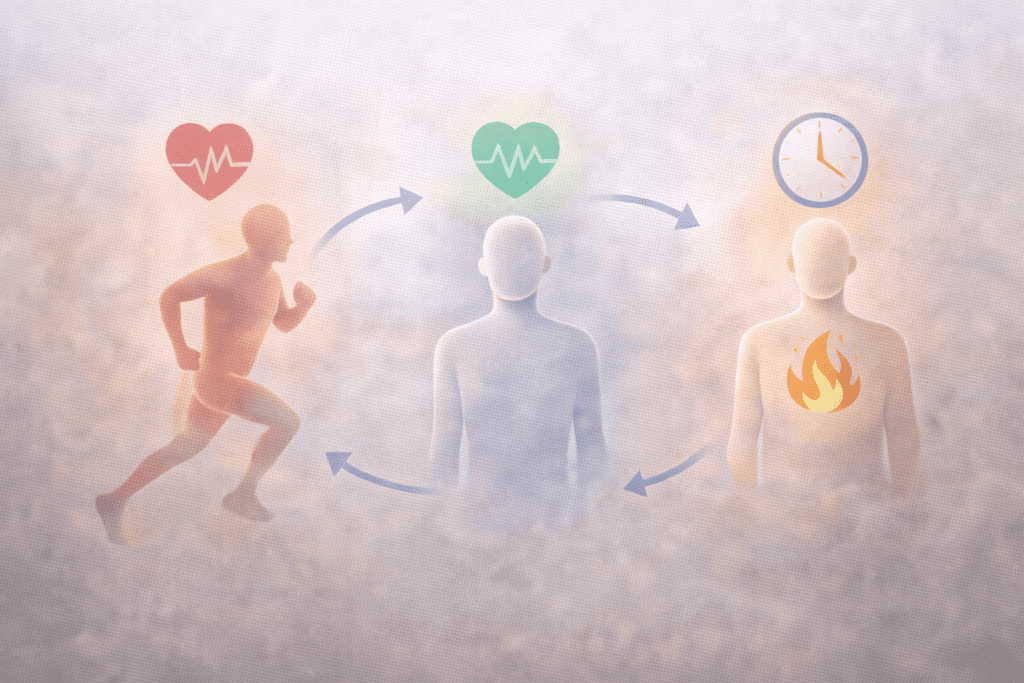
High intensity workouts attract attention because they promise efficiency. Short sessions, minimal equipment, and a strong calorie burn make them appealing, especially when time feels limited.
The problem is that HIIT for belly fat is often misunderstood as a quick fix. In reality, it’s a structured form of exercise that works best when recovery, sleep, and nutrition are also in place.
After 30, age and lifestyle start influencing outcomes more than effort alone. Muscle mass, stress levels, and daily movement patterns all affect how the body responds to a HIIT workout.
Setting realistic expectations helps. HIIT can support fat loss and metabolism, but it doesn’t override poor recovery or chronic stress.
Who This Article Is For
This article is for adults over 30 looking to reduce belly fat safely. It’s also for people returning to exercise after a break and wanting an efficient workout approach.
Those short on time but seeking effective routines may benefit from understanding how HIIT fits into a balanced lifestyle. If your goal is fat loss without extreme training, this information focuses on clarity rather than hype.
Why Belly Fat Becomes More Stubborn After 30

Natural metabolic and hormonal changes begin to show up more clearly with age. These shifts don’t stop fat loss, but they do change how the body stores fat.
Stress exposure often increases after 30. Higher stress slows recovery and encourages fat storage, particularly around the midsection.
Daily movement tends to decrease as work and responsibilities grow. Combined with gradual muscle mass loss, this makes belly fat harder to lose.
Fat storage patterns also shift. The body becomes more likely to hold fat centrally, which explains why the midsection becomes a common frustration point.
The Biological Reasons HIIT for Belly Fat Can Be Effective
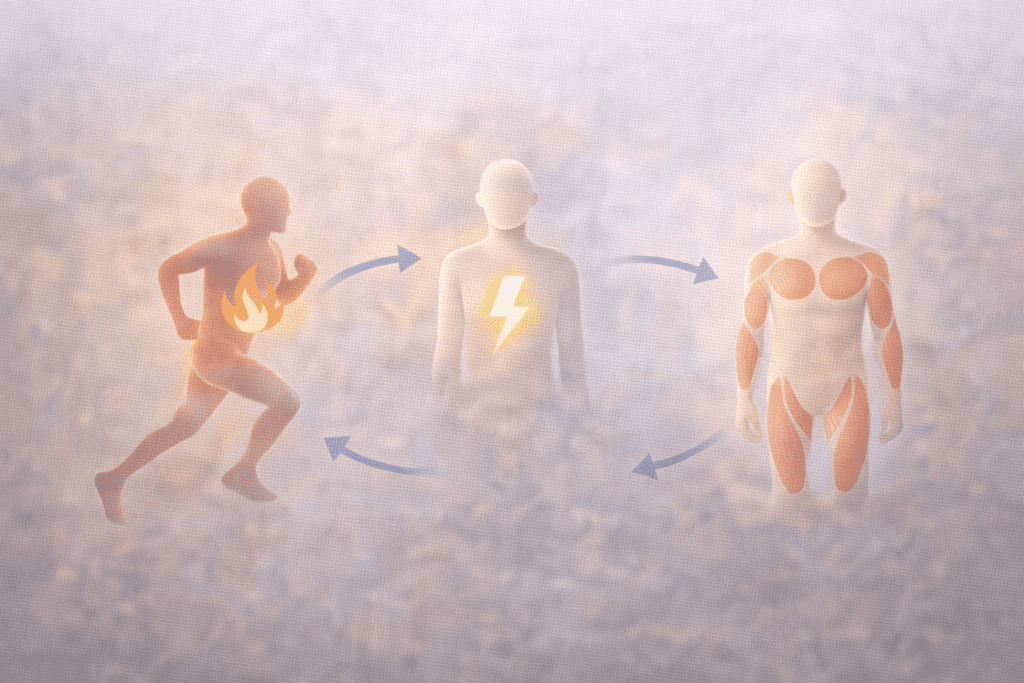
High intensity training works differently than steady exercise. Its structure places unique demands on the body, which helps explain why HIIT for belly fat can support fat loss when used appropriately after 30.
How High Intensity Exercise Affects Calorie Burn
A HIIT workout relies on short bursts of intense exercise followed by brief recovery. These bursts push the heart rate higher than traditional cardio.
Because the effort level is elevated, the body is required to burn calories quickly to meet energy demands. This higher calorie use happens even though the workout itself is relatively short.
Post Exercise Oxygen Consumption and Energy Use
One reason HIIT gets attention is its effect after the workout ends. During recovery, the body continues using extra energy to restore balance.
This process is known as post-exercise oxygen consumption, sometimes described as excess post exercise oxygen use. It means the body continues to burn calories for a period after the session, supporting overall energy expenditure rather than spot fat loss.
Hormonal Responses Linked to Intense Movement
Short bursts of intense exercise trigger temporary hormonal responses. These signals help mobilize stored energy so muscles can keep working.
While this doesn’t directly target belly fat, it supports fat burning across the body. Over time, consistent training paired with recovery can contribute to overall fat loss.
Muscle Engagement Supporting Metabolic Activity
Many HIIT exercises use bodyweight movements that engage multiple muscle groups at once. Squats, mountain climbers, and plank variations require coordination and strength.
Greater muscle involvement increases energy demand and supports metabolism. Maintaining muscle mass becomes especially important after 30, when natural muscle loss can slow progress.
Lifestyle Factors That Influence HIIT Results

Even the most effective HIIT routine depends heavily on what surrounds it. After 30, lifestyle factors often determine whether HIIT for belly fat supports progress or leads to frustration.
Sleep Quality and Recovery Between Workouts
Sleep is where recovery happens. Without enough rest, the body struggles to adapt to intense exercise.
Poor sleep can limit how well muscles repair and how efficiently energy is used. Over time, this slows progress even if workouts feel hard and consistent.
Stress Levels Affecting Fat Loss Response
High stress places additional strain on the body. When stress stays elevated, recovery from exercise becomes harder.
This matters because HIIT already places a strong demand on the nervous system. Stacking intense workouts on high stress days can reduce benefits rather than improve results.
Nutrition Consistency Supporting Training
HIIT requires fuel. Undereating or skipping meals can make workouts feel harder without improving outcomes.
Consistent nutrition supports energy, recovery, and performance. It also helps the body respond better to exercise without pushing it into burnout.
Workout Frequency and Rest Balance
More isn’t always better. Performing HIIT too often can limit recovery, especially after 30.
Spacing sessions allows the body to adapt. Many people find better results with fewer, well timed workouts rather than daily intensity.
Signs HIIT May or May Not Be Right for You
HIIT can be effective, but it isn’t ideal for every situation or season of life.
Energy levels matter. If fatigue feels constant, intense sessions may add stress rather than reduce fat.
Joint comfort is another factor. HIIT exercises often involve impact, which may not suit everyone, especially during periods of low recovery.
Sleep quality and stress load also influence results. When these are off balance, gentler forms of exercise may be more supportive.
HIIT vs Spot Reduction
One common misunderstanding is the idea that exercise can target fat in one specific area.
Why Exercise Cannot Target Fat Loss in One Area
The body decides where fat is released from. Movement cannot force fat loss from the belly alone.
HIIT supports overall fat reduction, not localized changes. This is why visible changes often appear uneven at first.
How HIIT Supports Overall Fat Reduction
By increasing calorie burn and engaging multiple muscle groups, HIIT supports total energy use.
As overall body fat decreases, changes around the midsection may follow. The timing varies between individuals.
Why Belly Fat Responds to Total Lifestyle Balance
Belly fat is influenced by stress, sleep, and recovery. Exercise alone rarely controls it.
This is why results improve when HIIT is paired with supportive habits rather than treated as a quick fix.
How HIIT for Belly Fat Impacts Weight Loss and Metabolism
HIIT is often discussed as a fast way to change body composition, but its real value lies in how it supports broader weight loss patterns rather than instant visual changes.
Why HIIT Supports Overall Fat Loss Rather Than Spot Reduction
A HIIT workout increases total energy use across the body. It does not target one area, but it does help shift how the body uses stored energy over time.
As overall fat levels decline, areas like the midsection may slowly change as part of that larger process.
How Short Workouts Can Improve Metabolic Efficiency
Short, intense sessions ask the body to adapt quickly. These demands can support metabolic efficiency when paired with proper recovery.
This is especially useful for people short on time who still want structured exercise that challenges the system without long sessions.
The Role of Consistency Over Intensity After 30
Intensity alone does not guarantee results. Consistency matters more as recovery slows with age.
A few well placed sessions each week often outperform daily hard workouts that lead to fatigue or skipped training.
Why Recovery Matters as Much as the Workouts Themselves
Recovery allows adaptations to happen. Without it, the body stays in a stressed state.
This can limit fat loss progress and increase injury risk, even when effort feels high.
Practical Ways to Use HIIT Safely and Effectively
Using HIIT well after 30 means adjusting expectations and structure rather than pushing harder.
Choosing Low Impact HIIT Options to Protect Joints
Low impact movements reduce strain while still challenging the heart rate.
This approach supports consistency without unnecessary wear on joints.
Combining HIIT With Strength Training and Daily Movement
Strength training helps preserve muscle mass, while daily movement supports overall activity levels.
Together, they complement HIIT without overloading the body.
Managing Workout Volume to Avoid Burnout
Fewer sessions with better recovery often lead to steadier progress.
Listening to fatigue signals helps avoid plateaus and frustration.
Some people include gentle daily wellness support like Ikaria Lean Belly Juice as part of a broader routine focused on digestion and metabolic balance, rather than relying on exercise alone.
What Doesn’t Improve HIIT Results After 30
Doing HIIT on minimal sleep reduces recovery and performance.
Stacking intense workouts on high stress days often backfires.
Undereating while training hard can stall progress.
Ignoring fatigue signals increases injury risk and burnout.
Common Myths About HIIT for Belly Fat
Myth: HIIT directly targets belly fat
Exercise influences overall fat loss, not specific areas.
Myth: Longer HIIT sessions lead to faster results
Duration does not always equal effectiveness.
Myth: HIIT should be done every day
Daily intensity limits recovery for many adults.
Myth: HIIT works the same at any age
Recovery capacity changes with time and lifestyle.
What to Expect When Using HIIT After 30
Early improvements often show up as better stamina and energy.
Visible fat changes may take longer.
Plateaus are normal and often linked to recovery needs.
Sustainable routines tend to produce better long term results.
Before We Get to the FAQs
Fat loss rarely happens on a straight timeline.
Performance gains often come before visual changes.
Patience supports consistency and long term success.
FAQs About HIIT for Belly Fat
Does HIIT for belly fat really work after 30?
HIIT for belly fat can support overall fat reduction after 30, but results depend on consistency, recovery, and lifestyle factors. It works best as part of a balanced routine rather than a standalone solution.
How often should HIIT be done for belly fat loss?
For many adults, two to three HIIT sessions per week is enough. This allows time for recovery while still supporting fat loss and fitness improvements.
Can HIIT burn belly fat without dieting?
HIIT increases calorie use, but nutrition habits still matter. Exercise alone rarely leads to significant fat changes without consistent eating patterns.
Is HIIT better than steady cardio for belly fat?
HIIT and steady cardio both have benefits. HIIT is time efficient, while steady cardio may feel easier to recover from. The best option is the one you can maintain consistently.
How long does it take to see results from HIIT for belly fat?
Performance and stamina often improve within weeks. Visible belly fat changes usually take longer and vary by individual.
Can stress reduce the effectiveness of HIIT workouts?
Yes. High stress can interfere with recovery and fat loss responses, even when workouts are consistent.
Is HIIT safe for beginners over 30?
HIIT can be safe when scaled appropriately. Starting with low impact movements and shorter sessions helps reduce injury risk.
Does HIIT boost metabolism long term?
HIIT can support metabolic efficiency, but long term effects depend on regular exercise, adequate recovery, and lifestyle habits.
Can poor sleep affect HIIT fat loss results?
Poor sleep limits recovery and can increase fatigue and appetite, reducing the effectiveness of HIIT.
Should HIIT be combined with strength training?
Yes. Strength training supports muscle mass and complements HIIT, especially after 30.
What is high-intensity interval training (HIIT) and how does it help lose belly fat?
High-intensity interval training, or HIIT, mixes short bursts of hard effort with rest periods. These workouts push your body and burn more calories in less time. HIIT can target abdominal fat by increasing calorie burn and fat loss and by creating excess post-exercise oxygen consumption that keeps burning calories after you finish.
Which hiit exercises for belly fat are best for beginners?
If you’re new to HIIT, start with bodyweight exercises like jumping jacks, mountain climbers, and plank holds. Beginners often start with short work intervals followed by rest, adjusting intensity and timing based on comfort and fitness level. This is a simple effective HIIT that helps you build fitness level without weight training.
How long should a HIIT session be to get an effective fat burning workout?
Most HIIT workouts last 15 to 30 minutes. Short, higher-effort sessions are often described as time efficient. When paired with consistent habits, they may support overall fat loss over time.
Can HIIT reduce visceral fat and stubborn belly fat?
Some research suggests HIIT may support reductions in overall body fat, including deeper abdominal fat, when combined with consistent habits. HIIT is especially good at fighting stubborn fat when paired with a healthy diet and regular exercise.
Do I need equipment or can I use bodyweight exercises?
You can do many effective HIIT moves using bodyweight exercises. Plank position, mountain climbers, burpees, and high knees all work. Bodyweight HIIT is a great way to burn calories and build strength without a gym.
How often should I do HIIT to see results and lose fat?
Many adults find benefit from a small number of HIIT sessions each week, with rest days in between to support recovery. Give yourself rest periods and easy days between hard workouts. Over time this routine helps you burn more calories, improve fitness level, and reduce excess belly fat.
What does a HIIT-style interval look like?
HIIT typically alternates short periods of higher effort with brief recovery. The exact movements, timing, and intensity vary based on fitness level and comfort, and should be adjusted to suit individual needs.
How does HIIT compare to steady-state cardio for losing belly fat?
HIIT is often described as time efficient and may increase post-workout energy use compared to some steady-state activities. Steady-state cardio still helps, but HIIT is often chosen for its time efficiency when people want a structured, higher-intensity workout in a shorter session.
Can HIIT help if I also do weight training or ab workouts?
Yes. Combining HIIT with weight training and targeted ab exercise can help you burn fat and build muscle. Weight training raises your resting calorie burn while ab exercises can strengthen your core. Together they make a balanced plan to reduce belly fat.
Are there risks and how do I avoid injury with HIIT?
HIIT places higher demands on the body, so paying attention to form, comfort, and recovery is important. If you feel sharp pain, stop and rest. If you have existing health concerns or are returning after a long break, professional guidance may be helpful.
Important Note on Health and Fitness Safety
This content is for educational purposes only.
Fitness needs, recovery capacity, and health conditions vary between individuals.
Professional guidance may be helpful for injuries, medical concerns, or returning to exercise after a long break.

One Last Thought
HIIT can be a useful tool, but HIIT for belly fat works best when it fits into a balanced lifestyle. After 30, steady routines, recovery, and realistic expectations often matter more than intensity alone.