
Many adults in the U.S. notice a frustrating pattern after 30. They try to eat better. They cut back on sugar. They stay active. Yet fat around the middle becomes harder to control.
What surprises most people is that this isn’t just about calories or willpower. In many cases, blood sugar affects belly fat more than people realize-especially as the body gets older.
At first, the changes are subtle. Clothes feel tighter around the abdominal area. Energy dips after meals. Cravings show up more often, even when eating “normally.” Over time, this pattern can lead to weight gain, especially in the form of abdominal fat.
Here’s what I noticed while researching this topic: many articles jump straight to extreme diets or quick fixes. But that approach skips the real issue. For adults over 30, blood sugar control becomes more important than simply eating less.
This doesn’t mean everyone has a medical problem. It means the body’s systems are changing.

Why Belly Fat Behaves Differently After 30
As people age, the way the body handles blood sugar shifts.
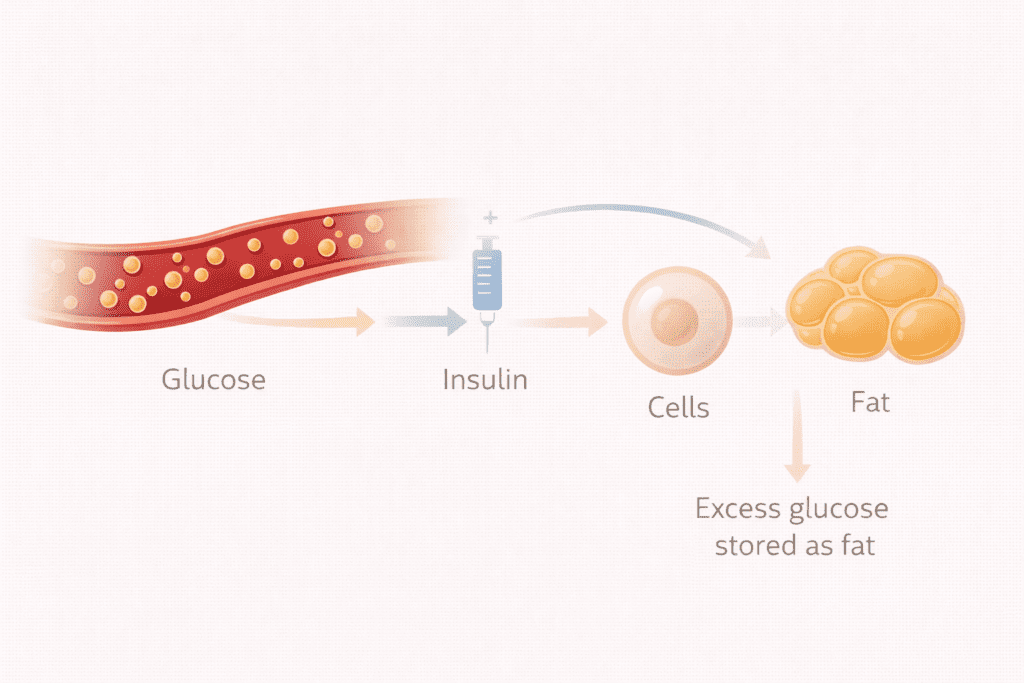
When we eat, food is broken down into glucose. That glucose enters the bloodstream, raising blood sugar levels. The body responds by releasing insulin, a hormone made by the pancreas, to help move sugar into cells for energy.
When this process works smoothly, energy stays steady. But over time, repeated spikes in sugar and insulin can change how the body stores fat.
After 30, the body becomes more sensitive to these spikes. Instead of using all the glucose for energy, the body may start storing more of it as fat-especially around the belly.
The Link Between Insulin and Fat Storage
Insulin plays a central role in where fat ends up.
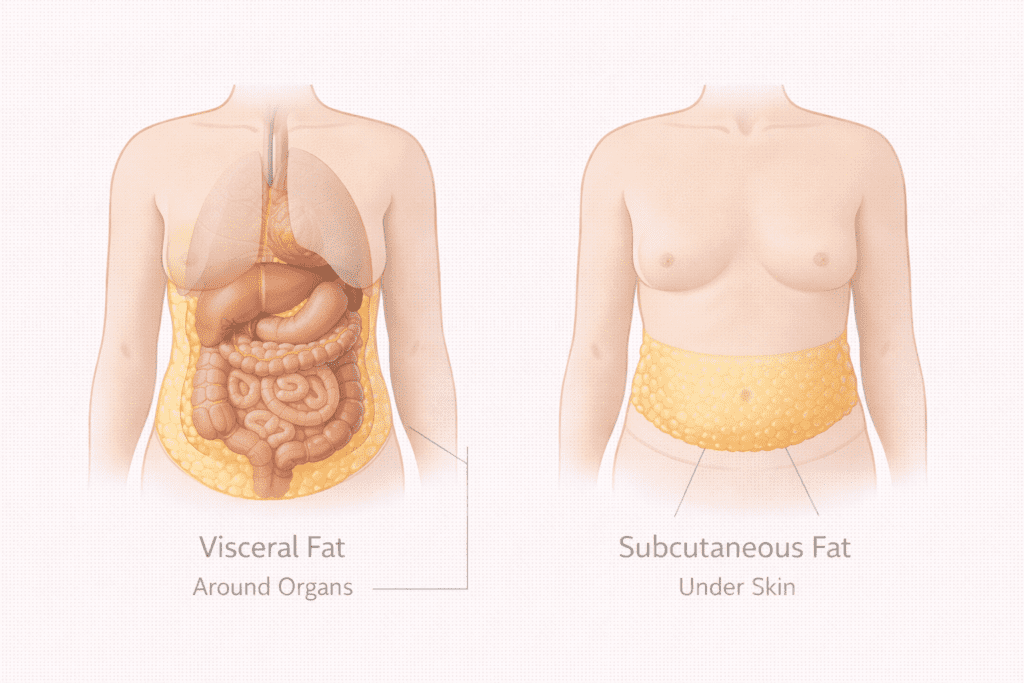
When insulin levels rise often, the body is more likely to store fat rather than burn it. Over time, this can lead to visceral fat, which sits deeper in the abdomen and behaves differently than surface fat.
This is why people with long-term blood sugar issues are more likely to develop abdominal fat and face higher health risks related to type 2 diabetes, heart disease, and other cardiometabolic concerns.
This process doesn’t happen overnight. It builds slowly, which is why many adults don’t connect their eating habits to changes around their middle.
Why Blood Sugar Control Matters for Weight Management
As the body ages, managing blood sugar becomes a key part of weight management.
Frequent spikes in blood sugar can increase hunger, trigger cravings, and make losing weight harder-even when calories are controlled. This is also why some people feel tired or irritable after meals.
Over time, poor blood sugar control can increase the risk of insulin resistance, a condition where cells stop responding well to insulin. This makes it easier to store fat and harder to release it.
For some adults, this pattern can also increase the risk of developing type 2 diabetes, especially when combined with low activity or chronic stress.
A Quick Reality Check
If you’ve noticed belly fat becoming more stubborn after 30, it doesn’t mean you’ve failed. It means your body is responding differently than it used to.
Blood sugar regulation becomes more important with age. Understanding this relationship is the first step toward making changes that actually last.
In the next section, we’ll look more closely at the biological and lifestyle reasons behind these changes-without products, hype, or shortcuts.
Why Blood Sugar Control Becomes More Important After 30
To understand why blood sugar affects belly fat, it helps to look at how the body handles sugar as we age. These changes are gradual. That’s why many adults don’t notice them until fat starts building around your middle.
This isn’t about one bad habit. It’s about several small shifts happening at the same time.
How Blood Sugar Is Normally Regulated
When you eat, carbohydrates break down into glucose. This raises blood sugar in the bloodstream. The pancreas releases insulin to move that glucose into cells, where it’s used for energy.
When this system works well, blood sugar levels rise and fall smoothly. Cells absorb glucose, energy stays steady, and little is stored as fat.
Problems begin when this process is repeated too often with high-sugar or highly processed foods.
Repeated Sugar Spikes and Fat Storage
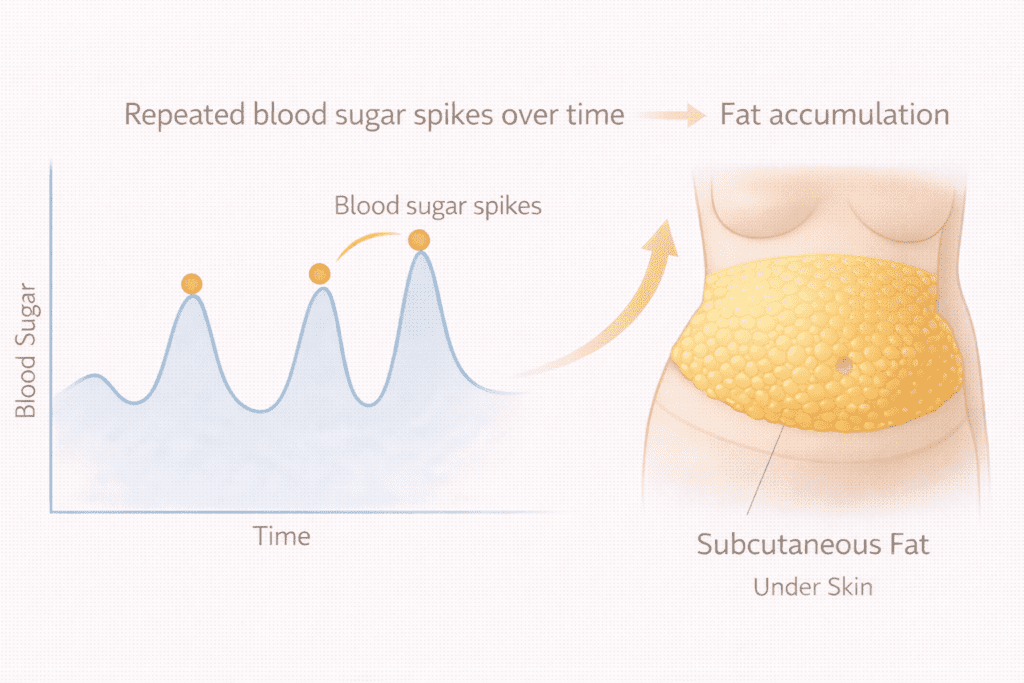
Frequent spikes in sugar cause insulin to rise again and again. Over time, this can push the body toward storing more fat instead of burning it.
This process is closely linked to fat accumulation in the abdominal area. The body tends to store excess glucose as fat when energy demands are already met. That’s how excess fat builds up.
As insulin continues to rise often, the body becomes less responsive. This is known as insulin resistance.
Insulin Resistance and Belly Fat
With insulin resistance, cells don’t respond well to insulin. The body compensates by releasing even more insulin to manage blood sugar.
Higher and more frequent insulin levels make fat storage more likely-especially visceral fat, which sits deep around the organs. This type of fat is more metabolically active and linked to higher health risks.
This is why adults with insulin resistance often struggle with abdominal fat, even when they’re careful with calories.
Why Age Makes This Worse
After 30, the body’s tolerance for sugar changes.
Muscle mass slowly declines. Activity levels may drop. Stress tends to increase. All of these factors affect how well the body handles glucose.
As a result:
- Blood sugar levels rise more easily
- Insulin stays elevated longer
- Fat storage becomes more efficient
Over time, this can contribute to weight gain, especially in the form of belly fat.
The Role of Lifestyle Habits
Lifestyle plays a big role in how this process unfolds.
Low physical activity, high intake of sugary or refined foods, and chronic stress all make blood sugar harder to control. Stress raises cortisol, another hormone that can interfere with insulin and promote fat storage.
Poor sleep and irregular eating patterns can also cause blood sugar to rise and fall too sharply.
Together, these habits increase the risk of developing type 2 diabetes and make long-term fat loss harder.
Why This Matters Beyond Appearance
This isn’t just about looks.
Long-term high blood sugar and insulin resistance are linked to type 2 diabetes, heart disease, and other cardiometabolic conditions. That’s why doctors often focus on waist size and blood sugar-not just body weight.
For people with diabetes or those at risk, managing blood sugar is a key part of protecting long-term health.
Where This Leaves Us
By now, the connection is clear:
- Repeated sugar spikes raise insulin
- High insulin promotes fat storage
- Insulin resistance makes belly fat harder to lose
- Age and lifestyle amplify the effect
None of this happens overnight. But over time, it explains why belly fat becomes more stubborn after 30.
Biological Barriers That Link Blood Sugar to Belly Fat
This section focuses on specific biological reasons that explain how blood sugar regulation connects to fat stored around the middle. Each block addresses only one mechanism, followed by a neutral mention of a related support option.
1) Stress, Cortisol, and Blood Sugar Instability

Stress affects blood sugar more than most people realize.
When stress is ongoing, the body releases more cortisol, a stress hormone that raises blood glucose. This happens because the body prepares for “fight or flight,” even when there’s no real danger.
Repeated cortisol spikes can keep blood sugar levels elevated and interfere with insulin signaling. Over time, this pattern can promote abdominal fat storage and increase the risk of insulin resistance.
Some adults explore Nagano Tonic because it’s positioned around stress response and cortisol balance. It isn’t meant to lower blood sugar directly, but to support stress regulation that may otherwise disrupt glucose control.
This is often where readers choose to review it in more detail through an internal page.
2) Cellular Energy Use and Glucose Handling
How well cells use energy affects where glucose goes.
When cells don’t produce energy efficiently, glucose is less likely to be used right away. Instead, excess glucose is more likely to be stored, contributing to fat accumulation.
This process can lead to excess fat, especially when energy demand is low. Over time, this pattern makes losing weight harder and supports fat storage in the abdominal area.
Mitolyn is commonly discussed in this context because it focuses on cellular energy and mitochondrial function. It’s positioned around helping cells use fuel more efficiently, not as a fat-loss product.
Readers who want specifics usually continue to a full internal review.
3) Insulin Balance and Fat Storage
Insulin is the main hormone that decides whether glucose is used or stored.
When insulin levels rise often, the body is more likely to store glucose as fat. Over time, consistently high insulin can lead to insulin resistance, where cells stop responding well.
This state increases the likelihood of visceral fat, sometimes called diabetes belly, and raises the risk of developing type 2 diabetes.
Ikaria Lean Belly Juice is often mentioned for its positioning around insulin balance and glucose regulation. It’s discussed as a supportive option alongside normal eating habits.
This is typically where readers explore a deeper review if blood sugar balance is their main concern.
4) Morning Thermogenesis and Glucose Use
The way the body starts the day influences glucose handling.
Morning thermogenesis helps the body use glucose for energy instead of storing it. When this process is weak or inconsistent, more glucose may remain unused and be directed toward fat storage.
This can contribute to weight gain around the middle over time.
Java Burn is often discussed in relation to morning thermogenesis. It’s positioned around supporting early-day energy use, not directly lowering blood sugar.
Readers who want more detail often review it separately through an internal link.
5) Protein Intake, Muscle, and Insulin Sensitivity
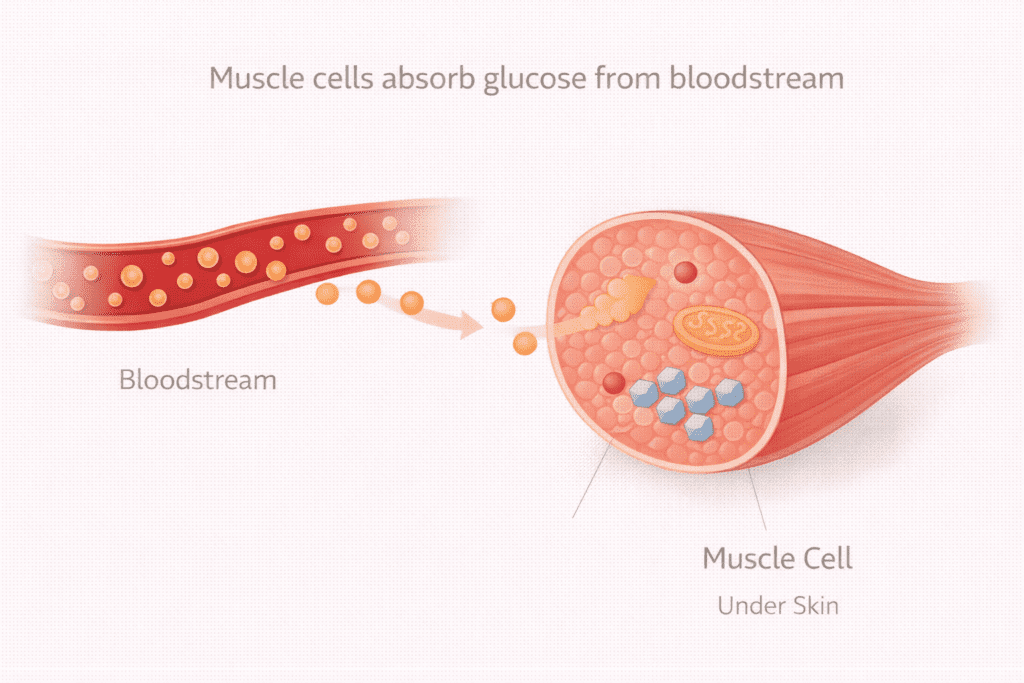
Muscle plays a major role in blood sugar control.
Muscle helps absorb glucose from the bloodstream. When muscle declines, glucose clearance becomes less efficient, which can raise blood sugar and insulin.
Adequate protein helps preserve muscle, which supports improve insulin sensitivity and reduces fat storage over time.
Programs like The Smoothie Diet are often discussed because they emphasize protein intake while managing calories. The goal is muscle preservation, not restriction.
This is another area where readers may choose to explore a full review internally.
6) Sleep Quality and Overnight Glucose Regulation
Sleep has a direct effect on blood sugar control.
Poor sleep disrupts insulin signaling and can cause glucose levels to rise the next day. Over time, this makes blood sugar harder to regulate and increases the chance of excessive fat storage.
Sleep loss also affects appetite and craving, which can lead to higher sugar intake.
SleepLean is often mentioned for its focus on sleep quality and nighttime recovery. It’s positioned around supporting rest so the body can regulate glucose more effectively.
This is typically where readers look into a detailed internal review if sleep is a weak point.
Key Takeaways, Final Verdict, and FAQs
At this point, the connection should be clearer.
For many adults over 30, fat around the middle doesn’t appear randomly. It often develops alongside changes in how the body manages glucose, insulin, stress, sleep, and daily movement. This is why blood sugar affects belly fat more than most people expect.
The process is gradual. Small daily patterns add up. And once fat begins to collect in the abdominal area, it becomes harder to reverse without addressing blood sugar balance.
What This Means in Real Life
Most people focus only on calories or exercise. Those matter-but they don’t tell the whole story.
When blood sugar rises often, insulin rises too. Over time, this pattern encourages fat storage, especially around the middle. If insulin stays high, fat becomes easier to store and harder to release.
This doesn’t mean everyone has diabetes or a medical condition. It means blood sugar regulation becomes more important with age.
The good news? Blood sugar is strongly influenced by daily habits.
Practical Lifestyle Principles That Matter Most
Without getting extreme, these principles tend to support healthier blood sugar patterns over time:
- Eating balanced meals instead of frequent sugary snacks
- Including protein and fiber to slow sugar absorption
- Staying physically active in simple, consistent ways
- Managing stress so cortisol doesn’t disrupt glucose control
- Sleeping enough to support overnight recovery
These aren’t quick fixes. But they’re repeatable-and that’s what matters for long-term results.
Final Verdict

So, how does blood sugar really affect belly fat?
It acts like a switch.
When blood sugar and insulin stay elevated often, the body is more likely to store fat-especially in the abdominal area. When regulation improves, fat storage pressure eases.
This is why addressing blood sugar is often a missing piece for adults over 30 who struggle with stubborn belly fat, even when eating reasonably well.
Progress here doesn’t come from perfection. It comes from consistency.
Frequently Asked Questions (FAQs)
Why does belly fat increase as blood sugar rises?
Higher blood sugar triggers insulin release. Insulin promotes fat storage, especially around the abdomen when levels stay high often.
Does this mean everyone with belly fat has diabetes?
No. Many people experience early insulin resistance or blood sugar instability without having diabetes. These changes can still affect fat storage.
Can improving blood sugar help with losing weight?
For many people, yes. More stable blood sugar often reduces cravings, supports energy levels, and makes fat loss more achievable over time.
Is belly fat more risky than other fat?
Yes. Visceral fat is linked to higher cardiometabolic risk compared to fat stored under the skin.
Do I need to avoid all sugar?
Not necessarily. The goal is balance, not elimination. How often sugar is consumed and what it’s paired with matters more than perfection.
When should someone talk to a professional?
If there are concerns about consistently high blood sugar, symptoms of insulin resistance, or a history of diabetes, it’s important to seek qualified medical guidance.
One Last Thought
If belly fat has become harder to manage after 30, it doesn’t mean something is wrong with you.
It usually means your body is responding to blood sugar patterns that matter more now than they did before.
Focus on habits you can repeat. Stay patient. And remember-small improvements, done consistently, are what lead to lasting change.