
Feeling drained has become normal for many adults. Energy dips hit in the afternoon. Evenings feel heavy. And by the end of the day, motivation is gone.
This isn’t just about feeling tired. When energy crashes lead to weight gain, the connection often gets missed.
Low energy changes behavior. People reach for quick snacks, extra caffeine, or easy comfort foods. Activity drops. Small choices add up, and weight gain can happen without big changes in diet.
After 30, this pattern becomes more noticeable. Recovery slows. Sleep isn’t as deep. Stress builds faster. These factors all affect energy levels and make weight control harder than it used to be.
Fatigue also affects hormones. When the body feels constantly run down, it shifts into survival mode. That shift can increase hunger, reduce movement, and slowly change body composition.
The result isn’t sudden. It’s gradual. And that’s why many people feel confused when weight changes without a clear reason.
Understanding why energy matters is the first step toward fixing the pattern.

The Biological and Lifestyle Reasons Energy Crashes Happen More After 30
Energy doesn’t drop for one single reason. It’s usually a mix of biology and daily habits.
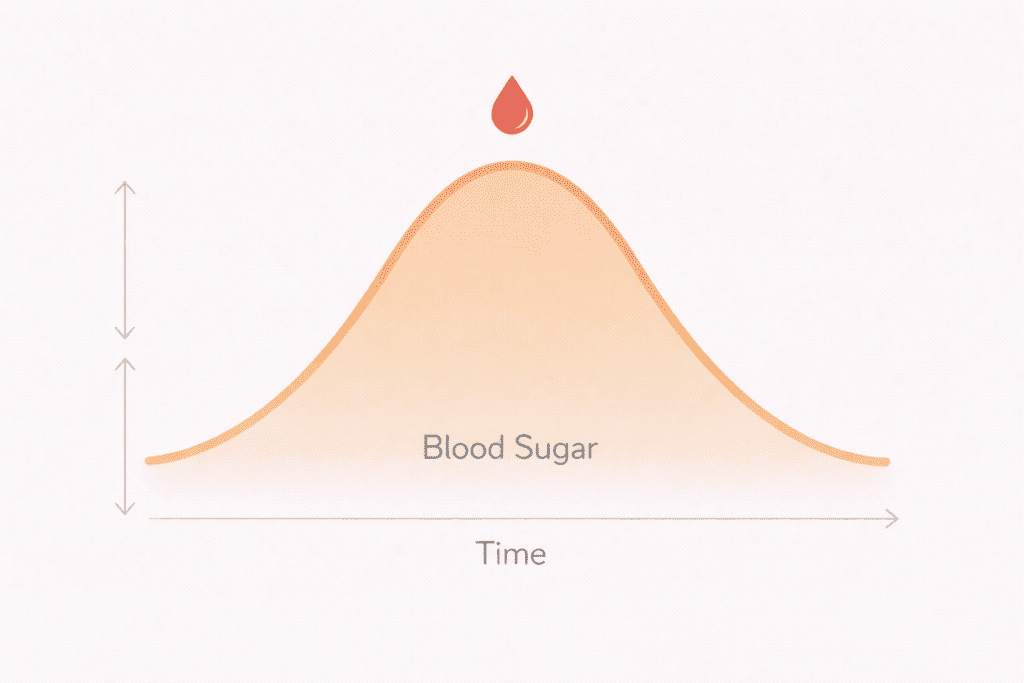
One common factor is unstable blood sugar. Skipping meals, eating irregularly, or relying on refined carbs can cause glucose spikes followed by sharp drops. Those drops cause fatigue and trigger cravings for fast energy foods.
Sleep is another major factor. Poor or shortened sleep can disrupt sleep cycles and reduce recovery. When sleep suffers, hormones that regulate hunger and fullness get out of balance. Over time, this affects appetite and metabolism.
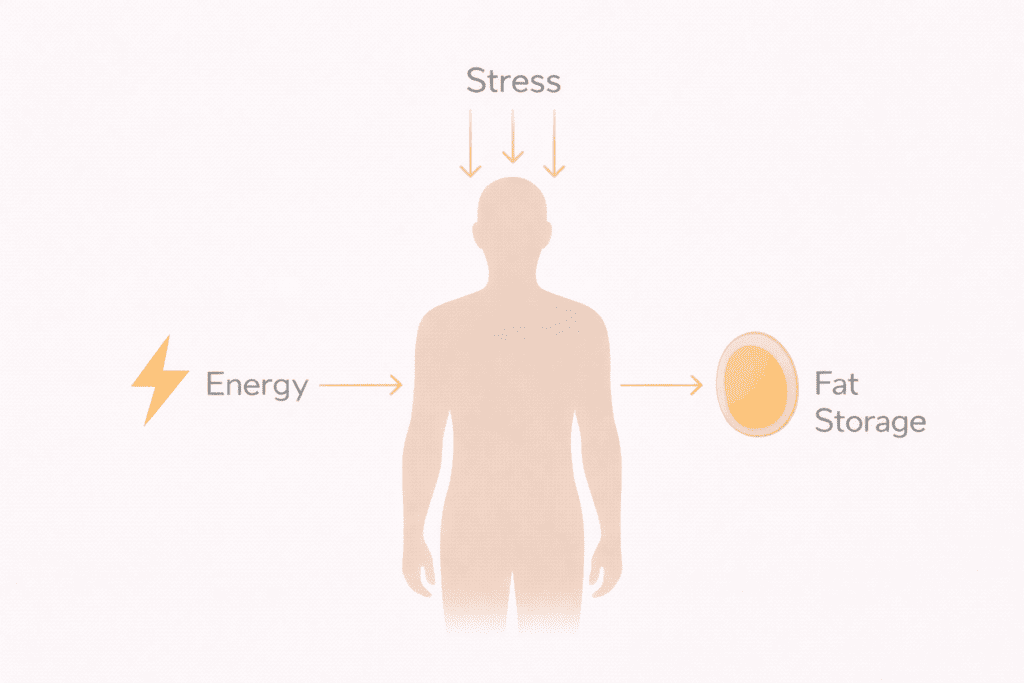
Chronic stress also plays a role. The body releases cortisol, a key stress hormone, to handle pressure. When stress is constant, cortisol stays elevated. High cortisol levels drain energy and encourage fat storage instead of fat use.
A sedentary routine adds to the problem. Sitting for long hours lowers daily energy output. Less movement means fewer opportunities to stabilize energy throughout the day.
These factors don’t act alone. Together, they create repeated energy crashes that slowly lead to weight gain, especially when recovery time is limited.
How Energy Crashes Contribute to Weight Gain
Energy crashes don’t just affect how you feel. They change how you behave.
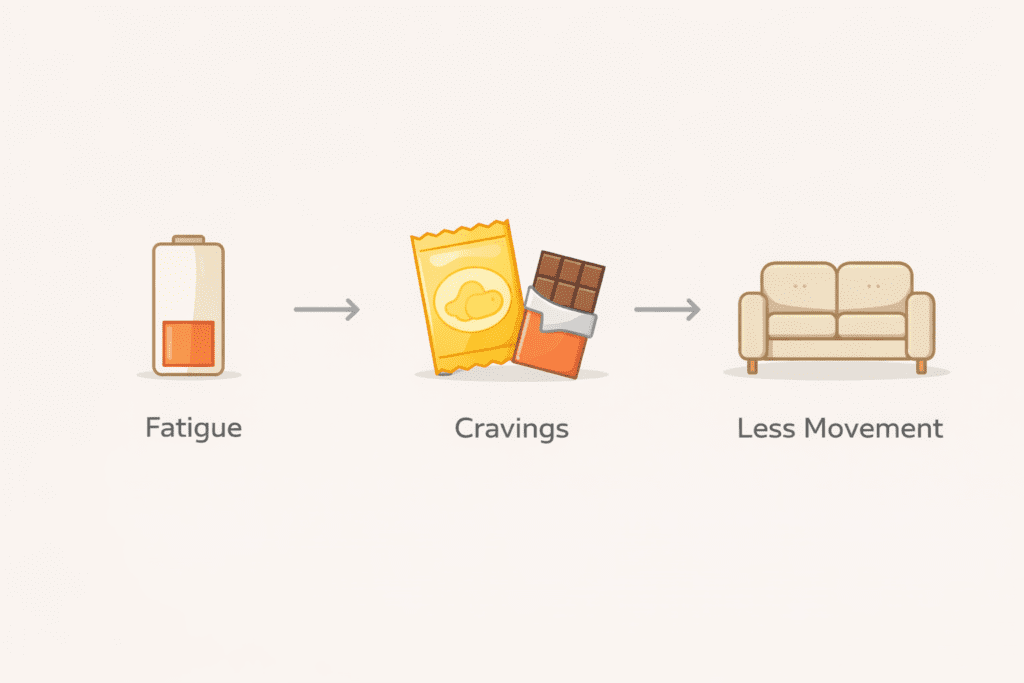
When fatigue hits, the body looks for quick relief. Cravings increase. Appetite control weakens. Foods high in sugar or refined carbs feel more appealing because they raise glucose fast. The problem is that these spikes don’t last. Another crash follows, and the cycle repeats.
This pattern can cause weight gain over time. Frequent snacking, especially during low-energy moments, increases daily intake without much awareness. Even small extra calories, repeated often, can lead to steady weight gain.
Low energy also reduces movement. When people experience fatigue, they’re less likely to walk, exercise, or stay active after work. Activity drops quietly, but consistently. Fewer calories are burned, which makes it easier to gain weight even if eating habits haven’t changed much.
Hormones are involved too. Repeated energy crashes affect hunger and fullness signals. The body may release more hunger-related hormones while reducing signals that say “you’ve had enough.” This hormonal shift increases the chance of overeating later in the day.
Over time, inconsistent routines add another layer. Irregular sleep, meals, and movement confuse the body’s internal clock. That confusion can slow metabolism and make weight changes harder to reverse.
This is how fatigue turns into a long-term issue. Not through one bad day-but through repeated low-energy patterns that quietly add up.
Fatigue, Cravings, and Reduced Daily Activity
Fatigue doesn’t just lower motivation. It changes decision-making.
When the body is tired, it prioritizes comfort. This often shows up as stronger cravings and lower tolerance for effort. Foods that feel “easy” become the default choice. This shift in eating behavior plays a role in gradual weight gain.
Energy crashes also reduce spontaneous movement. People sit more. They skip optional activity. Even small habits-like standing up, stretching, or walking-happen less often. This lowers daily energy use without being obvious.
Over time, reduced movement and higher intake can lead to weight gain, especially when paired with stress and poor sleep. This doesn’t mean fatigue is the only cause, but it’s a strong contributor.
Addressing energy stability helps reverse this pattern. When energy improves, activity becomes easier and food choices feel less forced. That shift supports healthier weight trends without extreme effort.
Stress, Cortisol, and Energy Regulation
Stress is one of the most overlooked drivers of low energy.
When the body is under pressure, it releases cortisol, a key stress hormone designed to help in short bursts. The problem starts when stress becomes constant. In that state, cortisol levels stay elevated longer than they should.
High cortisol drains both mental and physical energy. People feel wired but tired. This pattern often causes fatigue during the day and poor recovery at night. Over time, excess cortisol can also lead to weight gain by encouraging the body to store energy as fat.
Cortisol also affects appetite. It can increase hunger while reducing sensitivity to fullness cues. This makes overeating more likely during periods of stress and tiredness. In some cases, stress can cause weight gain even when food intake hasn’t changed much.
Another issue is sleep. Elevated cortisol can disrupt sleep, making it harder to fall asleep or stay asleep. Poor sleep then raises cortisol further the next day, creating a loop that worsens energy crashes and hormonal imbalance.
Some people explore supportive options like Nagano Tonic when learning about stress and cortisol balance. It’s usually mentioned in a neutral, informational context and fits into broader stress-reduction routines. Many readers choose to review details before deciding if it aligns with their needs.
Reducing stress doesn’t just calm the mind. It helps stabilize energy and supports healthier weight patterns over time.
Cellular Energy and Mitochondrial Health
Energy crashes often start at the cellular level.
Cells rely on mitochondria to produce energy. When mitochondrial function is poor, energy output drops, even if sleep and food intake seem adequate. This leads to constant tiredness and makes daily activity feel harder than it should.
Chronic stress, poor sleep, and irregular eating can all reduce cellular energy efficiency. Over time, this contributes to chronic fatigue and slower recovery. When energy stays low, movement decreases and the risk of weight gain increases.
Mitochondrial health also affects how the body uses fuel. When energy production is inefficient, the body may rely more on quick glucose spikes instead of steady fuel use. This pattern worsens energy crashes and appetite swings.
Some people mention Mitolyn in discussions around cellular energy and mitochondrial support. It’s generally referenced as complementary rather than essential. Reviewing detailed information helps readers understand where it fits, if at all.
Improving cellular energy doesn’t happen overnight. But steady habits-better sleep, balanced meals, and stress control-can gradually restore more stable energy.
Blood Sugar Stability and Energy Levels
Blood sugar swings are a major trigger for energy crashes.
When meals are skipped or built mostly around refined carbs, blood sugar can rise quickly and then fall just as fast. These drops cause shakiness, hunger, and mental fog. Repeated swings strain insulin response and make crashes more frequent.
Over time, unstable blood sugar levels can contribute to fat storage and weight gain. The body becomes less efficient at using glucose for energy, which increases tiredness and cravings.
Some people explore Ikaria Lean Belly Juice when learning about blood sugar and insulin balance. It’s usually discussed as supportive, not corrective. Many prefer reviewing a detailed breakdown before making decisions.
Stabilizing blood sugar supports steadier energy throughout the day. When energy feels more even, appetite becomes easier to manage and activity feels less forced.
Morning Thermogenesis and Daily Energy Flow

How the morning starts often decides how energy feels for the rest of the day.
After waking up, the body naturally increases heat production and energy use. This process-often called thermogenesis-helps set daily energy levels. When mornings are rushed, sedentary, or paired with poor sleep, this activation stays weak.
Low morning activation can keep energy suppressed all day. People feel sluggish early, then rely on caffeine or quick snacks later. This pattern increases stress on hormones and can cause weight gain over time.
Gentle morning habits help reverse this. Light movement, exposure to daylight, and regular meal timing support metabolic activation without stressing the system. These habits help energy rise gradually instead of spiking and crashing.
Some people mention Java Burn when learning about morning thermogenesis and daily energy flow. It’s usually referenced neutrally as a supportive option, not a solution. Many readers choose to review details before deciding whether it fits their routine.
Stable mornings don’t need to be intense. They need to be consistent. That consistency helps prevent later crashes that contribute to weight gain.
Protein Intake, Satiety, and Energy Control
Protein plays a key role in energy stability.
Meals low in protein digest quickly and can lead to rapid drops in energy. Adding enough protein helps slow digestion, supports satiety, and prevents sharp energy crashes. This makes it easier to manage appetite across the day.
Protein also supports muscle tissue, which influences metabolism. When muscle is preserved, the body uses energy more efficiently, even at rest. This matters for adults over 30 who want to avoid fatigue-driven weight gain.
Low protein intake is often linked to cravings and overeating later in the day. These patterns don’t happen because of lack of discipline-they happen because the body is searching for stable fuel.
Some structured approaches, like The Smoothie Diet, are often discussed in the context of protein intake and routine. They’re typically mentioned as a way to simplify eating patterns, not as a requirement. Reviews help readers decide whether that structure fits their lifestyle.
Balanced protein intake helps smooth energy instead of chasing it.
Sleep Quality, Recovery, and Energy Balance
Sleep is one of the strongest regulators of energy.
Poor sleep can disrupt sleep cycles and reduce recovery. When this happens, fatigue builds quickly and energy crashes become more frequent. Sleep loss also affects hormone release, including those tied to hunger and stress.
When sleep is consistently poor, cortisol stays elevated. This stress hormone increases fatigue, raises appetite, and encourages fat storage. Over time, this pattern contributes to fatigue and weight gain together.
Sleep also affects insulin sensitivity. Poor sleep can increase the risk of insulin resistance, which makes blood sugar swings worse and energy harder to regulate.
Some people explore SleepLean when focusing on sleep quality and hormonal recovery. It’s usually discussed as supportive, not corrective. Readers often review details carefully before deciding whether it fits their needs.
Improving sleep doesn’t just restore energy. It helps stabilize hormones and reduce the risk of ongoing weight gain.
Frequently Asked Questions About Energy Crashes and Weight Gain
What causes frequent energy crashes?
Energy crashes often come from unstable blood sugar, poor sleep, chronic stress, or irregular meals. These factors disrupt hormones that regulate energy and appetite.
Can low energy really lead to weight gain?
Yes. When energy stays low, people move less and crave quick fuel. Over time, this pattern can contribute to weight gain without obvious overeating.
Do blood sugar swings affect energy levels?
They do. Sharp rises and drops in glucose can trigger fatigue, hunger, and irritability, making energy harder to sustain.
Is caffeine making energy crashes worse?
Sometimes. Caffeine can mask fatigue temporarily but may worsen crashes later, especially when it disrupts sleep.
How does poor sleep affect appetite?
Poor sleep alters hunger hormones and raises cortisol, which can increase appetite and cravings the next day.
Can stress cause constant fatigue?
Yes. Chronic stress keeps the body in alert mode, draining energy and affecting hormone balance.
Does low energy slow metabolism?
Indirectly, yes. Low energy reduces movement and can affect metabolism over time, making weight control harder.
Can protein help prevent energy crashes?
Protein slows digestion and supports steady energy, helping reduce sudden drops.
Are energy crashes more common after 30?
They often are. Changes in sleep quality, stress load, and recovery make energy regulation harder with age.
How long does it take to restore stable energy?
It varies. Some people notice improvements within weeks, while others need longer. Consistent habits matter most.

Final Verdict: Why Stable Energy Supports Healthy Weight
Energy isn’t just about feeling awake. It shapes daily choices.
When energy crashes lead to weight gain, the issue usually isn’t willpower. It’s biology. Fatigue affects appetite, movement, hormones, and recovery. Over time, these changes add up and make weight gain more likely.
Stabilizing energy helps reverse the cycle. Better sleep, balanced meals, stress control, and regular movement support steadier energy and healthier weight patterns. These changes work together, not in isolation.
The most effective approach isn’t chasing quick fixes. It’s addressing the root causes that drain energy in the first place.
One Last Thought
Stable energy makes everything easier.
When energy is steady, food choices improve, activity feels manageable, and routines stick. Small daily habits-sleep, protein intake, stress reduction-help prevent big crashes later.
Consistency doesn’t just protect energy.
It protects long-term results.