

Many adults in the U.S. reach a point where they quietly start feeling different. Mornings feel heavier. Afternoons drag. Even after a full night in bed, they still wake up feeling tired.
At first, it’s easy to brush off. A busy week. Stress. Maybe not enough coffee. But over time, the pattern sticks. People in their 30s and 40s often say the same thing:
“I just don’t have the same energy anymore.”
Here’s what I noticed while researching this topic — most people assume this is just part of getting older. And while natural aging does play a role, it’s not the whole story.
In reality, energy levels drop after 30 for a mix of biological and lifestyle reasons. These changes happen slowly, which is why many people don’t connect the dots right away.
This article isn’t about quick fixes or hype. It’s about understanding why this happens — and what actually helps long term.
When Do Energy Levels Start Changing?
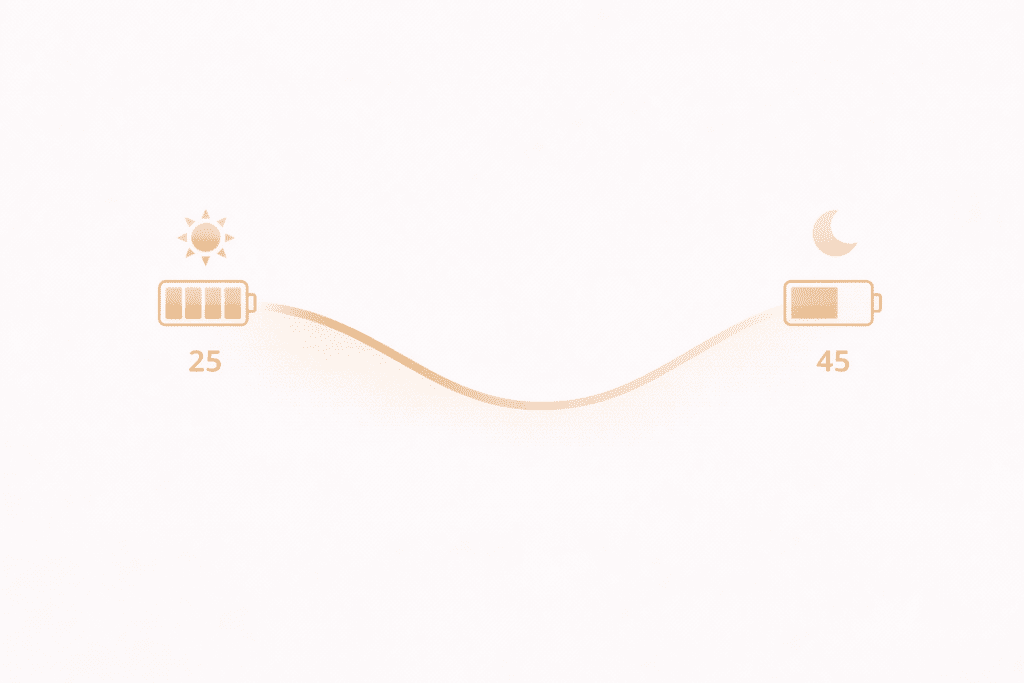
A common question is: what age do you start feeling lower energy?
For many people, it begins around the age of 30. Not suddenly — but gradually. Small dips in energy show up first. You might feel tired earlier in the day or notice less motivation for things you used to enjoy.
By the late 30s to early 40s, these changes are more noticeable. Some people even say they start feeling tired and old, even though nothing dramatic has happened health-wise.
This pattern is common as we age, and it doesn’t mean something is wrong. It means the body is adjusting.
Energy Isn’t Just About Sleep
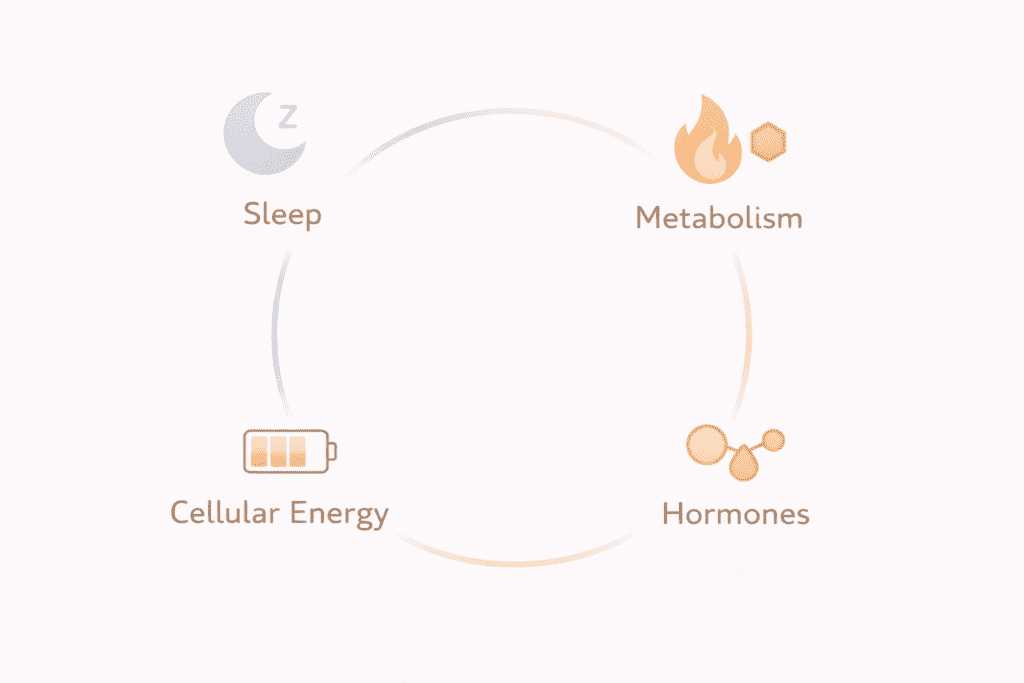
Most people assume low energy is only about sleep. Sleep matters, yes — but it’s only one piece.
Your energy levels depend on how the body turns food into energy, how well cells produce energy, and how hormones communicate with the brain and muscles. When those systems change, energy decline follows.
That’s why two people with the same hours of sleep can feel very different the next day.
Metabolism and Energy After 30
One of the biggest shifts after 30 involves metabolism.
Metabolism doesn’t just affect weight. It affects how efficiently your body creates usable fuel. As metabolism slows, the body becomes slightly less efficient at producing steady energy.
This doesn’t mean you suddenly have no stamina. But over time, lower energy levels become more noticeable — especially during long workdays or stressful periods.
This is part of why people report less energy even when they haven’t changed their routine.
Hormones Play a Bigger Role Than People Think
After 30, hormonal changes become more influential.
Changes in hormone levels — including testosterone levels, progesterone levels, and fluctuating estrogen levels — can impact energy levels and mood.
For women, perimenopause and menopause can affect energy and vitality years before cycles actually stop. For men, gradual hormone shifts can also contribute to fatigue.
This doesn’t happen overnight. But over time, these hormonal shifts can lead to fatigue and reduced stamina.
Stress and the Modern Lifestyle

Here’s where lifestyle matters.
Many adults deal with ongoing pressure — work deadlines, finances, family responsibilities. Over time, chronic stress raises cortisol levels, which can impact your energy levels and leave you feeling drained.
Stress doesn’t just affect the mind. It affects the body and mind together. That’s why stress-related fatigue often feels deeper than just being sleepy.
In some cases, unmanaged stress can even contribute to chronic fatigue, especially when paired with poor recovery habits.
When Fatigue Becomes a Pattern
Occasional tiredness is normal. But consistent fatigue that lasts weeks or months deserves attention.
Sometimes low energy is linked to a health condition, nutrient deficiency, or issues involving the thyroid. Other times, it’s a combination of sleep, stress, and reduced activity.
This article focuses on general patterns — not diagnosis. If exhaustion feels extreme or sudden, a medical professional should always be involved.
A Quick Reality Check
Feeling tired after 30 doesn’t mean your best years are behind you.
Most people who experience energy levels as we age issues aren’t broken — they’re adapting. The body is changing how it prioritizes recovery, stress, and fuel.
In the next section, we’ll break down the main biological causes of your fatigue — stress response, cellular energy, and blood sugar balance — and how people sometimes support those systems.
That’s where the picture becomes much clearer.
The Internal Reasons Energy Levels Drop After 30
Before talking about daily habits or support tools, it helps to understand what’s happening inside the body. Most people don’t suddenly lose motivation in their 30s. What usually changes is how the body creates and manages energy.
From my research, three internal systems show up again and again when experts talk about why energy levels drop after 30:
- Stress response and cortisol
- Cellular energy production
- Blood sugar balance
These systems don’t fail overnight. They shift slowly. That’s why many adults start feeling low energy without a clear reason.
Let’s break these down one at a time.
1) Stress, Cortisol, and Ongoing Fatigue
Stress affects energy more than most people realize.
When stress becomes constant, the body releases more cortisol. Cortisol is a key hormone that helps you respond to pressure. Short-term, that’s useful. Long-term, it’s exhausting.
Elevated cortisol is strongly linked to ongoing fatigue, trouble focusing, and feeling mentally drained even after rest. Over time, chronic stress can impact energy and make people feel tired most of the day.
Here’s the part that often gets overlooked: cortisol doesn’t just affect mood. It affects sleep depth, muscle recovery, and how the body uses fuel. This combination can significantly impact energy levels, especially in adults juggling work, family, and responsibilities.
Some people explore Nagano Tonic because its positioning focuses on calming stress response and supporting cortisol balance. It isn’t meant to boost energy directly. Instead, it’s discussed as a way to reduce one of the causes of fatigue so the body can recover more naturally.
If someone wants to learn more, this is usually where an internal review fits without pressure.
2) Cellular Energy Decline and Metabolic Changes
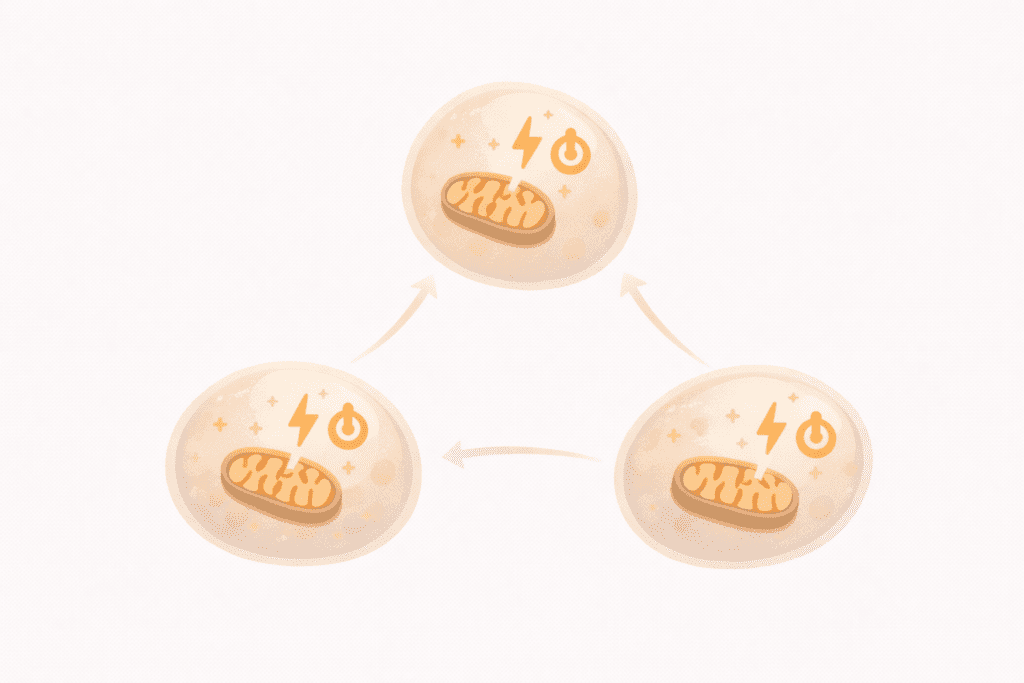
Another reason energy levels may fall after 30 has to do with how cells create fuel.
Inside every cell are structures that help produce energy. As we move through our 30s and into our 40s, this process can become less efficient. That doesn’t mean energy disappears — but it does mean the body has to work harder to maintain the same output.
This is one reason people experience energy decline even when eating well. The body’s metabolism is still functioning, but its body’s ability to convert nutrients into steady energy slows down slightly.
From what I noticed reviewing expert material, this change also affects energy and cognitive function. That’s why low energy sometimes shows up as brain fog, not just physical tiredness.
Mitolyn is often discussed in this context because it focuses on mitochondrial and cellular energy support. It isn’t positioned as a stimulant or a quick fix for fatigue. Instead, it’s described as support for the underlying energy-production process that influences vitality over time.
This is another area where an internal review can provide deeper explanation if needed.
3) Blood Sugar Swings and Energy Crashes
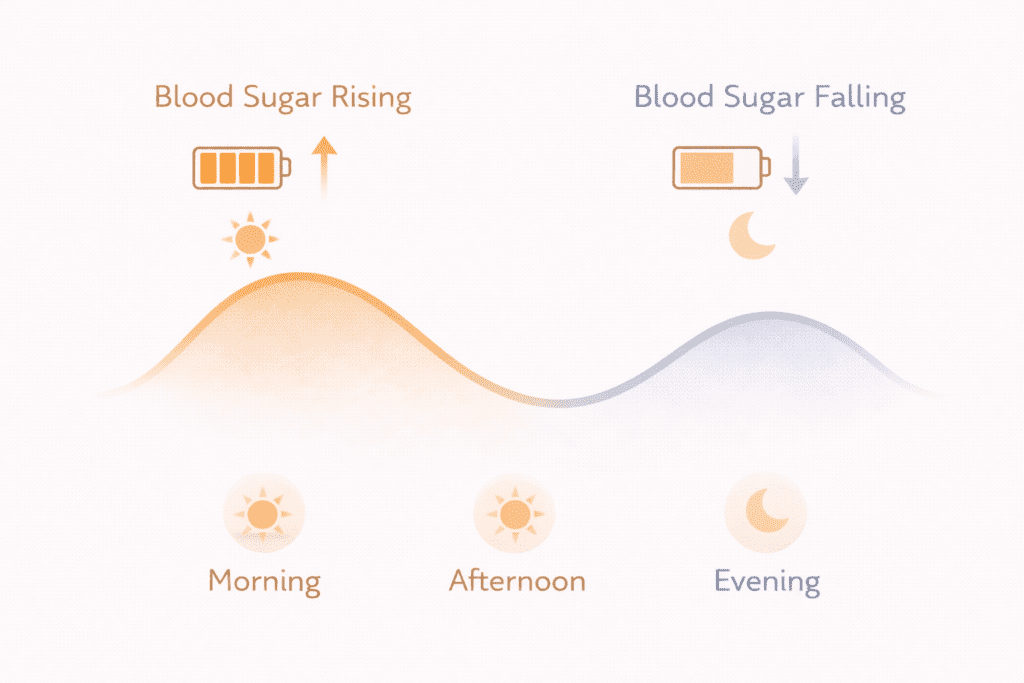
Blood sugar plays a bigger role in energy than many people think.
When blood sugar rises and falls quickly, it creates dips in energy. This can show up as afternoon crashes, irritability, or feeling drained shortly after meals.
As people age, the body may respond less efficiently to carbohydrates. This doesn’t mean something is wrong — but it does mean energy regulation becomes less stable. Over time, these swings can lead to persistent low energy and ongoing fatigue.
Blood sugar imbalance is also connected to long-term risks like diabetes, but even before that, it can affect daily energy and fatigue patterns.
Ikaria Lean Belly Juice is often mentioned in discussions about blood sugar and insulin balance. Its positioning focuses on helping the body manage glucose more smoothly, which may help reduce sudden drops in energy.
It’s typically discussed as a supportive option alongside regular meals, not a replacement for food. For readers who want more detail, this is usually where an internal review fits naturally.
Daily Habits That Quietly Drain Energy After 30
This is where many people feel confused.
They aren’t sick. They aren’t skipping meals. Yet their energy levels don’t feel steady anymore. They feel more tired by mid-day and wonder what changed.
From my research, three daily factors explain a lot of this energy decline after the age of 30:
- How mornings are handled
- Muscle preservation
- Sleep consistency
None of these feel dramatic. But together, they strongly impact energy levels.
Let’s walk through them.
4) Morning Energy Use and Thermogenesis
Mornings matter more than most people realize.
After waking up, the body naturally goes through a short phase where it prepares to generate energy for the day. When mornings are rushed, stressful, or inconsistent, this process doesn’t fully activate.
Over time, this can lead to lower energy, especially later in the day.
Many adults skip structured mornings entirely. They wake up tired, rush out the door, and rely on caffeine to push through. That pattern often leads to dips in energy rather than steady output.
Java Burn is usually mentioned in this context because it’s designed for morning use, often alongside coffee. Its positioning focuses on supporting early-day thermogenesis rather than directly boost energy levels through stimulation.
Personally, I think this explains why people feel better when mornings are calmer and more consistent. The product itself isn’t the solution—the routine is. Java Burn is typically discussed as a support for that routine.
If someone wants more detail, this is usually where an internal review link fits naturally.
5) Muscle Loss, Protein Intake, and Physical Energy
One of the most overlooked reasons for ongoing fatigue after 30 is muscle loss.
As adults move into their 30s and 40s, muscle naturally declines unless it’s actively maintained. Less muscle means the body has a harder time producing and sustaining energy.
This directly affects physical energy levels.
Without enough protein or resistance work, the body may struggle to maintain strength and endurance. Over time, this contributes to feeling drained even after normal activities.
Programs like The Smoothie Diet are often discussed because they emphasize protein intake in a structured way. The idea isn’t extreme dieting. It’s about helping the body preserve muscle so it can produce energy more efficiently.
From what I’ve seen, people who protect muscle tend to report better energy and physical stamina during the day. That doesn’t guarantee increased energy, but it supports the foundation needed for it.
Again, this is where an internal review can give deeper context without pressure.
6) Sleep Quality and Hormonal Recovery
Sleep quality becomes more important with age—even if total sleep time doesn’t change.
Many adults technically get enough hours of sleep, but the quality declines. Light sleep, frequent waking, and difficulty staying asleep all interfere with recovery.
Poor sleep quality affects multiple hormone signals tied to energy. It also raises stress hormones and interferes with overnight repair. Over time, this can lead to fatigue and decreased energy during the day.
This is especially common during perimenopause, menopause, and other periods of hormonal transition.
SleepLean is often mentioned here because its focus is nighttime recovery and supporting deeper rest. It isn’t framed as a stimulant or quick fix. Instead, it’s positioned around improving sleep so the body can restore energy and vitality naturally.
Honestly, sleep is one of the slowest areas to improve—but also one of the most impactful.
An internal review can explain that process more clearly for readers who want specifics.
Putting It All Together + Final Verdict & FAQs
Let’s slow down and look at the full picture.
If you’ve been wondering why your energy levels don’t feel the same anymore, you’re not imagining it. For many adults, especially in their 30s and 40s, this shift happens gradually. One day you notice you feel tired more often. Then you realize that even on good days, your drive and stamina aren’t what they used to be.
This is the reality behind why energy levels drop after 30. It’s not one flaw or one bad habit. It’s a combination of biology, lifestyle, and time.
What Really Changes as We Age
From everything covered so far, a few themes keep coming up.
As we move through adulthood, energy levels as we age change because:
- The body’s metabolism becomes less efficient
- Hormonal changes affect how energy is produced and used
- Muscle gradually declines unless it’s protected
- Stress becomes more constant, not occasional
- Sleep quality often drops even when time in bed doesn’t
This is all part of natural aging. It doesn’t mean energy disappears. It means levels naturally adjust unless habits adjust too.
Many people don’t notice these shifts until their energy levels may feel unstable or until fatigue becomes part of daily life.
Why Fatigue Feels Different After 30
There’s an important difference between being tired and ongoing fatigue.
Short-term tiredness comes and goes. But long-term fatigue and aging symptoms tend to linger. People often describe it as feeling worn down rather than sleepy.
This happens because multiple systems are involved:
- Stress response
- Sleep recovery
- Hormone signaling
- Cellular energy production
When these systems are even slightly out of balance, they can affecting energy throughout the day.
That’s why many adults say they have enough energy for work—but not much left afterward.
Lifestyle Still Matters (But Expectations Must Change)
Here’s the honest part.
After the age of 30, maintaining energy takes more intention. Not more effort—more alignment.
That usually means:
- Managing stress levels instead of pushing through them
- Prioritizing sleep, aiming for seven to nine hours when possible
- Staying active with realistic goals, like 150 minutes of movement per week
- Preserving muscle to support daily output
- Eating in a way that supports steady energy, not spikes and crashes
These lifestyle changes don’t produce overnight results. But over time, they help maintain your energy levels and reduce daily exhaustion.
This is how many people stay active well into their later years.
Where Supportive Options Fit (Without Pressure)
Supportive products often come up in conversations about low energy because they target specific weak points:
- Stress and cortisol balance
- Cellular energy support
- Blood sugar stability
- Morning activation
- Protein intake
- Sleep recovery
They don’t replace habits. And they don’t guarantee results.
In most cases, people use them to support routines they’re already trying to build. That’s why internal reviews exist—to help readers understand options without pressure or urgency.
If something aligns with your needs, you can explore it further. If not, that’s perfectly fine too.
Final Verdict: What This Means for You

Bottom line?
If your energy levels drop after 30, it doesn’t mean you’re lazy, broken, or aging “too fast.” It means your body is changing how it manages fuel, recovery, and stress.
The people who tend to feel best long term focus on:
- Consistency over intensity
- Recovery as much as productivity
- Habits they can repeat, not quick fixes
That’s how many adults protect their energy and vitality, support overall health, and stay engaged with life even as aging affects energy.
Is it different than your 20s? Yes.
Is it manageable? In most cases, absolutely.
Frequently Asked Questions (FAQs)
At what age do energy levels start to drop?
Many people notice changes in energy around the age of 30, with clearer signs appearing in the late 30s to early 40s. This varies by lifestyle, stress, and sleep quality.
Is fatigue just a normal part of aging?
Some age-related energy decline is normal, but constant fatigue isn’t something to ignore. Habits, stress, sleep, and nutrition all play a role.
Why do I wake up feeling tired even after sleep?
Poor sleep depth, stress hormones, or disrupted recovery can cause you to wake up feeling tired even with enough time in bed.
Can hormones really affect energy that much?
Yes. Shifts in hormone signaling, including cortisol levels, estrogen, progesterone, and testosterone, can strongly influence daily energy and mood.
When should I talk to a professional?
If exhaustion feels extreme, sudden, or affects daily life, it’s important to check for a health condition, including thyroid issues, nutrient deficiency, or other concerns.
Is chronic fatigue the same as chronic fatigue syndrome?
No. Chronic fatigue syndrome is a specific medical diagnosis. Ongoing low energy can have many other causes and should be evaluated individually.
One Last Thought
Low energy after 30 doesn’t mean you’ve hit a wall.
It usually means your body is asking for a different approach—one that respects recovery, balance, and long-term health.
And that’s something you can work with.