
After 30, many adults start paying closer attention to food. Not because habits suddenly get worse, but because results change. Weight gain may show up faster. Trying to lose weight can feel slower, even when calorie intake looks similar. That’s often when people start searching for foods that increase metabolism.
Here’s the important part. Food doesn’t flip a switch. Metabolism is the process the body uses to turn what you eat into energy and decide how many calories it uses throughout the day. Certain foods can support that process, but they don’t override sleep, movement, or stress. They work best as part of a bigger picture.
After 30, metabolism often becomes more sensitive to daily choices. Recovery isn’t as quick. Muscle mass can slowly decline. Energy use becomes more dependent on routine than intensity. That’s why certain foods get attention. Not because they dramatically boost results, but because they help the body respond more steadily over time.
This article focuses on realistic expectations. Foods that increase metabolism can support consistency, appetite balance, and daily energy use. They don’t promise fast changes. They help the body work a little more efficiently when habits are already in place.

Why Metabolism Becomes More Sensitive to Food Choices After 30
As the body ages, energy demands shift. One reason is muscle mass. Muscle burns more calories than fat, even at rest. When muscle slowly declines, the basal metabolic rate can decrease. That means the body may use fewer calories across the day without obvious warning signs.
Food quality starts to matter more than aggressive calorie cutting. Eating fewer calories might seem logical, but it can signal the body to conserve energy. This can affect metabolic rate and make progress feel harder. The body adapts to protect itself, not to work against you.
Digestion also plays a bigger role after 30. How well the body breaks down food and absorbs nutrients affects energy use. Certain foods are easier to digest, while others require more energy to digest, which slightly increases calorie burn during processing.
Another factor is recovery. Stress and poor sleep influence appetite and how the body uses energy. When recovery is off, even healthy foods don’t work as well. This is why metabolism often responds better to steady eating patterns rather than extreme plans.
Two meals with the same calories can affect energy use differently depending on protein, fiber, and digestion speed.
Understanding this sensitivity helps explain why food choices matter more now than they did years ago. It’s not about perfection. It’s about support.
The Biological Reasons Certain Foods Increase Metabolism
Foods don’t work in isolation, but some nutrients interact with the body in ways that support energy use. Understanding the biology helps explain why certain foods are often discussed when people want to increase metabolism, especially after 30.
Thermic Effect of Food and Calorie Processing
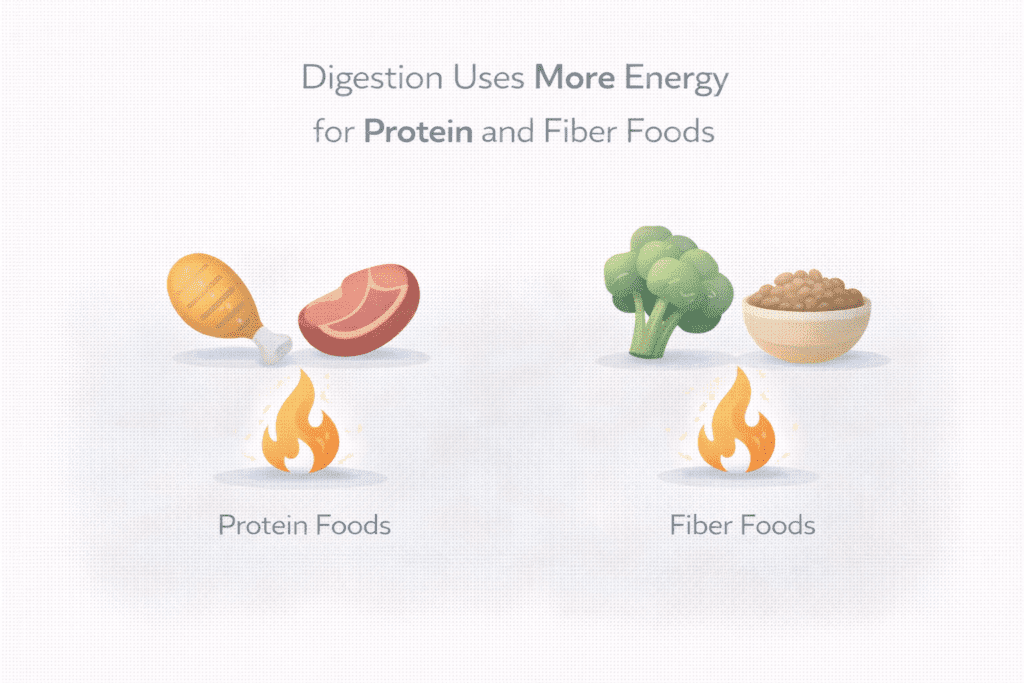
Every time you eat, the body uses energy to digest, absorb, and process nutrients. This is known as the thermic effect of food. Some foods require more work from the body, which leads to slightly higher energy expenditure during digestion.
Protein and fiber are good examples. They take longer to digest compared to refined carbohydrates or fats. This doesn’t dramatically change the number of calories you burn, but over time, these small differences can support a steadier metabolic rate. It’s one reason why certain foods may slightly increase calorie burn without forcing the body into stress mode.
Protein Intake Supporting Muscle Maintenance
Protein plays a key role in maintaining muscle mass. Since muscle burns more calories than fat, preserving muscle helps support a higher metabolic rate as people age. This connection is often overlooked.
Including protein rich foods regularly helps slow muscle loss over time. Lean meats, fish, eggs, dairy, and plant based sources all contribute. Muscle doesn’t just affect strength. It influences how many calories the body burns, even at rest.
This is why protein is frequently mentioned in conversations about foods that help boost metabolism. It supports the structure that allows the body to use energy more efficiently.
Fiber Rich Foods Improving Digestion and Energy Use
Fiber rich foods support digestion and influence how the body handles calories. They slow digestion, help regulate appetite, and support gut balance. This can lead to steadier energy levels across the day.
Fiber also supports gut health, which plays a role in how nutrients are absorbed. When digestion works well, the body uses energy more effectively instead of storing it. This doesn’t mean fiber causes weight loss, but it supports consistency, which matters more after 30.
Foods like vegetables, fruits, legumes, and whole grains fall into this category. They help digestion without extreme effects.
Micronutrients Involved in Metabolic Pathways
Certain vitamins and minerals help metabolic processes function smoothly. They don’t boost metabolism on their own, but they support pathways involved in energy use.
Micronutrients help the body convert food into usable energy and support muscle and nerve function. When intake is low, energy levels can feel inconsistent. Balanced eating patterns help ensure the body has what it needs to maintain a healthy metabolism.
Some people also explore gentle daily wellness support as part of this broader approach. For example, Nagano Tonic is sometimes mentioned alongside digestion and routine support. It’s viewed as optional and works best when basic nutrition and lifestyle habits are already in place.
12 Foods That Increase Metabolism in a Practical Way
When people hear about foods that increase metabolism, expectations can get unrealistic. No single food dramatically changes energy use overnight. Still, certain foods interact with digestion, muscle maintenance, and daily energy demands in helpful ways. Think of these as supportive choices rather than solutions.
Lean Protein Sources That Support Muscle Activity
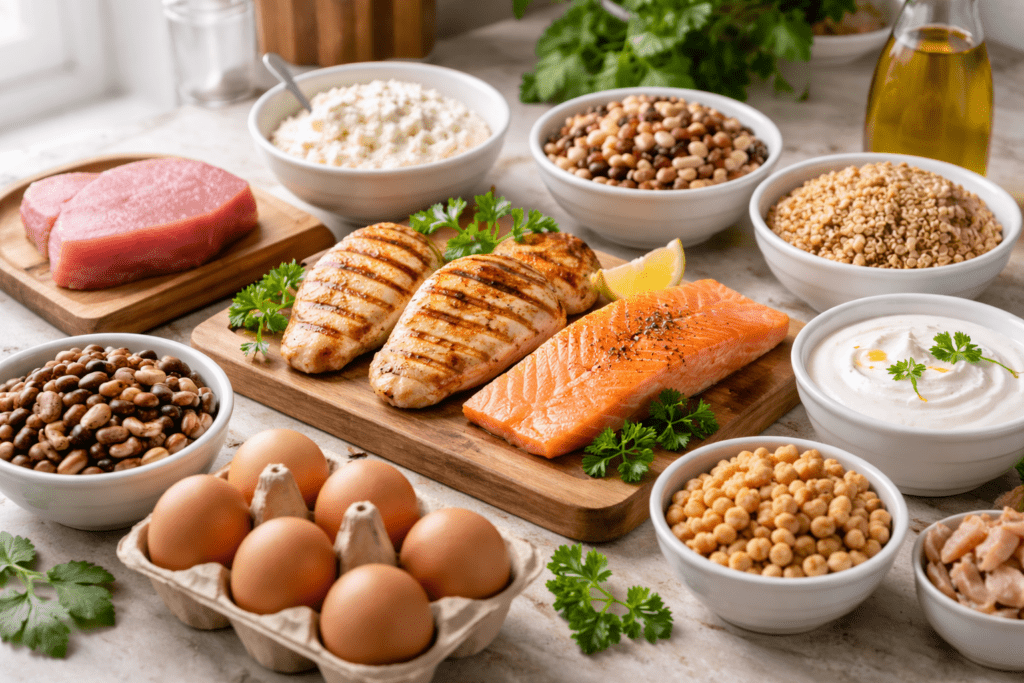
Protein rich foods support muscle mass, which affects metabolic rate. Since muscle burns more calories than fat, preserving muscle helps the body use energy more consistently. Lean meats, poultry, fish, eggs, and plant based sources all fall into this group.
Protein also takes longer to digest, which slightly increases energy use during digestion. This doesn’t transform calorie burn, but it supports steadier metabolism over time.
High Fiber Vegetables That Support Digestion
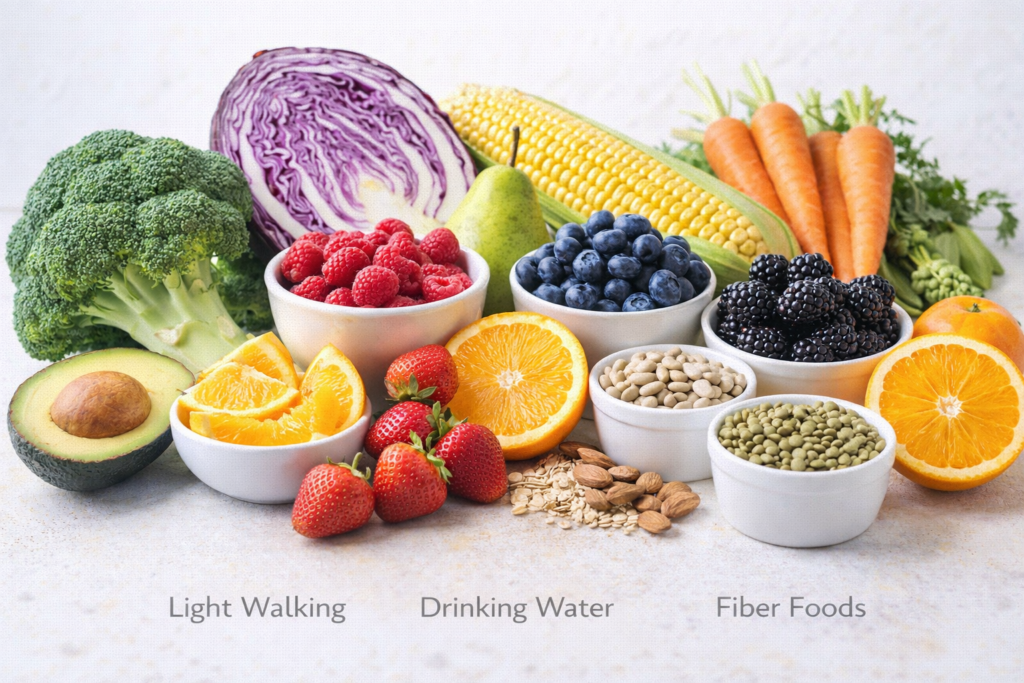
Fiber rich vegetables help regulate digestion and appetite. They slow how quickly food moves through the system and help the body manage energy use more evenly.
Vegetables are also low in calories while being filling, which supports weight management without forcing restriction. They play a role in helping the body use energy rather than store it.
Whole Grains That Provide Steady Energy
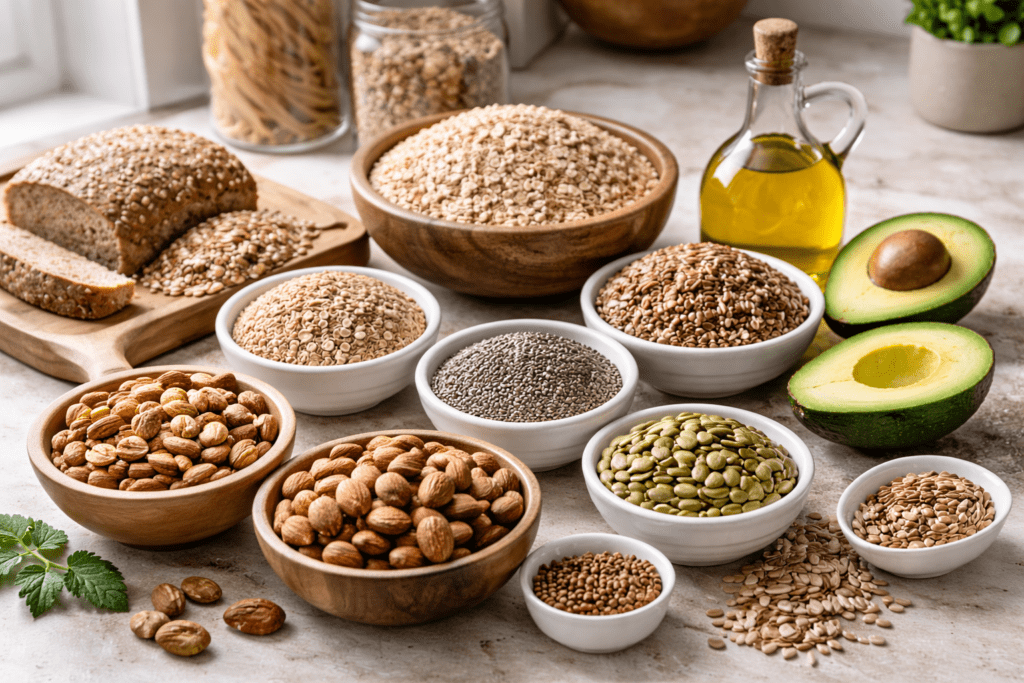
Whole grains contain carbohydrate sources that digest more slowly than refined options. This steadier digestion supports consistent energy use and reduces sharp spikes and drops.
Because whole grains require more work to digest, they contribute slightly to calorie burn during processing. Over time, this supports daily energy balance.
Healthy Fats That Aid Nutrient Absorption
Healthy fats help the body absorb fat soluble nutrients that support overall health. They also slow digestion, which can help regulate appetite.
While fats are higher in calories, balanced portions support energy use without overstimulation. They help meals feel satisfying, which supports consistency.
Fermented Foods That Support Gut Balance
Fermented foods support gut health, which plays a role in how the body processes food into energy. A balanced gut helps the body use nutrients efficiently.
This doesn’t mean fermented foods boost metabolism directly. They support digestion, which influences how energy is used over time.
Spices Commonly Linked to Metabolic Activity
Spicy foods like chili peppers contain capsaicin. This compound has been linked to small increases in energy expenditure. The effect is modest and temporary.
Capsaicin doesn’t cause fat loss on its own, but it may slightly increase calorie burn during digestion. For people who enjoy spicy foods, this can be a small supportive factor.
Fruits With Fiber and Antioxidant Content

Fruits provide fiber and micronutrients that support digestion and energy use. They help regulate appetite and provide carbohydrates that the body can use efficiently.
Fruits also support hydration, which plays a role in how the body uses energy throughout the day.
Legumes Supporting Satiety and Energy Regulation
Legumes combine fiber and protein, which supports digestion and energy balance. They digest slowly and help regulate appetite.
This combination helps the body manage calorie intake without aggressive restriction.
Nuts and Seeds in Balanced Portions
Nuts and seeds provide healthy fats and protein. They are energy dense, so portions matter, but they support nutrient absorption and satiety.
They also contribute to steady energy use when included thoughtfully.
Hydrating Foods That Support Digestion
Foods with high water content support hydration and digestion. Proper hydration helps the body process food efficiently.
Even mild dehydration can affect how the body uses energy and manages appetite.
Foods Supporting Stable Blood Sugar Levels
Foods that digest slowly help maintain steady blood sugar. This supports consistent energy use and reduces fatigue driven eating patterns.
Stable blood sugar supports metabolism indirectly by helping daily routines stay consistent.
Minimally Processed Foods Supporting Overall Metabolism
Minimally processed foods require more work to digest than highly refined options. This supports slightly higher energy expenditure and better appetite regulation.
They also support overall health, which influences how metabolism responds to daily habits.
Lifestyle Factors That Affect How Foods Increase Metabolism
Foods don’t work in a vacuum. How the body responds depends on daily routines that shape digestion, energy use, and recovery. After 30, these factors often matter as much as food choices themselves.
Meal Timing and Consistency
Regular meals help the body anticipate energy needs. Long gaps between meals or erratic timing can disrupt appetite cues and energy levels. Consistency supports daily energy expenditure and helps the body use calories more predictably.
Eating at roughly similar times also supports digestion. When digestion is steady, foods can play their intended role without triggering conservation responses.
Hydration and Digestion Efficiency
Hydration influences how well the body processes foods and drinks. When water intake is low, digestion can slow, and energy levels may dip. Over time, this affects how efficiently the body uses energy.
Hydrating foods and regular water intake support digestion and help maintain normal energy use across the day.
Sleep Quality Influencing Nutrient Use
Sleep affects how nutrients are used. Poor sleep can interfere with appetite signals and increase cravings. It can also reduce motivation for physical activity, which influences how many calories the body burns.
When sleep improves, the body often handles food more efficiently. This supports a more stable metabolic rate without forcing change.
Daily Movement Supporting Metabolic Response
Movement helps the body respond to food. Physical activity increases energy use and supports muscle mass, which influences resting metabolic rate.
This doesn’t require intense workouts. Walking, light lifting, and regular movement help the body use energy more consistently. When movement drops, even supportive foods have less impact.
How Foods That Increase Metabolism Support Weight Loss
Foods that increase metabolism support consistency rather than quick results. They help smooth energy levels, support appetite regulation, and reduce the sharp crashes that make routines hard to maintain.
These foods influence calorie burn indirectly. They may support steadier energy use, but they don’t dramatically change how many calories you burn in a day. Expectations matter here. After 30, steady progress often works better than chasing fast changes.
When food choices support routines, weight loss goals become easier to sustain. This is about long term patterns, not short term boosts.
Practical Ways to Use Metabolism Supporting Foods Daily
The most effective approach is building balanced meals. Relying on one “superfood” rarely works. Pairing protein, fiber, and healthy fats supports digestion and energy use better than focusing on single ingredients.
Food choices also work best alongside realistic routines. Regular meals, enough water, movement, and sleep help supportive foods do their job.
Some people also include gentle daily wellness support as part of a broader lifestyle approach focused on digestion and metabolic balance. Nagano Tonic is sometimes mentioned in this context as optional support alongside habits, not as a replacement for food choices or routines.
Common Myths About Foods That Increase Metabolism
A common myth is that certain foods dramatically increase metabolism overnight. In reality, effects are modest and gradual.
Another myth is that eating spicy foods alone leads to fat loss. While spices can influence energy use slightly, they don’t override daily habits.
Some people believe metabolism boosting foods cancel out poor sleep or low movement. They don’t. Foods support routines, they don’t replace them.
There’s also the idea that supplements can replace food and consistency. This overlooks how metabolism responds to the full picture.
What to Expect When You Focus on Metabolism Supporting Foods After 30
Changes tend to be gradual. Energy and digestion may improve before the scale shifts. That’s normal.
Small food choices compound over time. When paired with consistent routines, they support a healthier metabolic rate and better weight management.
Patience matters. The goal isn’t a dramatic boost. It’s steady support.
FAQs About Foods That Increase Metabolism
Do foods really increase metabolism after 30?
Foods can support metabolism, but effects are modest. They work best alongside consistent habits.
Which foods increase metabolism the most naturally?
Protein rich, fiber rich, and minimally processed foods tend to support energy use more than refined options.
Can protein intake help increase metabolism?
Protein supports muscle mass and digestion, which influences metabolic rate over time.
Does fiber help support metabolic health?
Fiber supports digestion, appetite regulation, and steady energy use.
How does gut health affect foods that increase metabolism?
Gut balance influences how nutrients are absorbed and used.
Can eating more often increase metabolism?
Regular meals support consistency, but eating more often alone doesn’t dramatically change metabolism.
Do spicy foods permanently increase metabolism?
No. Effects are temporary and modest.
How long does it take to notice changes from metabolism supporting foods?
Changes usually appear gradually over weeks or months.
Can poor sleep reduce the benefits of foods that increase metabolism?
Yes. Sleep strongly influences how the body uses energy.
Is focusing on food enough to increase metabolism after 30?
Food helps, but movement, sleep, and stress management matter just as much.
One Last Thought
Foods that increase metabolism work best as long term support, not quick solutions. After 30, consistent eating habits, digestion support, and realistic routines tend to create the most sustainable progress. Some people choose to explore optional wellness tools like Nagano Tonic through informational resources, but the foundation remains everyday food choices and steady habits.