
Many adults notice something confusing after 30. They eat less, try to exercise more, yet still feel sluggish. Energy dips happen more often. Digestion feels off. And metabolism doesn’t respond the way it used to.
This is where gut health Affects metabolism are closely connected-but often overlooked.
The gut does more than digest food. It helps decide how nutrients are absorbed, how energy is used, and how the body responds to stress. When digestion isn’t working smoothly, metabolic signals can slow down without obvious warning signs.
Digestive discomfort also becomes more common with age. Bloating, irregular digestion, or feeling heavy after meals can all point to changes inside the gut. These changes don’t just affect comfort-they influence energy, weight management, and overall balance.
Most metabolism discussions focus on calories or exercise. Gut health rarely gets the same attention. But what happens in the digestive system often sets the pace for how the rest of the body works.
Understanding this connection helps explain why metabolism feels different-and why fixing digestion can make a real difference.

The Biological and Lifestyle Reasons Gut Health Matters After 30
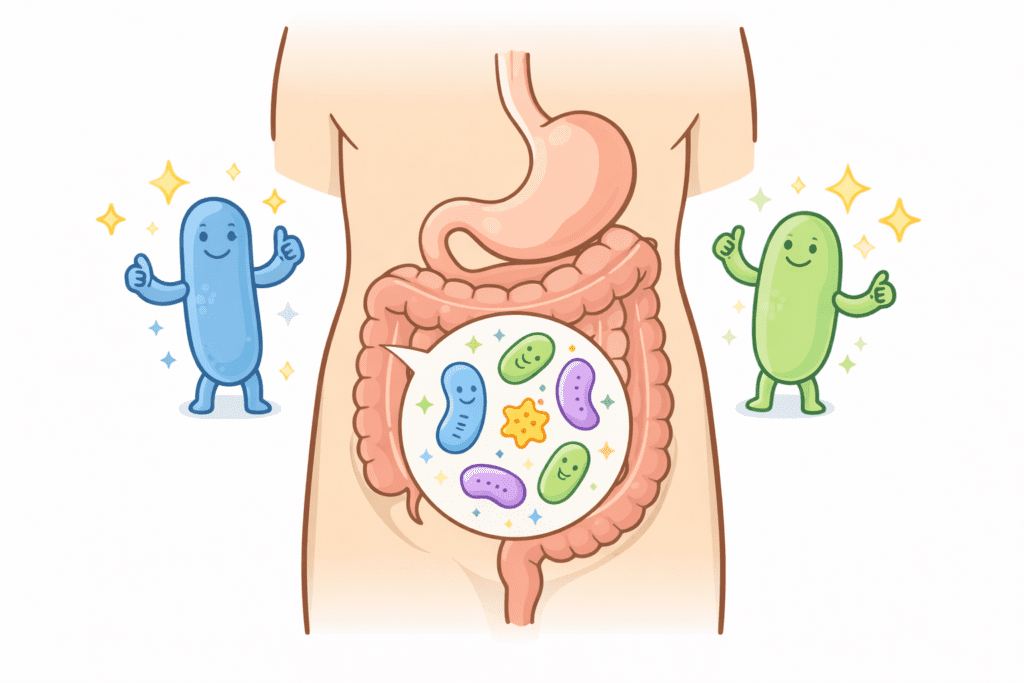
Inside the body lives a complex ecosystem known as the gut microbiome. It’s made up of trillions of microorganisms, including bacteria, a virus, and a fungus. Together, they help break down food, support digestion, and influence metabolic signals.
As people age, the diverse gut microbiome they once had can start to shift. Certain gut bacteria decrease, while others grow out of balance. This change is sometimes called gut dysbiosis, and it affects how efficiently the body processes food.
Lifestyle plays a major role here. Chronic stress, poor sleep, and diets low in dietary fiber all affect the gut microbiota. Highly processed foods and irregular eating patterns can weaken the digestive system and reduce beneficial bacteria.
Slower digestion also changes how energy is used. When food moves differently through the gastrointestinal tract, nutrient delivery becomes less efficient. This can lower energy expenditure and make the body more likely to store energy as fat.
How Gut Health Directly Influences Metabolism
The gut doesn’t just process food. It helps decide what happens after you eat.
Different gut microbes break down food in different ways. Some are better at extracting calories from the same meal than others. This means two people can eat similar foods and still have different energy outcomes, based on their gut microbiome.
Digestive efficiency also matters. When the gut lining is healthy, nutrients are absorbed properly and delivered to cells that need them. When digestion is off, nutrient absorption becomes uneven. This can affect nutrient metabolism and lower overall energy levels, even if food intake hasn’t changed.
Inflammation in the gut is another key factor. When the gut is irritated, inflammatory signals can interfere with normal metabolic communication. This slows metabolic signaling between the gut, liver, and muscles. Over time, this disruption can contribute to weight gain and reduced energy.
There’s also a strong gut–brain connection. The gut sends signals that influence hunger, fullness, and energy regulation. An imbalance in gut bacteria can confuse these signals, leading to changes in appetite and food timing that affect body weight.
This is why the link between gut function and metabolism is so important. Digestion sets the tone for how energy is processed throughout the body.
Gut Bacteria, Energy Use, and Fat Storage
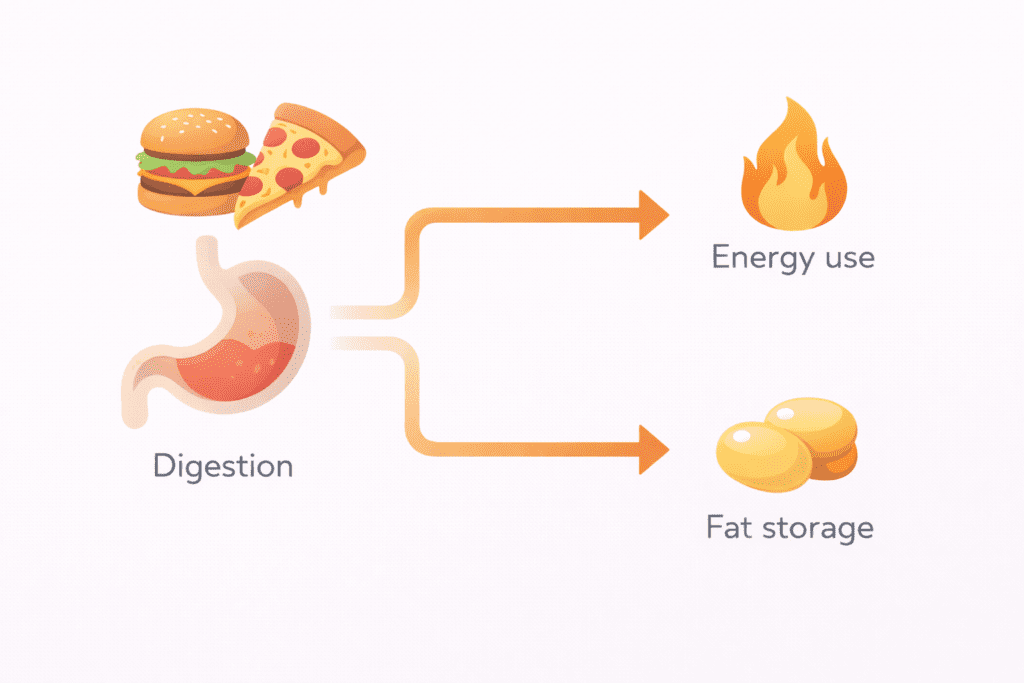
Certain gut bacteria have been linked to how the body stores fat. Some strains support efficient energy use, while others promote fat storage when they dominate.
A balanced healthy gut microbiome helps the body respond better to food signals. Beneficial bacteria ferment fiber and complex carbohydrates, which helps produce short-chain fatty acids. These compounds support gut health and help regulate energy balance.
Short-chain fatty acids also play a role in appetite control and insulin sensitivity. When these compounds are produced regularly, they help stabilize energy use and support metabolic health.
When this balance shifts, the opposite happens. A poor balance of bacteria can reduce these helpful compounds and increase fat storage signals. Over time, this imbalance may contribute to weight gain and raise the risk of metabolic disorders.
This doesn’t happen overnight. It builds slowly through lifestyle patterns, stress, and food choices. But once the gut environment improves, metabolic signals often improve as well.
Inflammation in the Gut and Metabolic Slowdown
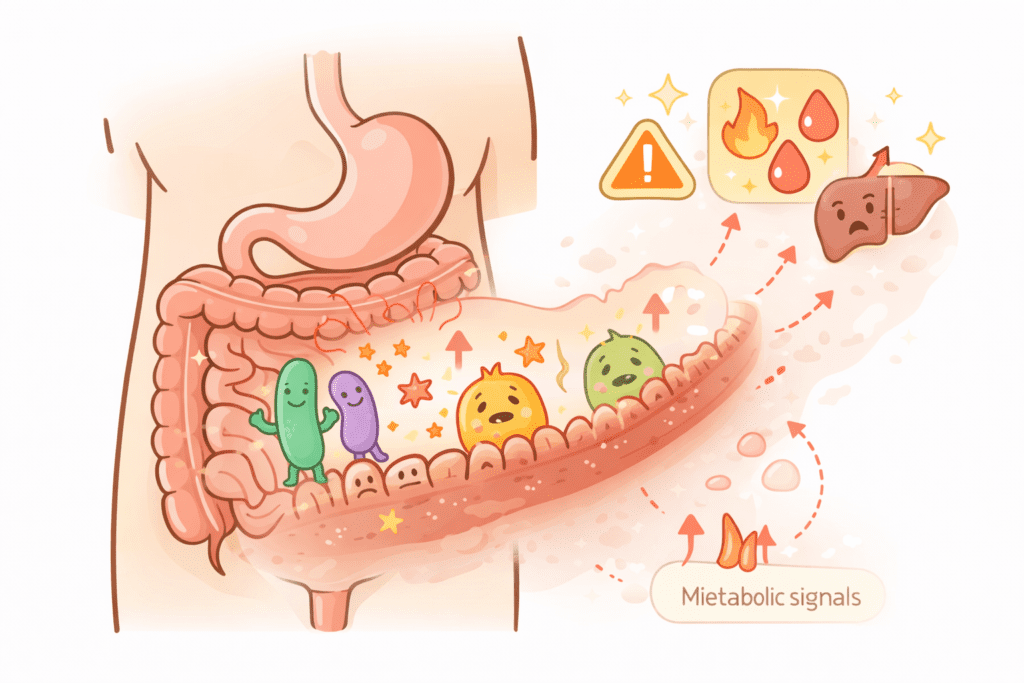
Low-level inflammation in the gut can quietly slow metabolism.
When the gastrointestinal lining is irritated, it affects how signals move between organs. This can interfere with insulin signaling and increase the chance of insulin resistance, which affects how glucose is used for energy.
Inflammation also affects energy expenditure. When the body is focused on managing irritation, fewer resources go toward efficient energy use. This can make weight management feel harder than expected.
Over time, this inflammatory state is linked to metabolic disorders, including obesity and type 2 diabetes. The gut plays a central role in this process because it’s where food, immune signals, and metabolism intersect.
Improving digestion doesn’t fix everything on its own. But it creates a foundation where other healthy habits-movement, sleep, and stress control-can actually work.
An unhealthy gut doesn’t stay isolated. It impacts the immune system, hormone balance, and even brain signals tied to hunger and energy. This is why gut health influences far more than digestion-it affects the whole body.
Stress, Cortisol, and Gut Balance
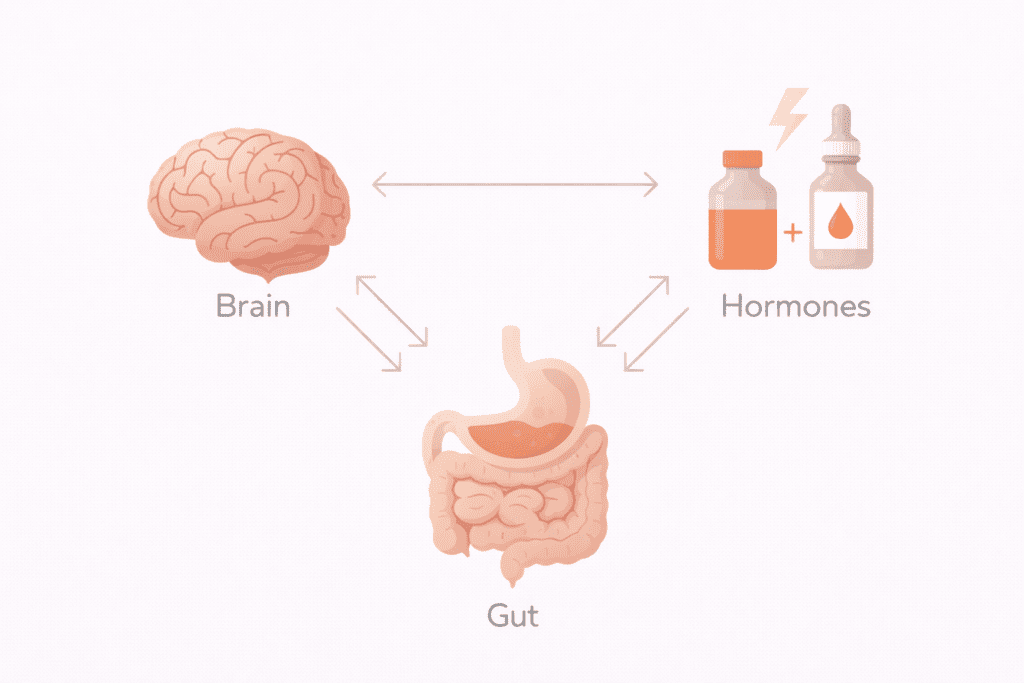
Stress doesn’t just affect mood. It directly affects the gut.
When stress becomes constant, cortisol levels stay elevated. Cortisol changes how the gut microbiome behaves by reducing beneficial strains and allowing less helpful ones to grow. Over time, this shift weakens the balance of bacteria inside the gut.
This imbalance can irritate the gut lining and increase inflammation. When that happens, digestion becomes less efficient and metabolic signals slow down. This is one reason stress can make weight management feel harder, even when food choices don’t change much.
Chronic stress also affects how the gut communicates with the brain. Hunger and fullness cues become less reliable. Energy dips feel more frequent. This confusion adds strain to the body’s energy balance.
Some people explore supportive options like Nagano Tonic when learning about stress and cortisol balance. It’s usually mentioned as part of a broader lifestyle approach, not as a fix. Readers interested in it often look into a detailed review to understand how it fits alongside stress management habits.
Reducing stress supports the gut in a quiet but meaningful way. When cortisol settles, digestion and metabolism often respond more smoothly.
Cellular Energy, Mitochondria, and Gut Health
Good digestion plays a role far beyond the stomach.
The gut helps deliver nutrients that support energy production at the cellular level. When digestion is poor, fewer nutrients reach cells efficiently. This limits mitochondrial function, which reduces how well the body turns food into energy.
A healthy gut microbiome supports nutrient breakdown and absorption. This allows cells to function properly and maintain steady energy levels throughout the day. When digestion is off, fatigue becomes more common, and physical activity feels harder to sustain.
Some people mention Mitolyn in conversations around cellular energy and mitochondrial support. It’s usually discussed as complementary, not essential. Reviewing details helps readers decide whether it aligns with their needs.
When gut health improves, cellular energy output often improves too. This supports more movement, better recovery, and stronger metabolic signals over time.
Blood Sugar Control and the Gut–Metabolism Link
Gut bacteria influence how the body responds to carbohydrates.
Certain gut microbes influence insulin sensitivity by affecting how glucose is absorbed and processed. When gut balance is off, glucose spikes become more common, leading to uneven energy and increased fat storage signals.
An imbalanced gut may also affect how well the body can regulate metabolism, especially after meals. Over time, this can contribute to insulin resistance and slower metabolic responses.
Some people discuss Ikaria Lean Belly Juice in relation to blood sugar and insulin balance. It’s usually framed as supportive rather than corrective. Most readers prefer reviewing details before deciding if it fits into their routine.
Supporting gut balance helps smooth out blood sugar swings. When glucose control improves, energy feels steadier and metabolism becomes more responsive.
Morning Thermogenesis and Digestive Readiness
How your gut feels in the morning often sets the tone for the whole day.
When digestion is balanced, the body wakes up ready to use energy. Nutrients move through the digestive tract more smoothly, and metabolic signals activate more easily after waking. This supports morning thermogenesis, which is the natural rise in energy use once the day begins.
When gut health is off, mornings can feel slow. Bloating, heaviness, or low appetite are signs the gut isn’t fully reset. Poor digestion overnight can delay metabolic activation and reduce energy balance early in the day.
The gut microbiome also plays a role here. A healthier microbial balance supports smoother digestion and better communication between the gut and the brain. This helps regulate hunger signals and morning energy levels.
Some people mention Java Burn in discussions about morning thermogenesis and energy support. It’s usually referenced neutrally as part of a routine, not a fix. Readers interested in it often explore a detailed review before deciding if it fits their habits.
The main takeaway is this: when digestion works well, mornings feel easier. That alone can improve daily movement and overall metabolic rhythm.
Protein Intake, Digestion, and Muscle Preservation
Protein doesn’t just support muscles-it depends on digestion to do its job.
A healthy gut helps break down protein into usable components and absorb them efficiently. When digestion is poor, protein may not be fully utilized, even if intake looks adequate on paper. This can affect muscle maintenance and slow metabolic rate over time.
Muscle tissue supports metabolism by increasing calorie use at rest. Preserving muscle helps with weight management, especially after 30 when muscle loss becomes more common.
Gut balance also affects how well protein supports recovery. When the gut is inflamed or irritated, nutrient delivery slows. This can interfere with muscle repair and energy use.
Some structured approaches, like The Smoothie Diet, are often discussed in the context of protein intake and digestion. They’re usually mentioned as a way to simplify routines, not as a requirement. Reviews help readers decide whether that structure fits their lifestyle.
Supporting digestion allows protein to actually support muscle-and muscle supports metabolism.
Sleep Quality, Gut Repair, and Hormonal Recovery
Sleep is a major repair window for the gut.
During sleep, the gastrointestinal tract focuses on repair and maintenance. Gut bacteria also follow daily rhythms, which means poor sleep can disrupt their balance. Over time, this affects digestion, inflammation, and metabolic signals.
When sleep quality drops, stress hormones rise. This can damage the gut barrier, allowing irritation and inflammation to increase. That inflammation then feeds back into slower digestion and weaker metabolic responses.
Some people explore SleepLean when focusing on sleep quality and hormonal recovery. It’s typically discussed as supportive, not corrective. Readers usually review details carefully before deciding whether it fits their needs.
Improving sleep supports gut repair, hormone balance, and energy regulation. These changes don’t happen overnight-but they build a stronger foundation for metabolic health.
Frequently Asked Questions About Gut Health Affects Metabolism
How does gut health affect metabolism?
The gut helps decide how food is broken down, absorbed, and used for energy. When the gut microbiome is balanced, metabolic signals work more smoothly. When it’s off, energy use can slow down.
Can poor digestion slow weight loss?
Yes. Inefficient digestion can limit nutrient absorption and reduce energy production, which can make weight management harder even with careful eating.
Does gut health change after age 30?
It often does. Changes in lifestyle, stress, sleep, and diet can shift gut bacteria over time, affecting digestion and metabolic health.
Can stress damage gut bacteria?
Chronic stress can disrupt the balance of bacteria in the gut and weaken the gut barrier, which may affect digestion and metabolism.
How long does it take to improve gut health?
It varies. Some people notice changes within weeks, while others need longer. Consistent habits matter more than speed.
Does gut inflammation affect fat loss?
Yes. Inflammation in the gut can interfere with metabolic signals and energy balance, making fat loss more difficult.
Are probiotics necessary for metabolism?
Not always. Probiotics can help some people, but food choices, fiber intake, sleep, and stress management also play major roles.
Can gut health impact energy levels?
Absolutely. Better digestion supports nutrient delivery to cells, which affects daily energy and recovery.
Does sleep affect gut bacteria?
Yes. Poor sleep can disrupt gut bacteria balance and slow nighttime gut repair.
Is gut health more important than calories?
Calories matter, but gut health influences how those calories are processed. Both work together.

Final Verdict: Why Gut Health Is a Foundation of Metabolic Health
Metabolism doesn’t work in isolation.
The gut influences how food is digested, how nutrients are absorbed, and how energy is used. When digestion is compromised, metabolic signals weaken. This is why focusing only on calories or exercise often feels incomplete.
Supporting gut health helps restore balance. Better digestion, steadier energy, and improved metabolic responses tend to follow. These changes support long-term metabolic health rather than quick fixes.
The most effective approach isn’t extreme. It’s consistent habits that work together-food quality, sleep, stress control, and movement.
One Last Thought
Metabolism starts in the gut.
Small daily habits-eating fiber-rich foods, managing stress, sleeping well, and staying consistent-help digestion improve over time. Those changes may feel subtle at first, but they build a strong foundation.
Patience matters here. When gut health improves steadily, metabolism often follows.