

How hormones affect weight loss after 30 refers to the way natural shifts in hormone levels influence appetite, metabolism, and fat storage as the body ages. These changes don’t mean weight loss is impossible. They mean the process works differently than it did before.
After 30, many people notice that effort doesn’t always match results. Similar eating habits and workouts may lead to slower progress, or even weight gain, which can feel confusing without understanding the hormonal side.
Understanding How Hormones Affect Weight Loss After 30
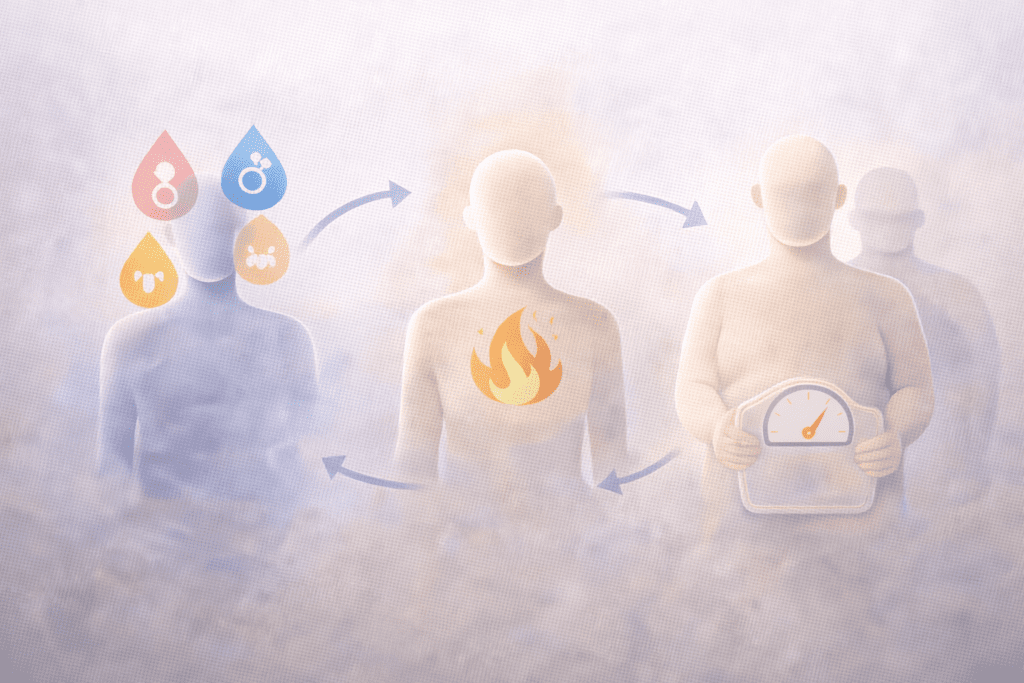
Weight loss often feels different after 30 because hormone signals become more sensitive to stress, sleep, and recovery. The body adapts more slowly, especially during busy or high pressure phases of life.
The way how hormones affect weight loss after 30 is commonly overlooked in traditional advice that focuses only on calories. Hormones influence hunger, fullness, and how the body decides whether to store or release fat.
As hormone balance shifts, metabolism responds differently. This doesn’t mean something is broken. It means expectations need to adjust toward consistency rather than quick results.
Who This Article Is For
This article is for adults over 30 experiencing slower or stalled weight loss. It’s also for people following similar habits but seeing different results than before.
Men and women noticing changes in appetite, energy, or fat distribution may find this information helpful. If you’re looking for realistic, non extreme approaches to weight loss after 30, this is meant to support understanding rather than pressure.
Why Hormonal Changes Become More Noticeable After 30
Hormone production naturally shifts with age. These changes can begin in the 30s and become more noticeable into the 40s and 50s.
Stress exposure often increases during this stage of life. Higher cortisol affects hormone balance and can encourage fat storage, especially during long periods of mental or emotional strain.
Sleep disruption also plays a role. Poor sleep interferes with hormone signaling tied to appetite and recovery. When sleep quality drops, weight management often becomes harder.
Recovery and adaptation take longer after 30. The body responds best to steady routines rather than aggressive lifestyle changes.
The Biological Reasons How Hormones Affect Weight Loss After 30
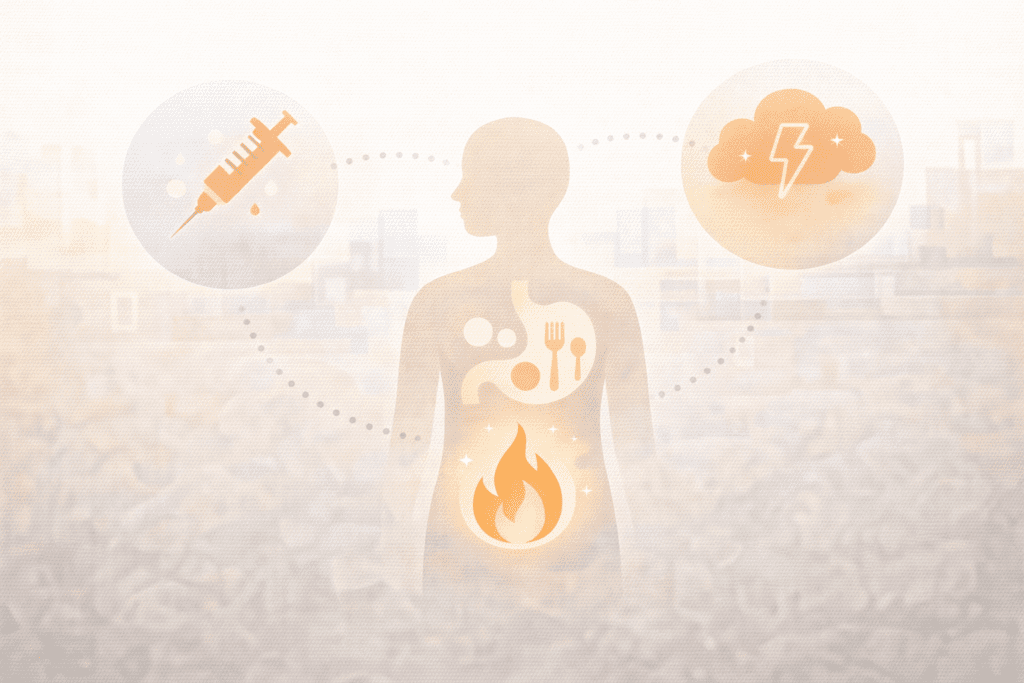
Hormonal changes don’t happen all at once. They build gradually and influence how the body responds to food, stress, and activity. This is a major reason how hormones affect weight loss after 30 feels more complex than it did before.
Insulin and Blood Sugar Regulation
Insulin is a hormone that helps move glucose from the bloodstream into cells for energy. As people get older, insulin sensitivity can decline, especially with ongoing stress or poor sleep.
When insulin becomes less responsive, blood sugar regulation can become less efficient. This may increase hunger and make fat storage more likely over time.
Cortisol and Stress Related Fat Storage
Cortisol is often called the stress hormone. It plays a role in short term survival, but chronically high cortisol levels can create problems.
Elevated cortisol encourages fat storage, particularly around the midsection. It can also increase cravings and interfere with metabolism. This is one reason stress management becomes more important for losing weight after 30.
Sex Hormones and Changes in Fat Distribution
Estrogen, progesterone, and testosterone all influence where the body stores fat. As estrogen levels shift with age, fat distribution often changes.
Weight that once settled in the hips or thighs may move toward the abdomen. These hormonal changes don’t stop weight loss, but they do change how and where progress shows up.
Hunger and Fullness Signals Influencing Appetite
Leptin and ghrelin are hormones that help regulate appetite. Leptin supports feelings of fullness, while ghrelin stimulates hunger.
With age, stress, and sleep disruption, appetite-regulating hormones can become less balanced. This imbalance can make people feel hungrier and less satisfied after meals, even when eating enough.
Understanding these biological shifts helps explain why how hormones affect weight loss after 30 is not simply about effort. The body is responding to internal signals that change with time.
Lifestyle Factors That Influence Hormonal Balance
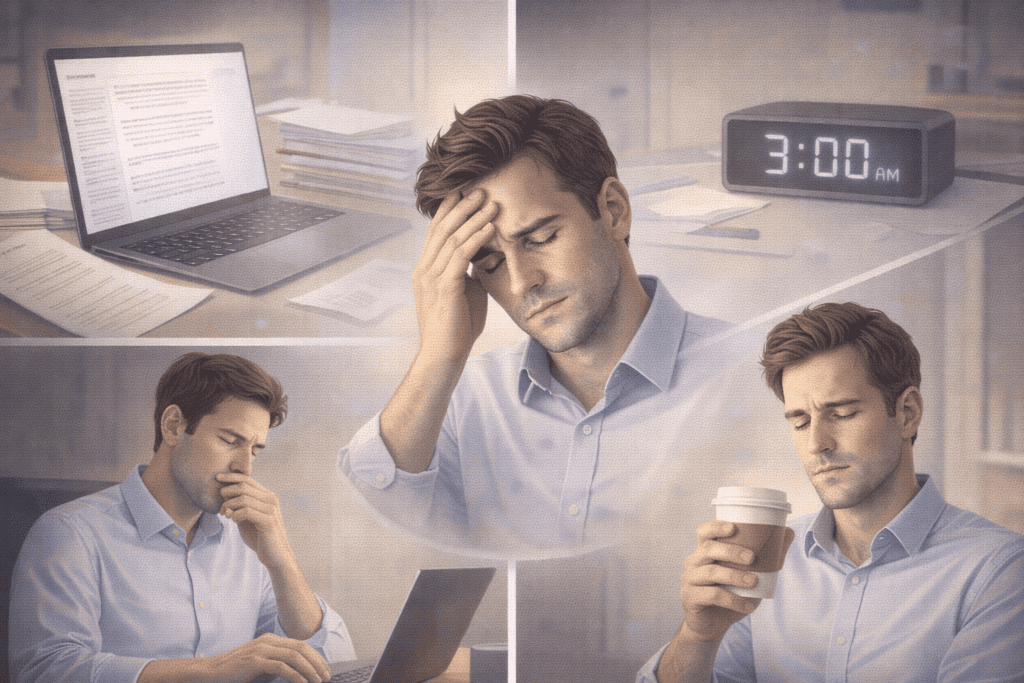
Hormones respond strongly to daily habits. After 30, lifestyle patterns often matter as much as biology when it comes to weight changes.
Chronic Stress and Limited Recovery
Ongoing stress keeps cortisol elevated. When recovery time is limited, the body stays in a defensive state rather than a balanced one.
This hormonal environment makes losing weight harder and encourages fat storage. Even motivated efforts can feel ineffective when stress stays high.
Poor Sleep Quality Affecting Hormone Signaling
Sleep plays a direct role in hormone regulation. Poor sleep disrupts signals tied to appetite, fullness, and energy use.
When sleep quality drops, leptin levels can fall while hunger hormones rise. This shift makes appetite harder to manage and consistency more difficult.
Inconsistent Eating Patterns
Irregular meals create repeated energy swings. These shifts can affect appetite regulation and increase cravings.
Skipping meals or eating erratically can amplify hormonal imbalance rather than support weight loss. Consistency often matters more than strict rules.
Reduced Physical Activity and Muscle Loss
Lower activity levels and loss of muscle mass reduce how efficiently the body burns energy. Strength training becomes more important after 30 because muscle supports metabolic function.
Without regular movement, weight gain becomes easier even when food intake feels controlled.
How Hormones Impact Weight Loss and Metabolism
Hormones influence how the body responds to calorie control. Fat loss often slows because hormonal signals favor conservation rather than release.
Cravings and appetite fluctuations become more noticeable as hormone levels shift. This makes dieting feel harder, not because of discipline, but because signals are stronger.
Fat storage patterns also change. Weight may settle in areas that were not an issue before, such as the abdomen, leading to frustration during plateaus.
These plateaus are common after 30. They reflect adaptation, not failure.
Signs Hormones May Be Affecting Your Weight Loss
Doing everything right while seeing little progress is a common sign. Effort stays consistent, but results stall.
Strong or unpredictable cravings may appear without clear triggers. Energy dips can interrupt routines and motivation.
Weight gain or fat storage in new areas is another signal that hormonal shifts may be influencing outcomes.
Hormones vs Discipline
Weight loss challenges after 30 are not always about willpower. Hormones strongly influence hunger, energy, and fat storage.
Blaming discipline often leads to frustration and extreme approaches. Understanding hormones creates room for more sustainable habits.
When expectations align with biology, progress becomes steadier and less stressful.
Practical Ways to Support Hormones Without Extremes
Supporting hormones does not require aggressive dieting or constant exercise. After 30, the body responds better to steady routines that reduce stress and support recovery.
Building consistent daily habits helps stabilize hormone levels. Regular meals, predictable sleep times, and balanced movement patterns support appetite regulation and energy levels.
Digestion, sleep, and stress balance work together. When these areas are supported, hormones involved in weight regulation tend to respond more favorably over time.
Some people include gentle daily wellness support like Nagano Tonic as part of a broader lifestyle approach focused on metabolic and hormonal balance. This type of support is optional and works best alongside sustainable habits, not extremes.
What Doesn’t Support Hormonal Balance
Chronic under eating can raise stress hormones and slow progress. Aggressive calorie cuts often backfire by increasing cravings and fatigue.
Excessive cardio without adequate recovery adds strain. Without rest, cortisol can remain elevated, making fat loss harder.
Ignoring sleep while focusing only on diet limits results. Hormones involved in recovery and appetite need consistent sleep to function well.
Expecting rapid fat loss despite hormonal changes often leads to frustration. Hormonal balance supports gradual progress, not instant results.
Common Myths About Hormones and Weight Loss After 30
Hormones do not completely prevent weight loss. They influence the pace and pattern of progress.
Eating less does not automatically fix hormone related weight gain. In some cases, restriction worsens imbalance.
Hormonal challenges affect both men and women. While experiences differ, biology plays a role for everyone.
Extreme exercise does not reset hormones. Recovery and consistency matter more than intensity.
What to Expect When You Support Hormonal Balance
Changes tend to happen gradually. Energy and appetite awareness often improve before weight shifts.
Fluctuations are normal during lifestyle adjustments. Progress rarely follows a straight line.
Patience and consistency matter more than short term effort. Hormonal support is about long term balance.
Before We Get to the FAQs
Hormonal balance takes time to influence body weight. Internal changes often happen before visible results.
Staying consistent allows these shifts to compound. This approach supports lasting progress rather than temporary fixes.
FAQs About How Hormones Affect Weight Loss After 30
How do hormones affect weight loss after 30?
Hormones affect weight loss after 30 by influencing appetite, energy use, and fat storage. These effects become more noticeable as hormone levels shift with age.
Why does weight loss slow down with hormonal changes?
Hormonal changes alter metabolism and hunger signals, which can slow fat loss even with consistent effort.
Can stress hormones cause weight gain after 30?
Yes. Elevated cortisol can promote fat storage and increase cravings, contributing to weight gain.
How does sleep affect hormones and weight loss?
Sleep supports hormone regulation. Poor sleep disrupts appetite and recovery, making weight loss harder.
Do hormones affect belly fat after 30?
Hormonal shifts can change fat distribution, often increasing abdominal fat storage.
Can lifestyle changes improve hormonal balance?
Yes. Managing stress, improving sleep, and maintaining consistent routines support hormonal balance.
How long does it take to see results when supporting hormones?
Some people notice changes in energy or appetite within weeks. Weight changes usually take longer.
Are hormonal changes the same for men and women?
Both experience hormonal changes, but patterns differ due to reproductive biology and aging processes.
Can digestion influence how hormones affect weight loss after 30?
Digestion affects nutrient use and blood sugar control, which can influence hormonal signals tied to weight.
Is hormonal weight gain permanent?
No. With consistent habits and realistic expectations, hormonal weight gain can often be managed.
Important Note on Health and Individual Needs
This content is for educational purposes only. Hormonal responses vary between individuals.
For persistent or complex concerns, professional guidance may be helpful.

One Last Thought
Hormonal changes are a normal part of aging, not a personal failure. Understanding how hormones affect weight loss after 30 helps shift the focus toward consistency, recovery, and realistic habits that support long term balance rather than short term fixes.