

You wake up feeling tired even after a full night in bed. Coffee helps for a while, but energy dips again by mid afternoon. Over time, weight gain starts showing up despite similar eating habits.
This is often where people begin noticing how sleep deprivation affects metabolism, especially after 30. The issue usually isn’t effort. It’s how ongoing sleep disruption quietly reshapes hunger, recovery, and energy balance.
Understanding How Sleep Deprivation Affects Metabolism
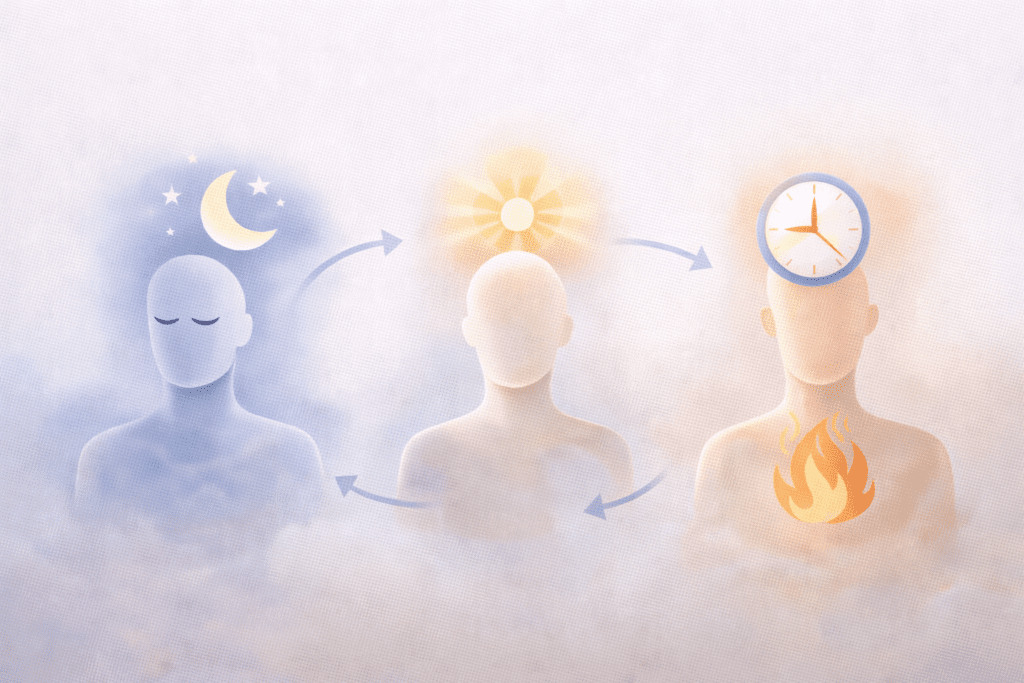
Sleep quality becomes more important as the body ages. After 30, recovery from stress and daily demands takes longer, and poor sleep has a stronger effect on metabolism.
The way how sleep deprivation affects metabolism is often underestimated compared to diet and exercise. Yet sleep influences hunger hormones, insulin response, and how efficiently energy is used.
Feeling tired doesn’t just affect mood. It can increase craving for calorie dense foods and reduce motivation for physical activity. Over time, this pattern can lead to gradual weight gain without obvious changes in routine.
Setting realistic expectations around sleep helps shift the focus from restriction to recovery. Metabolic balance depends on consistency, not perfection.
Who This Article Is For
This article is for adults over 30 experiencing persistent fatigue. It’s also for people struggling with weight changes despite similar eating habits.
Busy professionals, parents, or caregivers with irregular sleep may recognize these patterns. If you’re looking to support metabolism through recovery rather than restriction, this information is meant to help build awareness.
Why Sleep Problems Become More Common After 30
Work and family responsibilities often increase with age. Mental load stays high even when the day ends, making it harder to unwind at night.
Higher stress levels raise cortisol, which can interfere with sleep quality. Screen exposure and irregular schedules further disrupt sleep duration and recovery.
As a result, poor sleep becomes more frequent. Recovery from short or broken sleep becomes harder, and the body stays in a semi stressed state longer.
This shift is one reason how sleep deprivation affects metabolism becomes more noticeable after 30.
The Biological Reasons How Sleep Deprivation Affects Metabolism
Sleep plays a central role in how the body regulates energy. When sleep becomes irregular or too short, several biological systems shift at the same time. Together, these shifts explain how sleep deprivation affects metabolism, especially after 30.
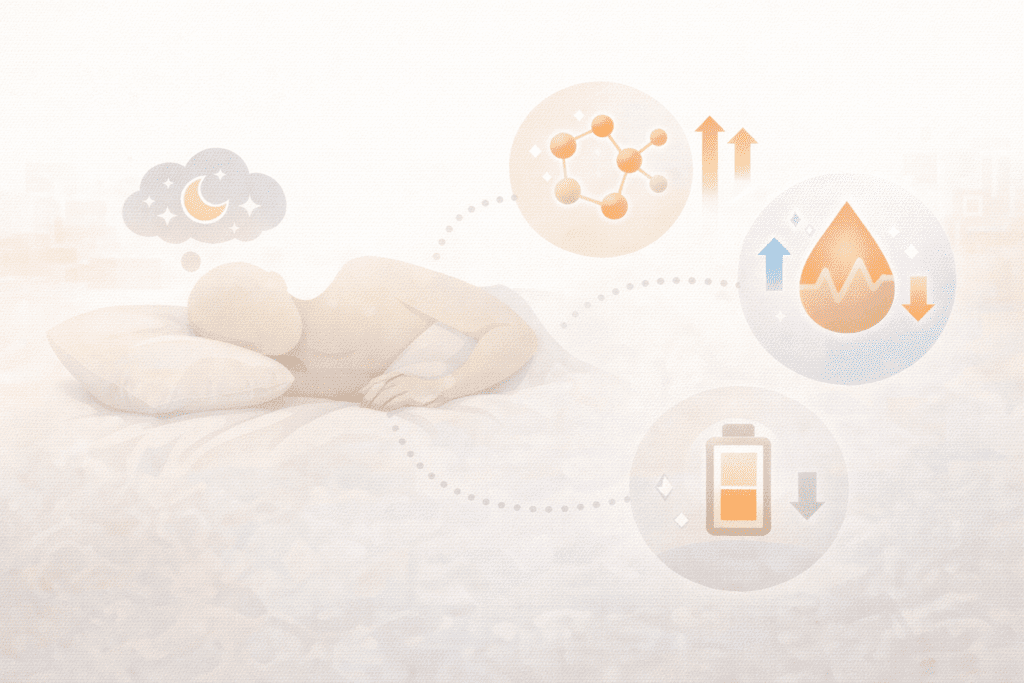
Hormonal Changes Affecting Hunger and Fullness Signals
Sleep loss alters hunger hormones. Ghrelin, which increases appetite, tends to rise when sleep is short. Leptin, which supports feelings of fullness, often drops.
This imbalance makes people feel hungrier and less satisfied after meals. Even when caloric intake hasn’t changed much, appetite feels harder to control. Over time, this pattern can contribute to weight gain without obvious overeating.
Blood Sugar Regulation and Insulin Sensitivity Shifts
Inadequate sleep affects how insulin works. When sleep is restricted, insulin sensitivity can decline, making blood sugar harder to manage.
Repeated disruptions are associated with reduced insulin sensitivity and greater metabolic strain over time, particularly in adults already under stress or experiencing poor sleep.
Reduced Energy Expenditure With Inadequate Sleep
Sleep deprivation can reduce daily energy use. When the body is tired, movement tends to drop and physical activity feels more effortful.
Lower energy expenditure doesn’t mean metabolism shuts down. It means the body conserves energy during waking hours. Over time, this shift can lead to gradual weight gain if intake stays the same.
Disrupted Circadian Rhythms and Metabolic Timing
Circadian rhythms help regulate when the body processes food most efficiently. Poor sleep disrupts this timing.
Eating and being active at odds with natural sleep cycles can create metabolic strain. This disruption explains why how sleep deprivation affects metabolism isn’t just about hours slept, but also about consistency and timing.
Lifestyle Factors That Worsen the Effects of Poor Sleep

Sleep deprivation rarely happens on its own. Daily habits often make its metabolic effects stronger, especially after 30 when recovery takes longer.
Late Night Eating and Irregular Meal Timing
When sleep schedules shift later, eating patterns often follow. Late night meals are more common when energy runs low at the end of the day.
Eating close to bedtime can interfere with blood sugar balance and digestion. Over time, this pattern increases the chance of weight gain, not because of one meal, but because timing stays inconsistent.
Increased Caffeine Dependence During the Day
Poor sleep usually leads to higher caffeine intake. Coffee and other caffeinated drinks help temporarily, but they don’t replace rest.
Relying on caffeine late in the day can make falling asleep harder. This creates a cycle where poor sleep leads to more stimulation, which then worsens sleep quality the next night.
Reduced Motivation for Physical Activity
Sleep deprivation affects motivation. Even light physical activity can feel exhausting when recovery is limited.
Lower activity levels reduce daily energy use and make metabolism less flexible. This doesn’t stop progress instantly, but over time it contributes to gradual weight gain.
Stress Accumulation and Limited Recovery Time
Poor sleep raises cortisol levels. When recovery is incomplete, stress accumulates instead of resetting.
This stress response helps explain why poor sleep is often associated with long term weight challenges and metabolic imbalance rather than short term tiredness alone.
How Sleep Deprivation Impacts Weight and Metabolism
Poor sleep increases hunger and cravings, especially for calorie dense foods. This happens even when meals are regular.
Tired states make it easier to consume more calories than the body needs. Over time, this calorie surplus can lead to weight gain without dramatic changes in diet.
Chronic sleep loss interferes with fat loss by altering hormone levels and insulin response. As sleep deprivation continues, belly fat often becomes more stubborn.
This pattern highlights how sleep deprivation affects metabolism beyond simply feeling tired.
Signs Sleep Deprivation May Be Affecting Your Metabolism
Persistent hunger despite eating enough is a common sign. Appetite feels less predictable and harder to satisfy.
Cravings for quick energy foods increase when tired. Energy stays low even with caffeine use.
Gradual weight gain without major diet changes is another signal. These changes often happen slowly and are easy to dismiss at first.
Sleep Deprivation vs Just Feeling Tired
Occasional tiredness is normal. It usually resolves after one good night of sleep.
Chronic sleep loss compounds stress on metabolic systems. Repeated short sleep nights add up and strain recovery.
Pushing through fatigue often backfires. Recognizing the difference between temporary tiredness and ongoing sleep deprivation supports better long term balance.
Practical Ways to Support Metabolism Through Better Sleep
Improving sleep does not require perfection. Small, consistent routines often have the biggest impact on metabolic balance after 30.
Creating regular sleep and wake times helps regulate circadian rhythms. Going to bed and waking up at similar times supports hormonal signals tied to appetite and energy use.
Evening wind down habits matter. Reducing screen exposure, dimming lights, and allowing mental downtime can improve sleep duration and recovery quality.
Aligning daily habits with natural sleep cycles also helps. Eating earlier in the evening and spacing meals away from bedtime supports better blood sugar control overnight.
Some people also include gentle nighttime wellness support like SleepLean as part of a broader routine focused on sleep quality and metabolic balance. This approach is about supporting recovery rather than compensating for sleep loss.
What Doesn’t Help When You’re Sleep Deprived
Relying heavily on caffeine to override fatigue often worsens sleep patterns. It may improve alertness short term but increases disruption later.
Eating less to compensate for low energy can increase hunger hormones and cravings. Restriction rarely fixes the metabolic strain caused by poor sleep.
Overtraining without adequate recovery adds stress to an already tired system. Exercise supports health best when paired with rest.
Expecting diet alone to counter poor sleep usually leads to frustration. Sleep affects metabolism in ways food cannot fully replace.
Common Myths About Sleep and Metabolism
You cannot fully make up for lost sleep on weekends. Recovery sleep helps, but consistency matters more.
Sleep affects metabolism almost as much as food quality. Poor sleep alters insulin sensitivity, appetite, and energy use.
Feeling tired does not mean calories stop burning instantly. The issue is how sleep loss changes behavior and hormones over time.
Supplements do not replace healthy sleep habits. They work best, if used at all, alongside consistent routines.
What to Expect When You Improve Sleep After 30
Energy and appetite control often improve first. Weight changes usually come later.
Cravings tend to reduce before visible fat loss appears. This shift signals improved hormonal balance.
Fluctuations are normal while adjusting schedules. Consistency matters more than occasional disruptions.
Over time, better sleep supports long term metabolic health without extreme effort.
Before We Get to the FAQs
Metabolic improvements take time because multiple systems need to rebalance. Hormones, blood sugar, and recovery don’t adjust overnight.
Energy and hunger often stabilize before body weight changes. Patience supports lasting results.
FAQs About How Sleep Deprivation Affects Metabolism
How does sleep deprivation affect metabolism after 30?
Sleep deprivation affects metabolism by disrupting hunger hormones, insulin response, and daily energy use, which becomes more noticeable after 30.
Can poor sleep slow metabolism over time?
Yes. Chronic poor sleep can reduce metabolic efficiency and increase fat storage tendencies.
Does sleep deprivation increase belly fat?
Ongoing sleep deprivation raises cortisol, which is linked to increased belly fat storage.
How many hours of sleep support healthy metabolism?
Most adults function best with enough sleep each night, typically seven to nine hours, though needs vary.
Can lack of sleep increase hunger hormones?
Yes. Ghrelin often rises and leptin falls with insufficient sleep, increasing appetite.
Does sleep deprivation affect insulin sensitivity?
Sleep loss can reduce insulin sensitivity, making blood sugar harder to regulate.
How long does it take to notice metabolic changes from better sleep?
Energy and appetite may improve within weeks. Weight changes usually take longer.
Can stress worsen how sleep deprivation affects metabolism?
Stress and poor sleep often amplify each other, increasing metabolic strain.
Is metabolism recovery possible after chronic poor sleep?
Yes. Consistent sleep habits can gradually restore metabolic balance.
Can better sleep support long term weight management?
Better sleep supports appetite regulation, energy balance, and sustainable weight management.
Important Note on Health and Individual Needs
This content is for educational purposes only. Sleep needs and metabolic responses vary between individuals.
For ongoing or severe sleep concerns, professional guidance may be helpful.

One Last Thought
Sleep is often the missing link in metabolic health. Understanding how sleep deprivation affects metabolism shifts the focus away from willpower and toward recovery, consistency, and realistic habits that support long term balance after 30.