

Metabolism often slows with age, even when eating and exercise habits stay the same. This shift can affect how many calories your body uses for energy each day.
Learning how to increase metabolism naturally becomes more important after 30 because extreme dieting and shortcuts usually lead to slower results and lower energy over time.
Understanding How to Increase Metabolism Naturally After 30
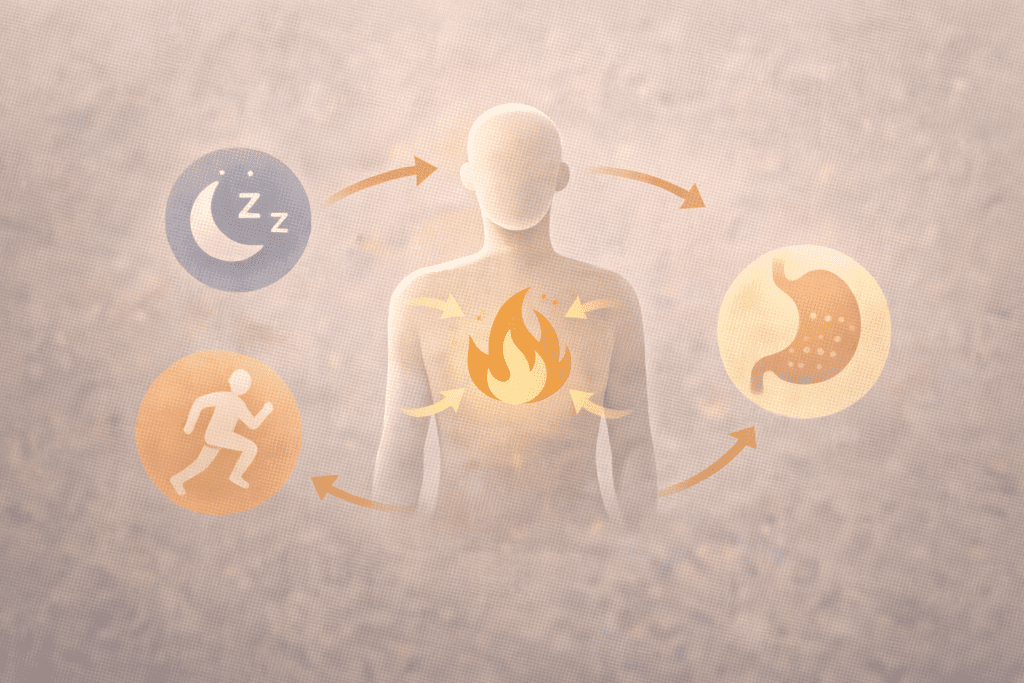
After 30, many people notice their energy feels lower and fat becomes harder to lose. This doesn’t mean something is broken. It usually means the body is responding differently to sleep, stress, and daily movement.
Metabolism is the process the body uses to convert food into energy for vital functions like circulating blood, repairing cells, and maintaining body temperature. When metabolism slows, the body may use energy less efficiently, even during rest.
Extreme approaches often backfire. Severe calorie cuts or restrictive diets can signal the body to conserve energy, making weight loss harder. Natural approaches focus on consistency and support rather than forcing rapid change.
Setting realistic expectations matters. Natural methods may help increase metabolism, but changes happen gradually. Energy improvements often show up before visible fat loss, and that’s normal.
Who This Article Is For
This article is for adults over 30 in the United States who feel their metabolism has slowed and their energy isn’t what it used to be. It’s also for people who want to lose weight without relying on restrictive or extreme methods.
If you’re interested in long term metabolic health and habits that support overall health, this approach is designed with you in mind.
Why Metabolism Becomes Harder to Increase After 30

One reason metabolism becomes harder to change is gradual muscle loss. Muscle is metabolically active tissue, and losing lean muscle can reduce how many calories you burn each day.
Hormonal and stress-related changes also play a role. Shifts in hormone levels can affect appetite, fat storage, and energy use. Genetics and certain health conditions can also influence how the body regulates energy.
Recovery matters more with age. Poor sleep and inactivity don’t just cause fatigue. They can slow metabolism and reduce the body’s ability to burn calories efficiently.
Lifestyle factors like physical activity, sleep quality, and nutrition start to matter more than trying to eat fewer calories alone.
The Biological Reasons Metabolism Slows With Age
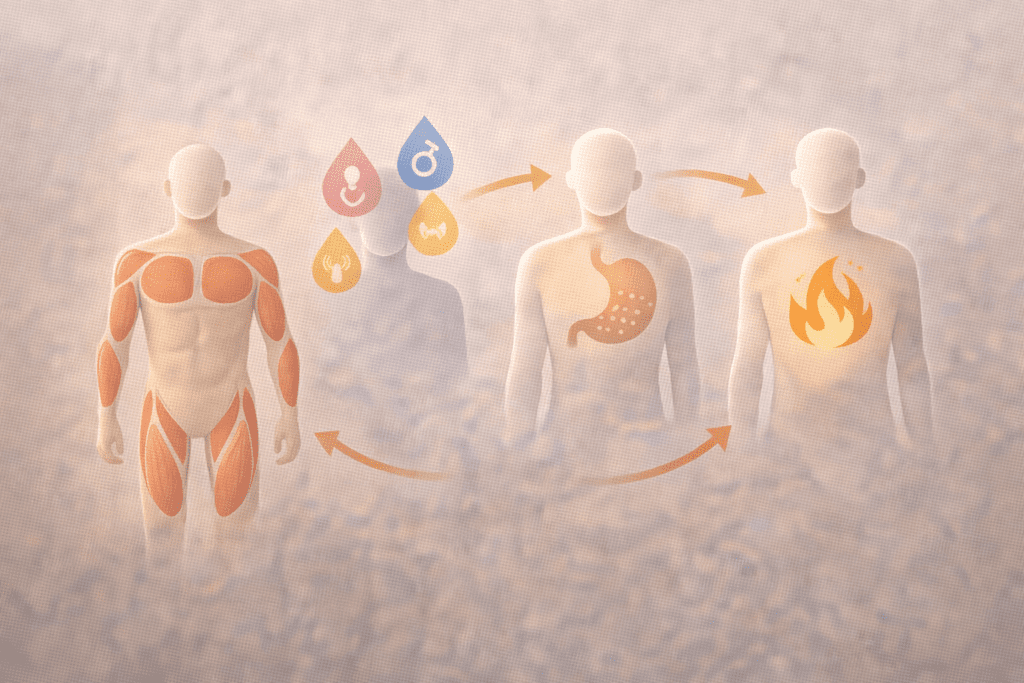
Muscle Mass and Resting Metabolic Rate
Muscle mass helps determine your basal metabolic rate, also known as BMR. BMR reflects how many calories your body uses at rest to support vital functions.
As muscle mass decreases, resting energy use drops. This makes it easier to gain weight even without eating more food.
Hormonal Regulation of Energy Use
Hormones influence how the body stores fat and uses carbohydrates for fuel. Stress hormones and changes linked to age can slow energy use if not managed well.
Blood Sugar Balance and Insulin Sensitivity
When blood sugar regulation becomes less efficient, the body may store more fat instead of using it for energy. This can affect how many calories you burn throughout the day.
Digestive Efficiency and Nutrient Absorption
Digestive changes can reduce how well nutrients are absorbed. When the body doesn’t get what it needs, energy levels drop and metabolism often responds by slowing further.
For example, two people may eat the same number of calories, but the one with better sleep and muscle support may burn more calories across the day.
Signs Your Metabolism May Need Support
A slow metabolism doesn’t always announce itself clearly. Often, the signs show up in small, frustrating ways that are easy to ignore at first.
Low energy is one of the most common signals. Even with enough sleep, you may feel sluggish during the day. Some people also notice frequent hunger or cravings, especially between meals, despite eating a reasonable number of calories.
Feeling cold more often can also be a clue. When metabolism slows, the body may conserve energy instead of producing heat efficiently. Gradual weight gain without major habit changes is another sign, especially when fat seems easier to gain and harder to lose.
These signals don’t mean something is wrong. They usually suggest the body needs better support to burn calories and regulate energy.
Lifestyle Factors That Influence How to Increase Metabolism Naturally
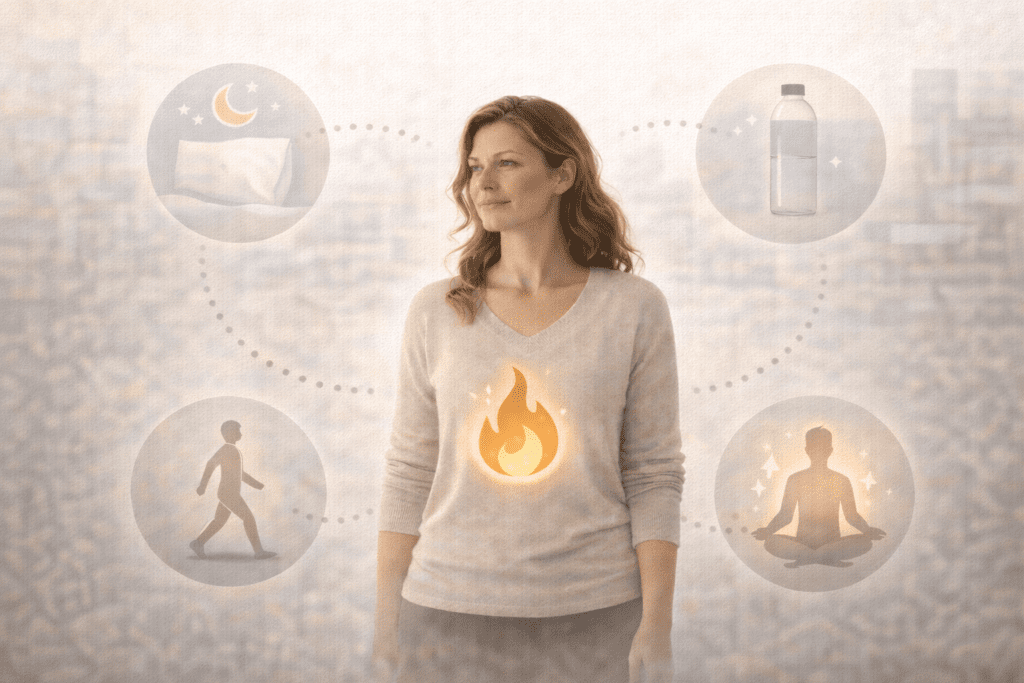
Food matters, but daily habits often have a bigger impact on whether metabolism stays active or becomes slow over time.
Daily Movement and Activity Levels
Regular physical activity helps the body use energy more consistently. This doesn’t mean every workout needs to be intense. Walking, stretching, and light movement all contribute to daily energy use.
Strength training is especially helpful because it supports lean muscle. Muscle tissue increases how many calories the body uses, even at rest. Activities like lifting weights or using resistance bands can support this without long workouts.
High-intensity interval training, often called HIIT, can also help by creating short bursts of effort that challenge the body. Short periods of higher effort may temporarily increase energy use after exercise.
Sleep Quality and Recovery
Poor sleep is a major reason metabolism slows. When sleep per night drops, hunger hormones shift, and the body may burn fewer calories the next day.
Sleep is important for repairing cells and regulating hormone levels tied to appetite and energy. Without enough recovery, even good nutrition and exercise may not work as well.
Stress Management and Cortisol Balance
Chronic stress can signal the body to conserve energy. Elevated stress hormones may encourage fat storage instead of fat burning, even when calorie intake doesn’t change.
Simple stress management habits, like consistent routines or light movement, may help keep metabolism responsive over time.
Meal Timing and Hydration Habits
Skipping meals or eating very late can disrupt energy balance. Regular meal timing helps the body anticipate fuel and use calories more efficiently.
Hydration matters too. Water is essential for metabolic reactions and helps circulate nutrients through the bloodstream. Even mild dehydration can make energy feel low and metabolism feel slow.
Increasing Metabolism vs “Speeding It Up”
There’s an important difference between supporting metabolism and trying to speed it up.
Metabolism responds gradually, not instantly. Extreme approaches often promise a fast metabolism overnight, but they usually rely on extreme calorie restriction or overtraining. These methods often backfire by making metabolism even slower.
Natural support focuses on habits that help the body burn calories steadily. It’s less dramatic, but more reliable over time.
Setting realistic expectations matters here. Energy usually improves first. Fat loss tends to follow later, once habits become consistent.
How Increasing Metabolism Naturally Supports Weight Loss
When metabolism functions more efficiently, weight loss tends to feel steadier rather than forced. A more responsive metabolism helps the body use energy more effectively throughout the day, not just during exercise.
One benefit is improved energy. When energy levels rise, people naturally move more, which increases daily calorie use without adding extra workouts. This kind of movement often feels easier to maintain long term.
Better appetite awareness is another effect. Supporting metabolism helps regulate hunger signals, reducing sudden cravings and energy crashes. That balance can make it easier to lose weight without constant restriction.
Natural approaches work best because they support fat loss gradually. Instead of pushing the body into stress mode, they help create conditions where the body can burn fat more consistently over time.
Practical Ways to Increase Metabolism Naturally
Supporting metabolism doesn’t require complicated routines. Small, repeatable habits usually make the biggest difference.
Prioritizing Strength Building and Consistent Movement
Strength training supports lean muscle, which helps the body burn calories even at rest. Building muscle doesn’t require heavy gym sessions. Bodyweight exercises, resistance bands, or lifting weights a few times per week can help increase metabolism naturally.
Combining strength work with regular physical activity like walking or light aerobic exercise supports steady energy use across the day.
Supporting Digestion With Balanced Nutrition
Balanced meals that include protein, carbohydrates, and healthy fats help the body use energy more efficiently. Nutritious foods support digestion and reduce large swings in blood sugar that can slow metabolism.
Avoiding extreme calorie restriction matters here. Eating too few calories can signal the body to conserve energy, making fat loss harder.
Creating Routines That Support Sleep and Stress Recovery
Sleep and stress recovery influence metabolism more than many people expect. Consistent sleep schedules help regulate hormone levels tied to appetite and energy.
Stress management also matters. Chronic stress can slow metabolism and increase fat storage, even when food intake stays the same.
Some people also include gentle daily wellness support like Nagano Tonic as part of a broader lifestyle approach focused on digestion and metabolic balance, rather than relying on extreme methods. It’s optional and works best alongside steady habits.
What Doesn’t Increase Metabolism Naturally
Certain habits may feel productive but often work against metabolism.
Chronic calorie restriction can slow metabolic rate and reduce energy. Overtraining without enough recovery may increase fatigue and stress hormones. Ignoring sleep while focusing only on exercise often leads to slower progress.
Expecting rapid results from a single habit is another common issue. Metabolism responds to patterns, not shortcuts.
Common Myths About How to Increase Metabolism Naturally
Myth: Metabolism cannot change after 30
Metabolism can adapt when supported with the right habits.
Myth: Eating less always increases metabolism
Eating too few calories can make metabolism slower over time.
Myth: One habit dramatically boosts metabolism overnight
Real changes happen gradually, not in a single day.
Myth: Supplements replace lifestyle consistency
Lifestyle habits still matter most, even when supplements are used.
What to Expect When You Focus on Natural Metabolism Support
When you focus on natural support, changes tend to show up quietly at first. Energy usually improves before visible weight loss. That’s because metabolism plays a role in how the body uses fuel long before fat loss becomes noticeable.
Plateaus are normal. They don’t mean your metabolism stopped responding. They often reflect short-term adjustments as the body adapts to new routines.
Fluctuations in energy or weight can happen, especially during schedule changes or poor sleep. This is why patience matters. A steady approach supports a healthy metabolic rate better than forcing rapid change.
Before We Get to the FAQs
Metabolic improvements take time because metabolism supports many of the body’s daily energy needs. It responds to patterns, not single actions.
Energy changes often come first. Weight loss usually follows once habits stabilize. Consistency helps the body feel safe enough to release stored fat instead of holding onto it.
FAQs About How to Increase Metabolism Naturally
How can I increase metabolism naturally after 30?
You can increase metabolism naturally by focusing on strength training, regular physical activity, adequate sleep, and balanced nutrition. These habits support how many calories your body uses each day.
Does exercise help increase metabolism naturally?
Yes. Exercise supports muscle mass and daily energy use, which can influence basal metabolic rate over time. Strength training and aerobic activity both play a role.
Can sleep affect how to increase metabolism naturally?
Poor sleep can slow metabolism by disrupting hormone levels tied to hunger and energy. Getting enough sleep per night supports a healthier metabolic response.
How does stress slow metabolism?
Chronic stress can increase cortisol, which may encourage fat storage and reduce calorie burning. Managing stress helps metabolism stay responsive.
Does digestion play a role in metabolism?
Yes. Efficient digestion helps the body absorb nutrients and use calories effectively instead of storing excess energy.
How long does it take to notice metabolic changes naturally?
Energy improvements may appear within weeks. Visible weight loss often takes longer and depends on consistency.
Can diet alone increase metabolism naturally?
Diet helps, but metabolism responds best when nutrition is paired with movement, sleep, and stress management.
Is metabolism increase permanent with lifestyle changes?
Metabolism can remain higher as long as supportive habits continue. Dropping routines may lead to a slow metabolism again.
Does muscle mass help increase metabolism naturally?
Yes. Lean muscle is metabolically active and helps burn more calories throughout the day.
Are natural methods better than quick fixes for metabolism?
Natural methods support long-term results. Quick fixes often rely on extreme calorie restriction, which can slow metabolism and lead to weight gain later.
Important Note on Health and Lifestyle Needs
This content is for educational purposes only and reflects general health information. Metabolic responses vary between individuals, and professional guidance from a registered dietitian or healthcare provider may be helpful for personal concerns.

One Last Thought
Learning how to increase metabolism naturally is less about forcing change and more about supporting the body consistently. After 30, habits that prioritize movement, recovery, and nutrition tend to create better energy, balance, and sustainable weight loss than any shortcut.