

Many adults focus on what they eat or how much they exercise, but overlook what happens first thing in the morning. That’s a mistake-especially after 30.
For people in their 30s, 40s, and beyond, small choices made early in the day often shape everything that follows. Energy levels, appetite, focus, and even food choices later in the day are influenced by how the morning starts.
This is why morning habits for weight loss matter more than most people expect.
Here’s what I noticed while researching this topic: when weight loss becomes harder with age, mornings often become rushed, inconsistent, or reactive. Skipped breakfasts. Quick coffee. Little movement. High stress. None of these feel dramatic, but together they set the tone for the entire day.
Over time, these patterns can contribute to weight gain, stronger craving, and slower progress-even when someone is eating reasonably well.
Why Mornings Affect Weight More Than You Think

After 30, the body becomes more sensitive to routine.
The morning routine influences hormones, blood sugar, and metabolism in ways that affect how the body uses energy. When mornings are chaotic, the body often shifts into a stress-driven mode. When mornings are steady, the body tends to regulate itself better.
This doesn’t mean mornings need to be perfect. It means they need to be consistent.
Simple actions like light movement, hydration, and calm focus can help the body transition smoothly from rest to activity. When that transition is rushed or skipped, energy dips are more likely, which can lead to poor food decisions later.
The Link Between Mornings and Metabolism
Your metabolic rate doesn’t reset at midnight-but it does respond to signals sent early in the day.
Morning behaviors affect:
- How quickly the body wakes up and uses energy
- How stable blood sugar levels remain
- Whether hunger hormones spike too early
- How the body handles calories throughout the day
This is why research shows that structured mornings often support better weight management than reactive ones.
For adults over 30, this matters even more because the body is less forgiving of irregular habits.
Why Mornings Can Support or Sabotage Weight Loss
Many people think weight loss depends only on willpower. In reality, habits matter more.
When mornings lack structure:
- Hunger builds faster
- Food cravings increase
- Energy crashes happen earlier
- High-calorie choices feel harder to resist
When mornings are calm and intentional, people often report better control, steadier energy, and fewer impulsive choices.
This is why morning habits that help support weight loss don’t need to be extreme. They need to be repeatable.
A Quick Reality Check
If weight loss has felt harder lately, it doesn’t mean you’re failing.
It usually means your body is responding to patterns that matter more now than they did before. Mornings are one of those patterns.
Understanding why mornings matter is the first step. In the next section, we’ll break down the biological and lifestyle reasons behind this-without products, hype, or shortcuts.
Why Morning Habits Influence Weight Loss After 30
Before looking at specific morning actions, it’s important to understand why mornings matter more after 30. The body doesn’t respond the same way it did in the early 20s. Small daily patterns now have a bigger effect on weight loss, energy, and appetite.
This shift is mostly biological, but lifestyle plays a role too.
The Body Is More Sensitive to Early-Day Signals
After 30, the body becomes more responsive to signals it receives early in the day.
Morning behaviors influence:
- Metabolism and how quickly it ramps up
- Blood sugar control
- Hunger and fullness cues
- How the body uses calories
If these signals are rushed or ignored, the body often stays in a low-energy or stress-focused state longer than it should.
That’s one reason inconsistent mornings can quietly slow weight loss.
Blood Sugar Control Starts Early

What happens in the morning strongly affects blood sugar levels for the rest of the day.
Skipping meals, relying only on coffee, or eating high-calorie and high-sugar foods early can cause blood sugar spikes and crashes. These swings often increase craving and make overeating more likely later in the day.
Stable mornings help keep blood sugar steady, which supports better appetite control and more consistent energy.
This is especially important for adults over 30, because blood sugar regulation tends to become less flexible with age.
Morning Habits Affect Metabolism All Day
Your metabolic rate responds to activity, food, and stress in the early hours.
Light movement, hydration, and regular eating patterns send signals that the body should start using energy. When mornings are inactive or stressful, the body may stay in a conservation mode longer.
Over time, this can reduce how many calories the body burns and make weight loss feel slower.
This doesn’t mean you must exercise intensely every morning. It means some form of intentional movement or structure helps.
Stress in the Morning Can Drive Weight Gain

Stress first thing in the morning sets a tone the body carries forward.
Rushing, checking emails immediately, or skipping basic self-care can raise stress hormones early. That stress can increase hunger, reduce focus, and push the body toward storing body fat instead of using energy.
Repeated day after day, this pattern can lead to weight gain, even when diet looks reasonable.
This is why mindfulness and calm routines are often linked to better weight outcomes.
Muscle and Energy Use Decline Without Morning Support
As people age, muscle and energy output slowly decline without consistent support.
Mornings that include light movement or a high-protein breakfast help signal the body to preserve muscle and use energy efficiently. Without those signals, the body may burn fewer calories throughout the day.
Over time, this can affect body weight and make it harder to lose weight, even with good intentions.
Why Consistency Matters More Than Perfection
The biggest mistake people make is thinking mornings need to be perfect.
They don’t.
What matters is consistency. Simple healthy habits repeated most days do more for weight management than extreme routines done occasionally.
This is why morning habits for weight loss focus on stability, not intensity.
How Morning Habits Can Support Weight Loss After 30
This section focuses on specific biological systems influenced by morning habits. Each block explains one mechanism only, followed by a neutral mention of a related support option.
1) Morning Stress, Cortisol, and Appetite Control
How the morning begins affects stress hormones.
When mornings are rushed or chaotic, the body releases more cortisol. Cortisol can increase appetite and encourage the body to hold onto body fat, especially during stress. Over time, this can interfere with weight loss efforts.
Calmer mornings help lower stress signals and support better appetite regulation throughout the day.
Some people explore Nagano Tonic because it’s positioned around stress response and cortisol balance. It’s not meant to cause weight loss, but to support stress management.
This is typically where readers choose to learn more through an internal review.
2) Cellular Energy and Morning Metabolism
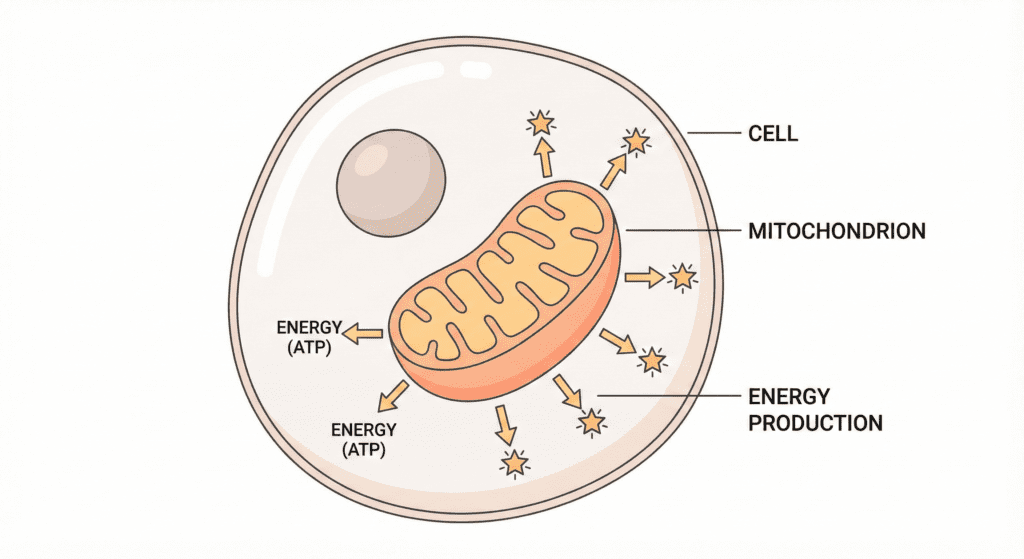
Morning habits influence how quickly the body starts producing energy.
When cells produce energy efficiently, the body is more likely to use calories for fuel rather than storing them. Poor morning routines can slow this process, affecting metabolism and daily energy use.
Supporting cellular energy early in the day can help the body stay active and responsive.
Mitolyn is often discussed in this context because it focuses on cellular energy and mitochondrial function. It’s positioned as support for energy production, not a fat-burning product.
Readers who want details usually continue to a full internal review.
3) Blood Sugar Stability and Cravings
Morning food choices strongly affect blood sugar for the rest of the day.
Large sugar spikes early can lead to crashes, increased craving, and overeating later. Stable blood sugar supports steadier appetite and energy, which can help you lose weight over time.
Balanced mornings reduce sharp insulin swings that can contribute to weight gain.
Ikaria Lean Belly Juice is often mentioned for its positioning around blood sugar and insulin balance. It’s discussed as a supportive option alongside healthy eating.
This is where many readers naturally explore a detailed internal review.
4) Morning Thermogenesis and Calorie Use
The body burns calories differently depending on how the morning starts.
Morning movement and routine can increase thermogenesis, which affects how many calories the body uses throughout the day. Without this signal, the body may stay in energy-saving mode longer.
This can make weight loss feel slower, even with consistent habits.
Java Burn is commonly discussed in relation to morning thermogenesis. It’s positioned around supporting early-day calorie use, not forcing results.
Readers often explore it further through an internal review.
5) Protein Intake, Muscle, and Metabolic Rate

Protein intake in the morning supports muscle maintenance.
Muscle helps keep metabolic rate higher and supports daily calorie use. Low protein intake can lead to muscle loss, which may slow weight loss and increase body fat over time.
A high-protein breakfast helps support muscle and appetite control.
Programs like The Smoothie Diet are discussed because they emphasize protein intake in a structured way. The goal is muscle preservation, not restriction.
This is another point where readers may continue to a full internal review.
6) Sleep Quality and Morning Energy Regulation
Morning habits are strongly linked to sleep quality the night before.
Poor sleep disrupts hunger hormones and energy regulation, making mornings harder and increasing the chance of poor food choices. Over time, this pattern can interfere with weight loss.
Better sleep supports morning energy and appetite balance.
SleepLean is often mentioned for its focus on sleep quality and hormonal recovery. It’s positioned around supporting rest, not calorie burning.
This is typically where readers explore more details through a separate review.
Key Takeaways, Final Verdict, and FAQs
By now, the role of mornings should be clear.
For adults over 30, morning habits for weight loss aren’t about doing more. They’re about doing a few simple things consistently. Small choices made early can shape appetite, energy, and focus for the rest of the day.
This is why mornings often have a bigger impact than people expect.
What This Means in Real Life
Weight loss doesn’t start at lunch or dinner. It often starts when you wake up.
Calm, structured mornings tend to support:
- Better blood sugar control
- Fewer food cravings
- More stable energy
- Smarter food choices
- A steadier metabolism
When mornings are rushed or skipped, the body often stays in stress mode longer. That can make it harder to lose weight, even when meals look reasonable.
The goal isn’t perfection. It’s creating a healthy morning you can repeat.
How Morning Habits Support Long-Term Results
Morning routines don’t cause instant changes on the scale. Their value shows up over time.
Consistent mornings help:
- Reduce impulsive eating
- Support a healthy metabolism throughout the day
- Lower the risk of weight gain
- Improve follow-through on weight loss goals
This is why mornings are often linked to sustainable weight loss, not quick fixes.
When habits are simple, they’re easier to maintain. And maintenance is what leads to lasting results.
Final Verdict

So, do morning habits really matter for weight loss?
Yes-but not because they burn a lot of calories on their own.
Morning habits for weight loss work because they set the tone for appetite, energy, and decision-making all day long. Over time, this can support better weight management and reduce setbacks.
The people who tend to see the best results aren’t doing extreme routines. They’re consistent with a few basics they can stick to.
That’s the real advantage.
Frequently Asked Questions (FAQs)
Do I need to wake up early to lose weight?
No. Timing matters less than consistency. A steady routine works whether your morning starts early or later.
Is breakfast required for weight loss?
Not always. Some people do well with breakfast, others don’t. What matters is how your morning affects blood sugar, energy, and cravings.
Does morning exercise matter more than later workouts?
Not necessarily. Morning exercise can help some people stay consistent, but exercise at any time can support weight loss efforts.
Why do cravings show up later in the day?
Often because mornings lacked structure. Unstable mornings can lead to energy dips and stronger cravings later.
Can mindfulness really affect weight?
Yes. Mindfulness can reduce stress eating and improve awareness of hunger cues, which can help you lose weight over time.
How long before morning habits make a difference?
Many people notice better energy and focus within weeks. Changes in body weight usually take longer and depend on overall consistency.
Can practicing practice mindfulness in the morning routine help you lose weight?
Yes. Starting your morning with practice mindfulness, such as 10 to 15 minutes sitting comfortably and focusing on breath, may help you lose weight by reducing stress-eating and improving sleep quality at night. Mindfulness can increase weight-related awareness, help you stay on a meal plan, reduce impulsive calorie intake, and support better choices throughout the day, which may promote weight loss when combined with diet and exercise.
How can a morning routine for weight loss start your day to burn more calories?
A structured morning routine that includes exercising in the morning, a high-protein breakfast, and morning sunlight can increase your energy expenditure and metabolic rate. Working out in the morning or taking a morning walk can boost energy and may help you burn more calories during the day. Pairing that with a morning meal that includes grams of protein and fiber (for example, greek yogurt with chia seeds) supports appetite control and helps maintain calorie intake goals for your weight loss journey.
Which habits for weight and weight management should I include in a healthy morning?
Key habits for weight and weight management in a healthy morning include hydrating when you wake, eating a high-protein breakfast or morning meal (greek yogurt with fruit and chia seeds is a good option), a short exercise routine or walk, and a brief mindfulness or planning session to set your daily meal plan. These daily habits can aid in weight loss and prevent weight gain by helping you stay on track with calorie intake and increasing your energy expenditure.
Do morning habits for weight loss like a high-protein breakfast actually help you lose weight?
Yes, a high-protein breakfast can help you lose weight because protein increases satiety, helps preserve lean muscle mass, and can increase the amount of weight loss over time when combined with exercise. Eating 20–30 grams of protein (grams of protein) at breakfast, such as greek yogurt or eggs, can reduce later-day calorie intake and support fat for fuel during morning workouts.
What are 10 morning habits that may help you lose weight and improve energy?
Ten morning habits that may help you lose weight include: 1) drink water upon waking to stay hydrated throughout the day, 2) light stretching or a short workout, 3) morning sunlight exposure, 4) a high-protein breakfast like greek yogurt with chia seeds, 5) practice mindfulness for 10 to 15 minutes, 6) write a food journal or plan meals, 7) prioritize protein to control calorie intake, 8) a brisk morning walk to increase your energy expenditure, 9) avoid quick sugary drinks that spike energy then drop it, and 10) review your exercise routine and daily goals to help you stay consistent on your weight loss journey.
Is the best morning time to exercise important for weight loss: morning versus the afternoon?
Both morning and afternoon workouts can aid in weight loss, but exercising in the morning may promote consistency and help you burn more calories across the day by increasing activity and reducing sedentary time. Some people find working out in the morning helps them stick to a routine, improves sleep quality at night, and boosts energy during the day. The best morning is the one you can maintain regularly as part of daily habits that increase your overall energy expenditure.
How can a healthy morning eating plan and meal plan influence calorie intake and weight management?
A healthy morning eating plan that includes a balanced morning meal-prioritizing protein, fiber, and healthy fats-can lower hunger and reduce total daily calorie intake. Including foods like greek yogurt, chia seeds, and whole grains supports steady energy and may help you lose weight by preventing overeating later. A consistent meal plan also helps you track calories, manage portions, and align diet and exercise goals for lasting weight management.
Will starting your day with morning sunlight and a morning walk help increase your metabolic rate?
Exposure to morning sunlight can help regulate circadian rhythms and improve sleep quality at night, which indirectly supports weight loss and energy balance. Pairing sunlight with a morning walk increases activity and may help increase your metabolic rate slightly through added movement and increased energy expenditure. Over time these effects can have a beneficial effect on weight loss and help prevent weight gain when combined with healthy eating.
Can small habits for weight like tracking a food journal and practicing mindfulness each morning may help you lose weight?
Yes. Small daily habits such as keeping a food journal, practicing mindfulness for stress reduction, planning meals, and making mindful choices about what you eat and drink in the morning can cumulatively reduce calorie intake and improve adherence to an exercise routine. When you’re trying to lose weight, these simple steps may promote weight loss by increasing accountability, boosting energy, and helping you stay consistent with 10 morning habits that support long-term weight loss and prevent weight gain.
One Last Thought
If weight loss has felt harder lately, it doesn’t mean you need a stricter plan.
It often means your mornings need a little more intention.
Focus on habits you can repeat. Keep them simple. And remember-small choices, done daily, are what support long-term weight loss.