

A lot of people believe that more workouts always mean faster results. If weight loss slows down, the first instinct is often to add more exercise days and push harder. But many adults notice something frustrating instead-more fatigue, sore muscles, and little progress.
This is where rest days important for weight loss often get misunderstood.
After 30, recovery doesn’t happen as fast as it used to. You might feel tired even after a normal workout. Muscles stay sore longer. Motivation drops. Some people even feel like their body is working against them, despite exercising often.
The issue usually isn’t effort. It’s recovery.
Exercise creates stress on the body. That stress is useful-but only when there’s enough time to recover. Without proper rest, the body stays in a constant state of strain. Over time, this can stall fat loss and increase frustration.
Skipping a rest day may feel productive in the short term, but it can quietly slow progress. Weight loss doesn’t happen only during workouts. A large part of it happens when the body repairs, adapts, and resets.
Understanding this shift is especially important for adults over 30 who want steady, realistic results.
The Biological and Lifestyle Reasons Rest Days Matter After 30
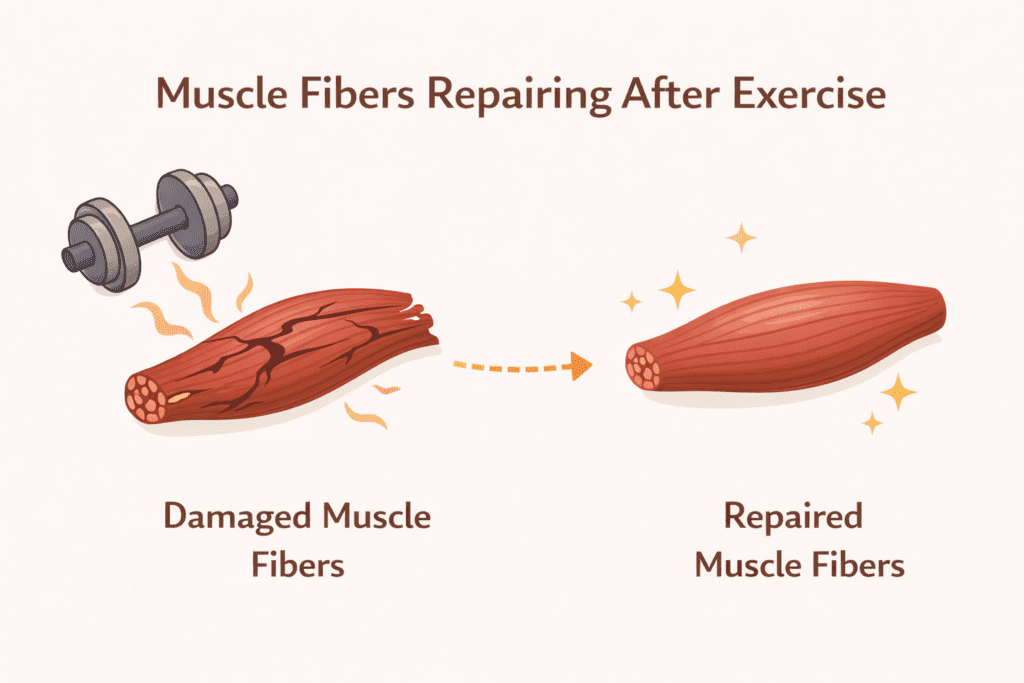
When you exercise, muscles don’t grow or strengthen during the workout itself. Exercise creates microscopic tears in muscle fibers. These tears need time to heal. That healing happens during recovery-not during training.
As people age, the body to recover process slows. Hormones involved in repair and growth respond more gradually. This means muscles need more time to recover than they did in your 20s.
Rest also helps regulate stress hormones. Frequent intense exercise without breaks can raise cortisol levels. Over time, this stress response can interfere with fat loss and increase fatigue. This is one of the signs of overtraining many adults overlook.
Another benefit of rest is injury prevention. Without recovery days, joints and connective tissue don’t get a chance to reset. Small aches can turn into bigger problems.
Rest days allow the body to adapt, not just survive. They give your body a chance to rebuild, restore energy, and prepare for the next workout. This balance becomes more important as fitness goals shift toward long-term health instead of short bursts of effort.
How Rest Days Support Weight Loss
It sounds backward at first, but taking a rest day can actually move your progress forward.
Weight loss isn’t just about burning calories during exercise. It’s also about how well your body recovers afterward. When recovery is poor, the body holds on to stress, energy levels drop, and fat loss becomes less efficient. This is why rest days help, even when the goal is to lose weight.
During recovery, muscles repair and rebuild. This process uses energy and supports lean muscle mass. More muscle helps the body burn calories more efficiently over time. In other words, rest days allow your workouts to actually work.
Without enough rest, fatigue builds up. That fatigue can lower workout quality, reduce motivation, and make consistency harder. Over time, this can lead to skipped workouts or burnout, which slows progress even more.
Rest days also support long-term habits. People who incorporate rest days tend to stick with exercise longer because they don’t feel constantly drained. This matters for a weight loss journey that lasts months, not weeks.
Another important point is overtraining. Too much intense exercise without breaks can backfire. It raises stress hormones, increases soreness, and can even lead to weight gain in some cases. Rest helps prevent this cycle.
The goal isn’t to do less forever. It’s to balance effort with recovery so progress keeps moving.
Preventing Overtraining and Chronic Fatigue

Overtraining doesn’t always look dramatic. Sometimes it shows up quietly.
You may feel tired all the time. Workouts feel harder than they should. Sleep doesn’t feel refreshing. These are common signs that the body hasn’t had enough adequate rest.
When this happens, the body stays in a stressed state. Cortisol stays elevated. Recovery slows. Fat loss becomes harder, even if exercise volume is high. This is why rest days are crucial for both physical and mental recovery.
Planned recovery days help break this cycle. They allow your body to reset stress levels and restore energy. This doesn’t mean stopping all movement. Active recovery like light walking or stretching can still support circulation without adding strain.
Rest days don’t reduce commitment. They improve it. When people take rest days, they often return to workouts stronger and more focused. This supports better results over time and helps match exercise demands to your current fitness level.
Skipping rest may feel disciplined, but smart recovery is what supports progress.
Stress and Cortisol Recovery

Exercise is healthy stress. But without recovery, that stress adds up.
When workouts are frequent and intense, cortisol levels can stay elevated. Cortisol is useful in short bursts, but chronically high levels make fat loss harder. The body shifts into a protective mode, holding on to energy instead of using it.
This is where a rest day becomes important. Rest days help calm the stress response and bring hormone levels back toward balance. When cortisol settles, the body becomes more responsive to exercise again.
Many people notice that without recovery days, sleep worsens, cravings increase, and progress slows. These are clear signs of overtraining. Adding planned recovery days can reverse this pattern.
Some people explore supportive options like Nagano Tonic when learning about stress and cortisol balance. It’s usually mentioned in a neutral, informational way, not as a solution. Those interested typically review details to see how it fits into a broader recovery-focused routine.
The key idea is simple: stress plus stress doesn’t equal progress. Stress plus rest does.
Cellular Energy and Physical Recovery
Muscle repair doesn’t just happen at the surface-it happens at the cellular level.
During exercise, energy stores are used up and muscle fibers are stressed. Recovery is when cells restore energy and rebuild. Without enough recovery time, this process stays incomplete, leading to fatigue and poor performance.
Rest days support mitochondrial recovery. Mitochondria are responsible for producing energy, and they need downtime to function well. When recovery is skipped, energy production drops and workouts feel harder than they should.
Some people mention Mitolyn in discussions about cellular energy and mitochondrial support. It’s usually positioned as complementary, not essential. Reading a detailed review helps people decide if it aligns with their needs.
This is why rest and recovery matter just as much as training. Energy restoration makes future workouts more effective, not weaker.
Blood Sugar Balance and Exercise Recovery
Intense training can temporarily affect blood sugar levels. Without recovery, these swings can become more frequent.
Hard workouts increase glucose use. If recovery is poor, the body struggles to stabilize blood sugar, which can lead to fatigue and cravings. Over time, this makes consistency harder.
Rest days support insulin sensitivity. They give the body a break from constant demand and help normalize energy use. This is especially important for adults concerned about diabetes or metabolic health.
Some people explore Ikaria Lean Belly Juice when learning about blood sugar and insulin balance. It’s usually discussed as supportive, not corrective. Many readers prefer reviewing details before making decisions.
Balanced recovery helps the body respond better to both exercise and food. That balance is key for steady progress.
Morning Thermogenesis and Workout Balance
How you recover today affects how you move tomorrow.
When workouts are stacked without rest, morning energy often drops. The body wakes up feeling heavy, stiff, and unmotivated. This isn’t laziness-it’s a sign that the system hasn’t fully reset. A planned rest day can restore morning thermogenesis, which is the body’s ability to generate energy and movement after waking.
After proper rest, people often notice better mobility and willingness to move the next day. This leads to more natural activity, even outside formal workouts. Over time, this supports healthier metabolic responses without forcing effort.
Some people mention Java Burn when discussing morning thermogenesis and daily energy. It’s usually referenced as a supportive addition to morning routines, not as a fix. Those interested often explore a detailed review before deciding whether it fits their lifestyle.
The goal is balance. Hard training days need recovery days so energy doesn’t dip across the week.
Protein Intake and Muscle Preservation on Rest Days
Muscle rebuilding doesn’t happen during workouts-it happens during rest.
When you train, exercise creates stress on muscle fibers. During a rest day, the body uses nutrients to repair those fibers and preserve lean tissue. This is why nutrition still matters on recovery days.
Protein supports this process. It helps protect muscle mass, which plays a role in calorie use and long-term progress. Skipping protein on rest days can slow recovery and reduce the benefits of training.
Some structured eating approaches, like The Smoothie Diet, are often discussed in the context of protein intake and muscle preservation. They’re usually framed as a way to bring consistency, not as a requirement. Reviews help readers decide if that structure fits their routine.
Rest days don’t mean neglecting nutrition. They mean supporting the rebuilding phase so workouts actually pay off.
Sleep Quality and Hormonal Recovery

Sleep is one of the most powerful recovery tools.
Rest days often improve sleep quality because the nervous system isn’t overstimulated. Better sleep supports hormone balance, including growth hormone, which plays a role in tissue repair and fat metabolism.
Without proper rest, sleep can become lighter and less refreshing. This affects appetite hormones, stress levels, and recovery. Over time, poor sleep can stall weight loss even when exercise is consistent.
Some people explore SleepLean when focusing on sleep quality and hormonal recovery. It’s typically discussed as supportive, not corrective. Reviewing details helps people decide if it aligns with their needs.
Quality sleep plus recovery days creates a foundation for steady progress.
Frequently Asked Questions About Rest Days and Weight Loss
Do rest days slow down weight loss?
No. A rest day doesn’t mean progress stops. Fat loss depends on recovery as much as effort. Without recovery, results often stall.
How many rest days do adults need each week?
The number of rest days depends on training intensity, age, and overall fitness level. Most adults do well with one to two rest days per week.
Are rest days more important after age 30?
Yes. Recovery slows with age, which makes rest days important for hormone balance, muscle repair, and injury prevention.
Can overtraining cause weight gain?
It can. Training hard without sufficient rest raises stress hormones, which can lead to weight gain over time.
What should you do on a rest day?
A rest day can include active rest like walking or stretching. Rest day activity should feel light and refreshing, not tiring.
Is walking considered a rest day?
Yes. Walking is often used on active rest days because it supports circulation without stressing muscles.
Do rest days help prevent injuries?
Absolutely. Rest days are crucial for joints, tendons, and muscles to repair and adapt safely.
How do rest days affect metabolism?
Recovery supports hormonal balance and muscle repair, which helps maintain a healthy metabolic response over time.
Should protein intake change on rest days?
Protein still matters. Muscles rebuild during rest, so nutrition supports muscle recovery and growth.
Can poor sleep replace the need for rest days?
No. Poor sleep increases stress. You still need a rest day to support full recovery.
Final Verdict: Why Rest Is a Key Part of Weight Loss

Weight loss doesn’t happen only when you sweat.
It happens when the body repairs, adapts, and restores balance. This is why rest days are essential on the path to weight loss, especially after 30. Training without recovery weakens progress, while recovery strengthens it.
When you plan rest days, workouts become more effective. Energy improves. Motivation lasts longer. And fat loss becomes more sustainable instead of exhausting.
The real goal isn’t doing more-it’s doing what works.
One Last Thought
Rest isn’t quitting. It’s strategy.
Rest days are vital for anyone who wants lasting results. When you listen to your body, balance effort with recovery, and stay patient, progress becomes easier to maintain.
Consistency, patience, and smart recovery are what turn effort into results-over time.