

A common mistake after 30 is assuming your metabolism suddenly “broke” and needs extreme fixes. People often cut calories harder, skip meals, or chase trends that promise fast fat loss.
The reality is that superfoods to boost metabolism don’t work like switches. They support systems that already exist, and after 30, those systems need steadier input rather than pressure.
Why Superfoods to Boost Metabolism Matter After 30

Around your early 30s, the body starts responding differently to food, stress, and sleep. You might eat the same meals and follow the same routine, yet energy dips show up faster. Weight gain can feel gradual but stubborn, even when nothing obvious changed.
This is where metabolism often gets blamed. But metabolism means how your body turns food into energy, not just how many calories you burn. When digestion slows or recovery suffers, the body may burn fewer calories across the day, even if your calorie intake looks reasonable.
Superfoods are often misunderstood as magic foods that boost your metabolism overnight. That’s not how it works. These foods help support digestion, blood sugar levels, and muscle activity, which can slightly increase how efficiently your body uses energy. That support adds up over time, but it’s subtle.
After 30, digestion and nutrient absorption matter more than aggressive calorie cutting. A meal that’s rich in protein, fiber, and micronutrients may help the body use energy more efficiently than a low-quality, low-calorie option that leaves you drained. Consistency matters more than intensity here.
Setting realistic expectations is important. Superfoods can support weight management, but they don’t override poor sleep or chronic stress. They help create a healthier baseline, not instant change.
Who This Article Is For
This article is written for adults over 30 in the United States who want to support metabolism naturally without extreme dieting. It’s also for people noticing lower energy, digestive discomfort, or slow weight changes that don’t match their effort.
If you’re looking for sustainable weight support, not quick fixes, this approach fits better. The focus is on food quality, routine, and how small upgrades affect overall health over time.
Why Metabolism Becomes More Sensitive After 30
One reason metabolism shifts is changes in muscle mass. Muscle tissue burns calories even at rest, and after 30, it’s easier to lose muscle if protein intake or movement drops. Less muscle means fewer calories burned throughout the day.
Stress and sleep also play a bigger role. Poor sleep can affect hunger signals and make the body hold onto fat. Recovery from stress slows, which can influence digestion and how efficiently the body uses fuel.
Lifestyle shifts matter too. Many adults sit more, move less, and rely on convenience foods. Food quality becomes more important than simply lowering each calorie. Choosing metabolism-supporting foods that are rich in protein and fiber can support steadier energy without restriction.
This doesn’t mean you need perfection. It means the body responds better to steady input than dramatic changes.
The Biological Reasons Certain Superfoods Support Metabolism
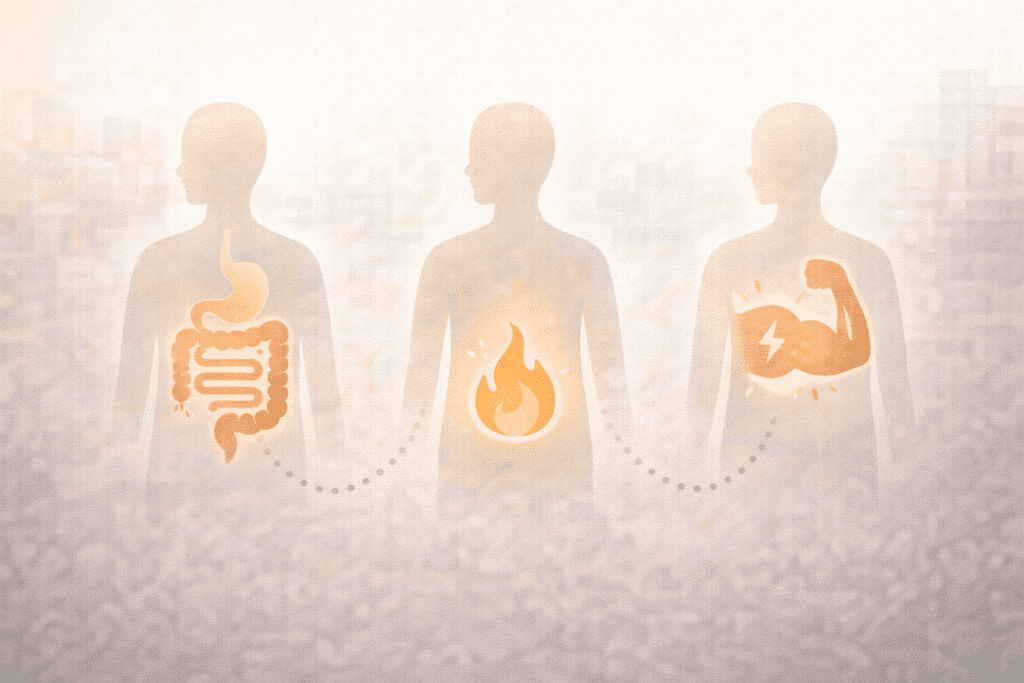
Not all foods affect the body the same way. Some foods require more effort to digest, some support muscle activity, and others help regulate blood sugar levels. Together, these factors influence how efficiently the body processes energy after 30.
Thermic Effect of Food and Energy Processing
The thermic effect of food refers to the energy your body uses to digest, absorb, and process what you eat. Protein-rich foods require more work to break down compared to refined carbs or fats. That extra work slightly increases calorie use during digestion.
This doesn’t mean food suddenly burns fat on its own. It means certain foods can help you burn more calories as part of normal digestion. Over time, those small differences can support a healthier metabolism without forcing restriction.
Protein’s Role in Maintaining Muscle Activity
Protein supports muscle mass, which matters more than most people realize after 30. Muscle tissue burns calories even at rest, so maintaining it helps prevent the gradual slowdown many adults notice.
Foods that are rich in protein don’t just support strength. They also help you feel full after meals, which can reduce unnecessary snacking. That balance supports weight management without aggressive calorie tracking.
Fiber Supporting Digestion and Blood Sugar Balance
Fiber plays a quiet but important role. Foods that are high in fiber slow digestion, helping stabilize blood sugar levels and reduce energy crashes. When blood sugar stays steadier, hunger signals tend to calm down too.
This matters because frequent spikes and crashes can make the body store more fat over time. Fiber-rich foods also support gut health, which affects how nutrients are absorbed and how the metabolism responds to meals.
Micronutrients Involved in Metabolic Pathways
Certain vitamins and minerals help enzymes do their job during energy production. Nutrient-dense foods provide these micronutrients in a form the body recognizes and uses efficiently.
That’s why nutrient-dense superfoods can support a healthy metabolism without acting like stimulants. They don’t force the body to burn more calories. They help existing systems run more smoothly.
For example, swapping a processed snack for a protein-and-fiber combo at lunch may slightly increase calorie use and reduce afternoon fatigue without changing total food intake.
Signs Your Metabolism May Need More Support
A sluggish metabolism doesn’t always show up as sudden weight gain. Often, the signs are subtle and easy to overlook.
Energy crashes between meals are common, especially in the afternoon. Digestive discomfort or bloating may appear more often than it used to. Some people notice increased hunger even when eating regular meals.
Gradual weight gain without major habit changes can also be a sign. This doesn’t mean something is “wrong.” It often means the body needs better fuel quality and more consistent support.
Superfoods vs “Magic Foods”
There’s no single food that dramatically changes metabolism. Claims that one ingredient can rev up your metabolism or trigger fat burning on its own usually ignore how the body works.
Superfoods support existing metabolic processes. They help digestion, support muscle, and improve energy use. That support only matters when it’s consistent. Eating one “perfect” food once a week won’t do much.
Consistency matters more than labels. A simple routine built around whole foods usually works better than chasing trends or rare ingredients.
8 Superfoods to Boost Metabolism
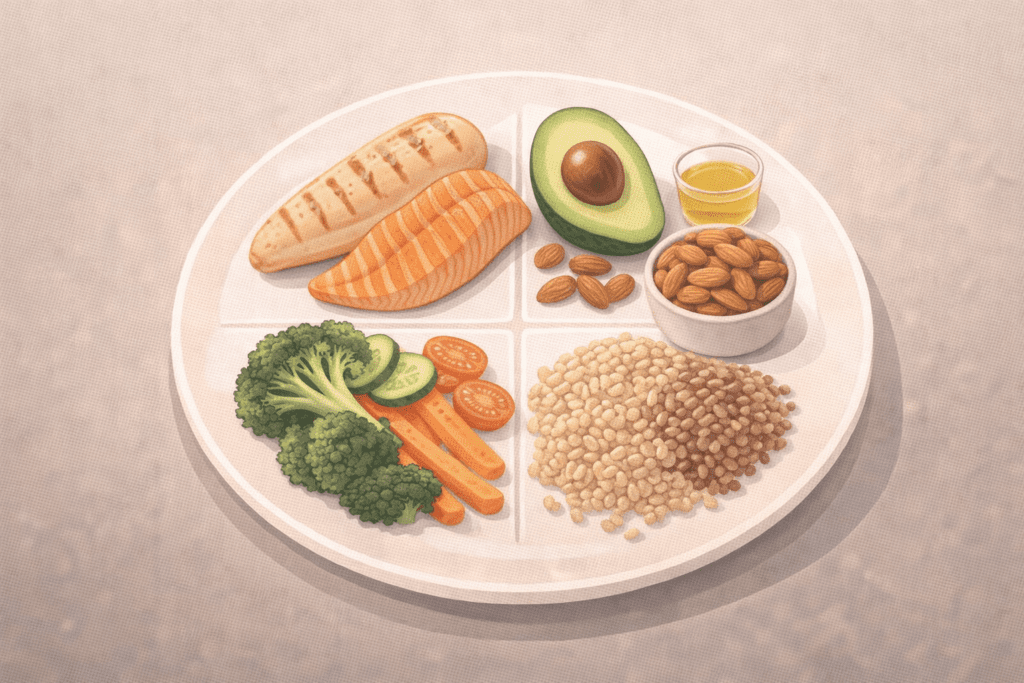
These foods don’t act like shortcuts. They support digestion, muscle activity, and steady energy, which together can help the body burn calories more efficiently over time. Think support, not stimulation.
Protein-Rich Whole Foods Supporting Muscle Maintenance
Protein-rich foods play a key role in maintaining muscle mass, which helps keep metabolism active as you age. Muscle burns calories even at rest, so protecting it matters.
Foods like eggs, fish, and lean poultry are protein-rich foods that support daily energy needs without being heavy. They also help you feel full after meals, which can reduce mindless eating later in the day.
Leafy Greens Aiding Digestion and Nutrient Density
Leafy greens are low in fat but packed with micronutrients that support metabolic pathways. They also contain fiber, which helps slow digestion and stabilize energy.
Because they’re easy to add to meals, greens are one of the simplest metabolism-boosting foods to include regularly without changing how you eat.
Fiber-Rich Fruits Supporting Appetite Regulation
Fruits that are high in fiber help regulate appetite by slowing how quickly sugar enters the bloodstream. This supports steadier blood sugar levels and fewer energy dips.
Fiber also supports digestion, which becomes more important after 30. A healthy digestive system helps the body use calories more efficiently instead of storing them as body fat.
Healthy Fats Supporting Nutrient Absorption
Healthy fats provide fatty acids that support hormone balance and nutrient absorption. While fat is calorie-dense, the right type of fat can support overall health when eaten in moderate portions.
This balance matters for weight management, especially when trying to avoid extreme restriction that can backfire.
Fermented Foods Supporting Gut Balance
Fermented foods support gut bacteria, which influence digestion and energy use. A healthier gut may help the body burn more calories during digestion and reduce bloating.
Better digestion doesn’t always show on the scale right away, but it often improves how you feel day to day.
Spices Commonly Linked to Metabolic Activity
Certain spices like chili peppers contain capsaicin, which has been linked to a slight increase in calorie use. Capsaicin has been associated with a small, temporary increase in energy use after meals, though the effect is modest.
This isn’t fat burning in the dramatic sense. It’s a small metabolic nudge that works best when combined with consistent eating habits.
Whole Grains Providing Steady Energy
Whole grains provide steady energy and support digestion because they’re less processed. They help avoid sharp blood sugar spikes that can lead to crashes and overeating.
Steadier energy helps the body use calories more evenly instead of storing excess energy as fat.
Nuts and Seeds Supporting Satiety
Nuts and seeds combine protein, fiber, and healthy fats. This mix helps you feel full and satisfied, which can support sustainable weight control without counting every calorie.
They also contain micronutrients that support metabolic health over time.
Lifestyle Factors That Influence How Superfoods Work

Food doesn’t work in isolation. The same meal can have very different effects depending on daily habits.
Meal Timing and Consistency
Eating at regular times helps regulate hunger signals. Skipping meals can slow metabolism and make the body hold onto fat.
Consistency matters more than eating perfectly.
Hydration and Digestive Efficiency
When you drink water regularly, digestion tends to work better. Even something as simple as starting the day with a glass of water can support hydration and energy use.
Water can help you burn calories during digestion, but only slightly. The bigger benefit is smoother digestion and fewer energy dips.
Sleep Quality Affecting Metabolic Response
Poor sleep affects hormones that regulate hunger and fat storage. Over time, this can lead to weight gain even when food choices don’t change.
Good sleep helps metabolism respond better to healthy foods.
Daily Movement Supporting Calorie Use
Movement doesn’t need to be intense. Walking, stretching, and light activity help the body burn calories more consistently across the day.
This supports how superfoods work rather than replacing the need for movement.
How Superfoods to Boost Metabolism Support Weight Loss
After 30, weight loss tends to respond better to support than pressure. Superfoods don’t force change. They help create conditions where the body can work more efficiently.
Superfoods to boost metabolism support consistency rather than rapid results. When meals provide steady energy, digestion improves, and hunger signals become more predictable. That makes it easier to stick with habits that support your weight loss goals.
Improved energy throughout the day is one of the first things people notice. Fewer crashes can reduce the urge to snack, which helps with calorie balance over time. These small changes may not feel dramatic, but they compound.
Over weeks, not days, this approach can support gradual fat loss and healthier body fat patterns without aggressive restriction. It’s a quieter process, but often a more sustainable one.
Practical Ways to Use Superfoods Without Overcomplicating Meals
Instead of chasing trends, focus on building balanced plates. Adding one or two nutrient-dense foods to meals you already eat works better than overhauling everything.
Rotating foods helps prevent boredom and supports a wider range of nutrients. This also reduces the risk of relying too heavily on any single food.
Digestion matters here. Some people also include gentle daily wellness support like Nagano Tonic as part of a broader lifestyle approach focused on digestion and metabolic balance, rather than relying on food alone. It’s optional and works best alongside consistent habits.
What Superfoods Don’t Do for Metabolism
Superfoods don’t override poor sleep or chronic stress. They don’t replace protein or adequate calorie intake. They don’t work instantly.
They also don’t eliminate the need for consistency. Even the best foods can’t compensate for long-term imbalance.
Common Myths About Superfoods and Metabolism
Myth: One superfood can dramatically increase metabolism
No single food can increase your metabolic rate on its own.
Myth: Superfoods cancel out poor habits
Foods that boost metabolism still rely on sleep, movement, and routine.
Myth: More superfoods means faster weight loss
Overloading meals doesn’t lead to better results and may disrupt digestion.
Myth: Supplements replace whole foods
Supplements can support routines, but they don’t replace healthy foods.
What to Expect When Adding Superfoods After 30
Energy and digestion improvements often come before visible weight changes. Reduced bloating is common early on.
Plateaus are normal. They don’t mean failure. They usually reflect the body adjusting.
Consistency matters more than perfection. Small, steady changes tend to support a healthier metabolism long term.
Before We Get to the FAQs
Food-based metabolic support takes time. Internal changes often happen before the scale moves.
Patience plays a bigger role than most people expect, especially after 30.
FAQs About Superfoods to Boost Metabolism
Do superfoods to boost metabolism really work after 30?
They can support metabolism by improving digestion, energy use, and nutrient intake, but they don’t act as quick fixes.
Which superfoods to boost metabolism are best for daily meals?
Foods rich in protein, fiber, and micronutrients tend to work best when eaten consistently.
Can superfoods increase metabolism without exercise?
They can support metabolism, but movement helps the body burn more calories overall.
How long does it take to notice changes from superfoods?
Some people notice energy or digestion changes within weeks, while weight changes take longer.
Do superfoods help with belly fat after 30?
They may help you burn fat indirectly by supporting appetite control and energy balance.
Can digestion affect how superfoods boost metabolism?
Yes. Poor digestion can limit how well nutrients are absorbed and used.
Are superfoods better than supplements for metabolism?
Whole foods provide broader health benefits. Supplements can support routines but don’t replace food.
Can poor sleep reduce the benefits of superfoods?
Yes. Sleep affects hunger hormones and energy use.
How often should superfoods be eaten for best results?
Regular inclusion matters more than frequency or quantity.
Are superfoods enough for healthy weight loss after 30?
They support weight loss, but habits like sleep, hydration, and movement still matter.
Important Note on Nutrition and Individual Needs
This content is for educational purposes only. Nutritional needs vary between individuals, and professional guidance may help with specific concerns.

One Last Thought
Superfoods can be a helpful addition to a healthy routine, but superfoods to boost metabolism work best when paired with steady habits, good sleep, and realistic expectations. After 30, steady support tends to outperform quick fixes every time.